Free
Here’s the problem: How do you turn a 4-foot clay model into a 151-foot statue?
The answer: Very slowly and carefully.
Pointing Up

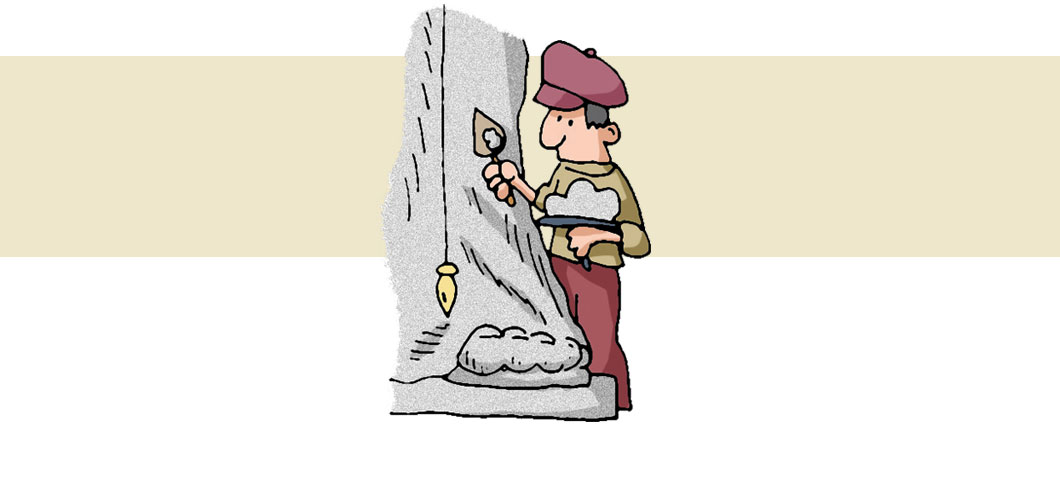
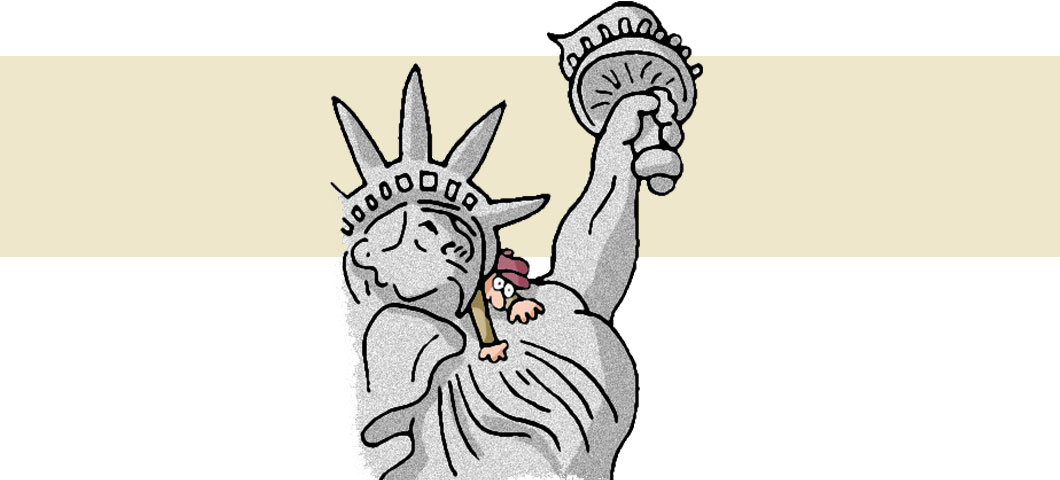
Here’s how it was done:
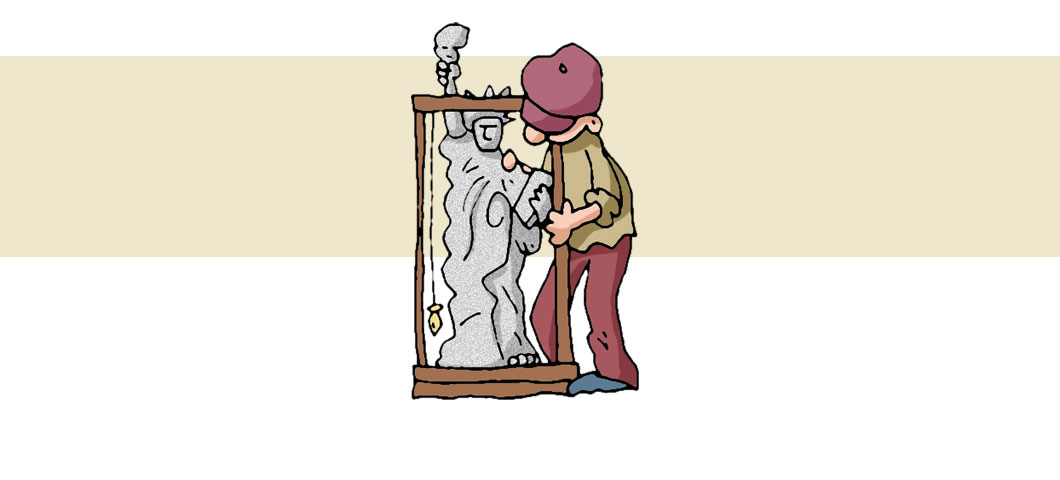
A wooden framework was built around a model, which had been marked with a grid of points. The height, width, and depth of each point were measured from the framework.
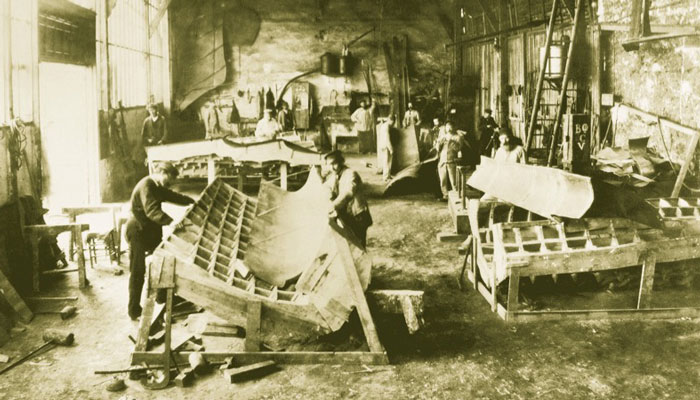
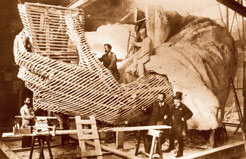
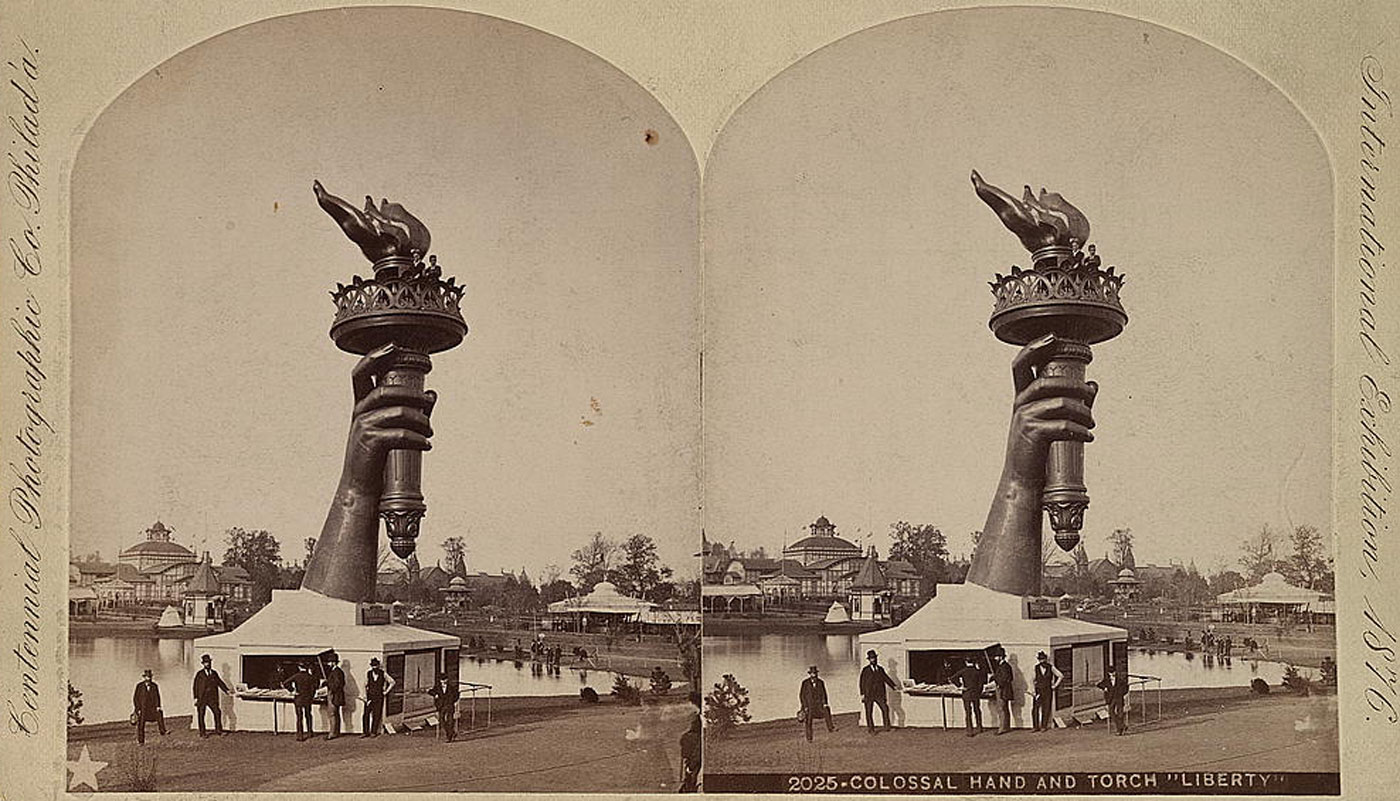
▲ Here workers are constructing the final wood-and-plaster model of Liberty’s hand.
Repoussé
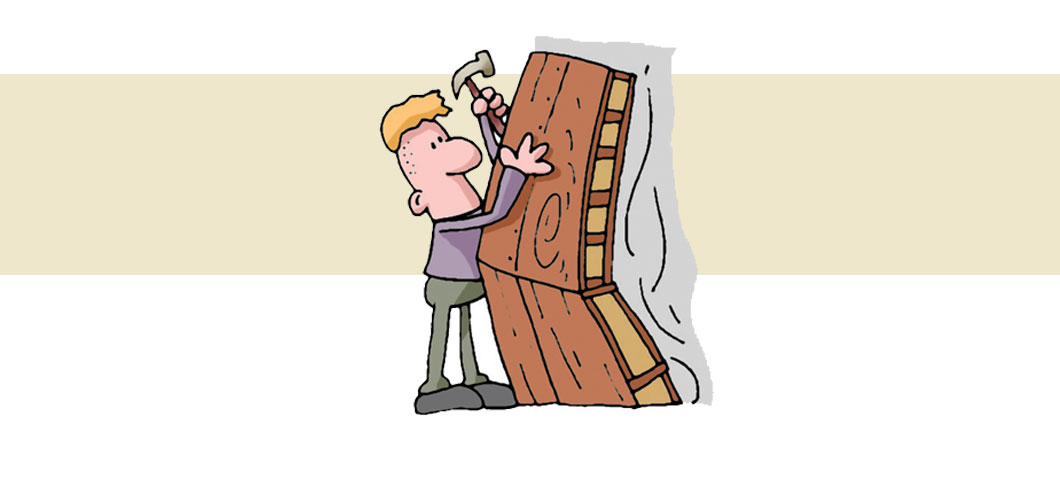
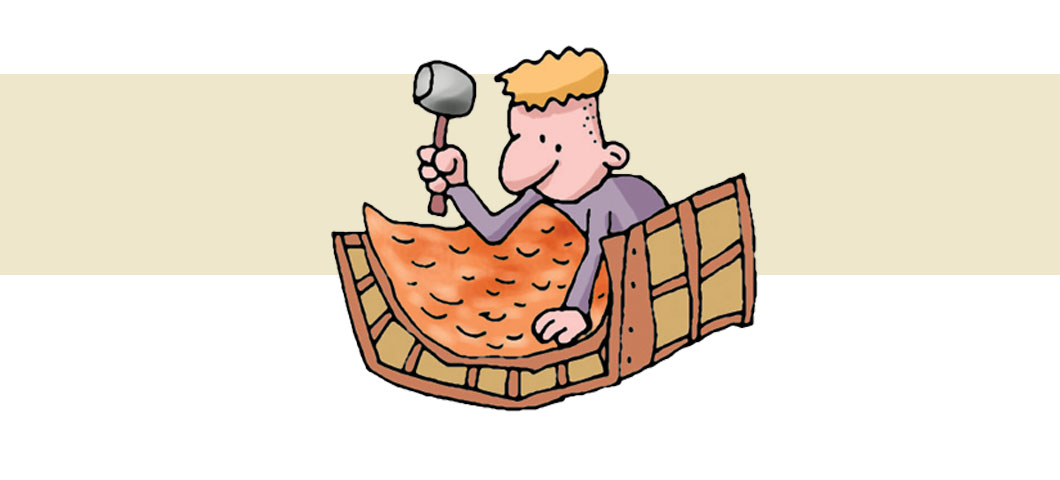
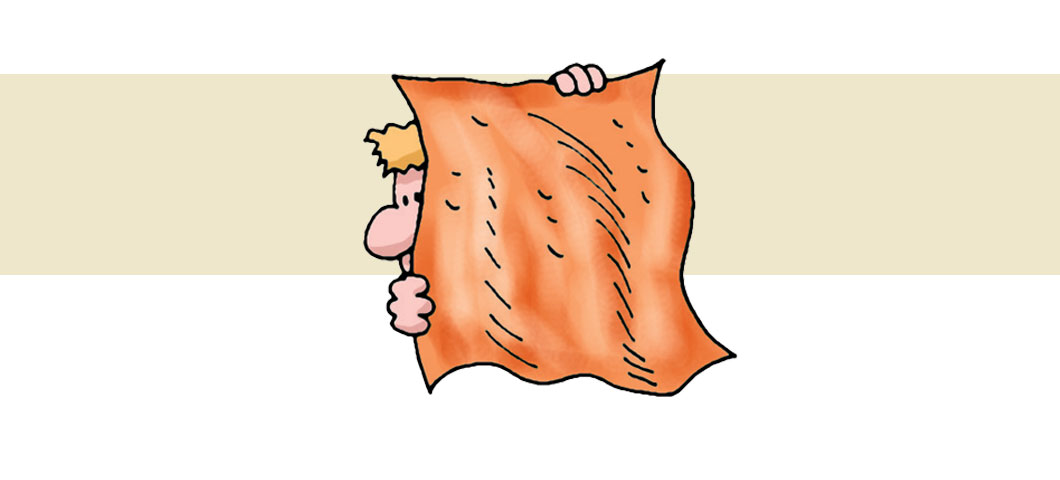
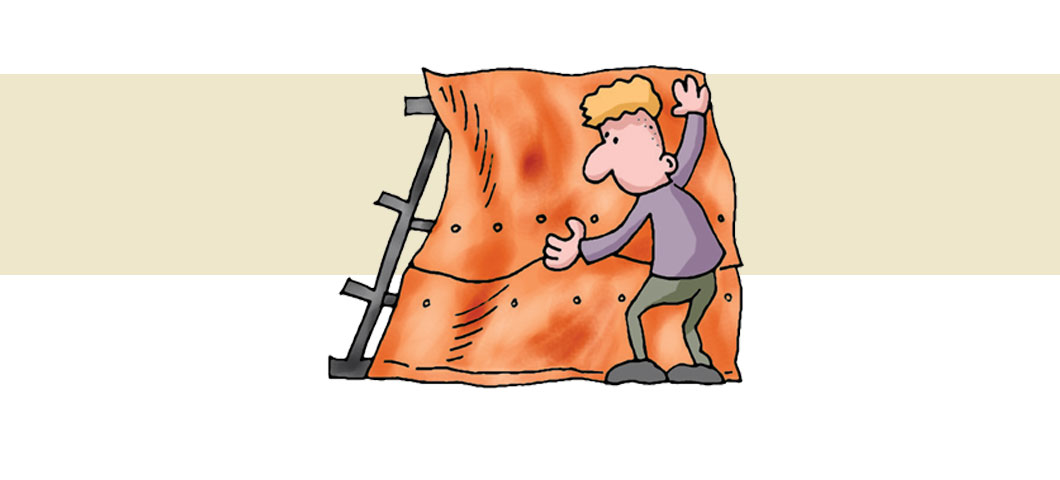
Once the full-size model was complete:
Workers built wooden forms that followed the contours of the plaster pieces exactly.
Skeleton
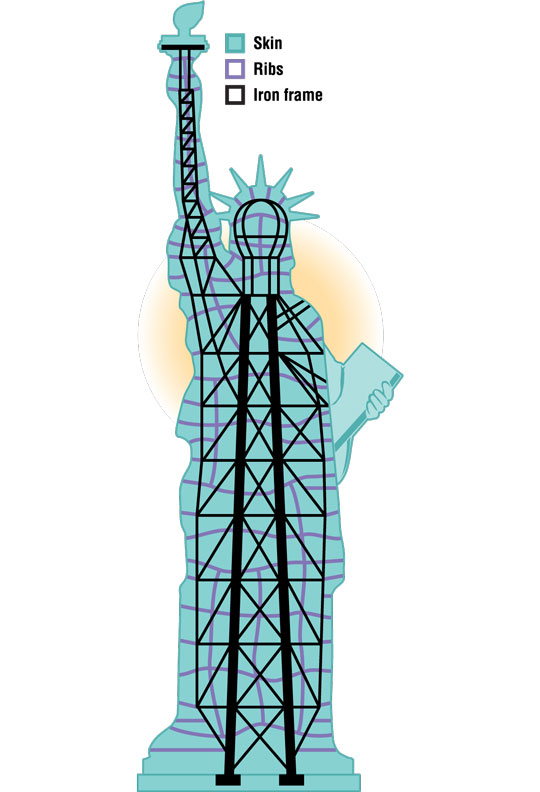
Here’s how the skeleton, or main support, was built:
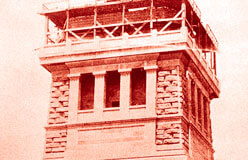
Workers made a central tower of four vertical iron beams. These four beams were held together by vertical and horizontal iron bars.
Hundreds of diagonal iron bars were extended from the tower. These bars were attached to a network of iron “ribs” that were bent to follow the shape of the statue’s inner surface.
Workers then riveted these ribs to the inside of Liberty’s copper “skin.” ▶
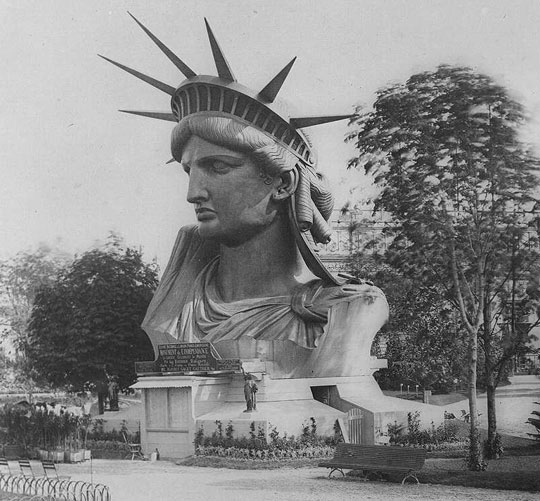
The second part of the statue to be built was Liberty’s head and crown. When these were completed in 1878, they were led in a parade through the streets of Paris. Then they were exhibited at the Paris World’s Fair, where thousands of people climbed 36 steps to look out the windows of Liberty’s crown. ▶
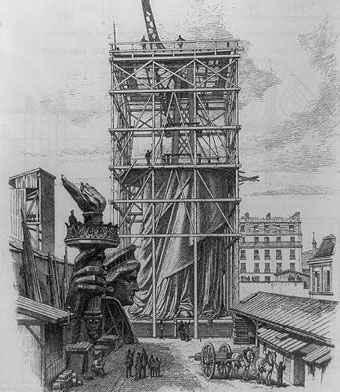
◀ In 1883, workmen began building the iron skeleton outside of Bartholdi’s warehouse. They started with Liberty’s feet, and the statue rose higher and higher. As the men worked their way up her body, they built scaffolding that rose along with the statue.