
Free
Intelligent people are known to ask a lot of questions. Could it be that’s why owls are thought to be especially intelligent? After all, a common sound they make seems to ask a question, “Hooooo? Hooooo?”
Owls – over 200 different kinds of them – live on all the continents except Antarctica. They inhabit grasslands and forests, deserts and cities. Even the Arctic tundra. Most are nocturnal. That means they sleep during the day and are active at night. A few types are active at dusk and dawn. Still others are diurnal. They’re active only during the day.
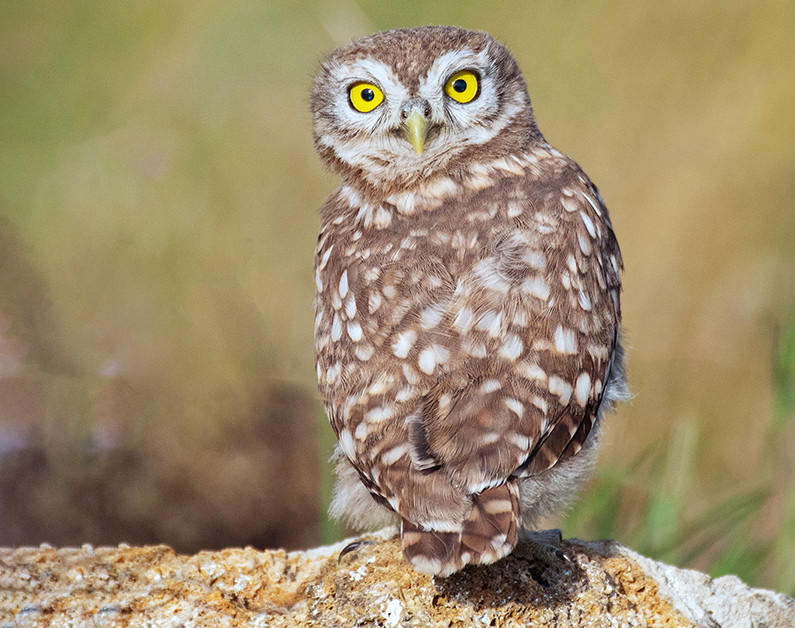
We humans can look to the right or left without moving our head. That’s because we can move our eyes. Owls can’t do that. Their eyes are fixed in place. They have to turn their head to see what’s around them. Unlike humans, owls can turn their head more than halfway around! ▶
Loading the player...
▲ Owls have different ways of hunting. Most hunt close to the ground so they can hear and see their prey easily. Some perch on a branch. When they see a meal, they swoop down on it. Others hover like a helicopter over their prey before zooming in. Still others chase their prey on the ground.
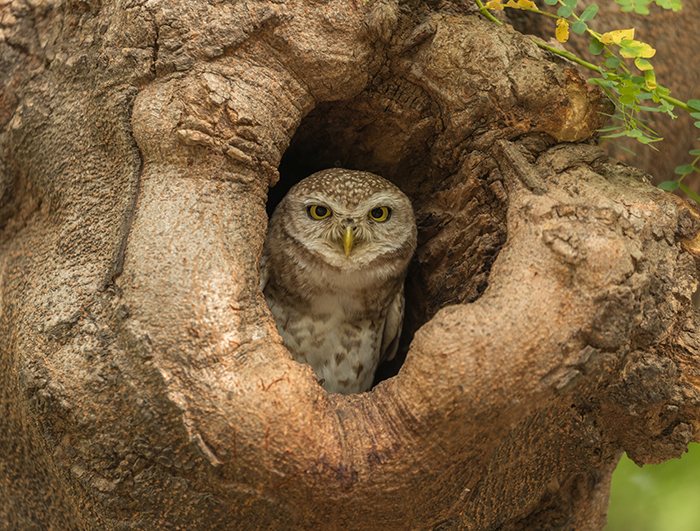
▲ Owls are not great nest-builders. Some take over nests left by hawks or other birds. Desert owls may use the hole in a saguaro cactus made by a woodpecker. Still others may inhabit an underground tunnel dug by a prairie dog. Or use their feet and bills to dig a nest.
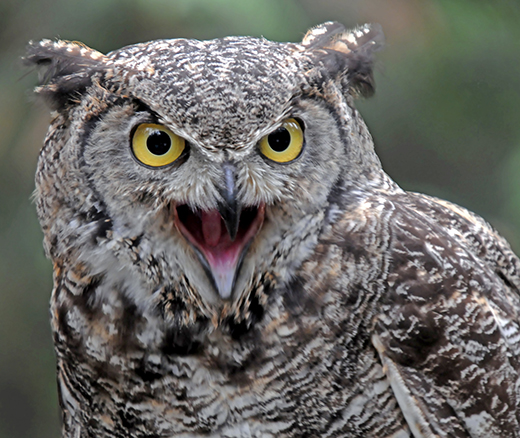
◀ Owls may be famous for their “hooooo-ing,” but that’s not the only sound they make. Some kinds of owls make a whinnying sound like a horse. Or a hissing sound when they feel threatened. Still others say, “toot-toot-toot.” The barking owl makes a “woof-woof” sound. A barn owl shrieks to scare away enemies.
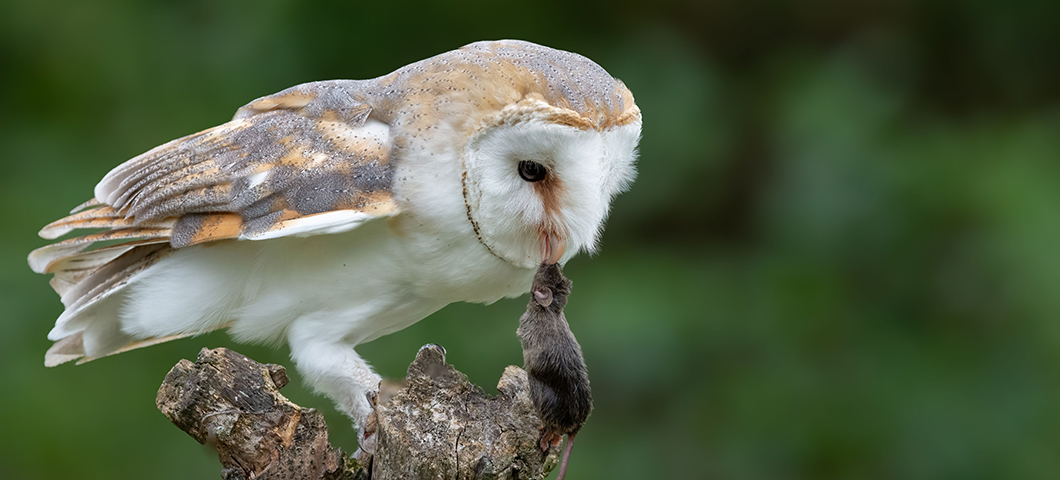
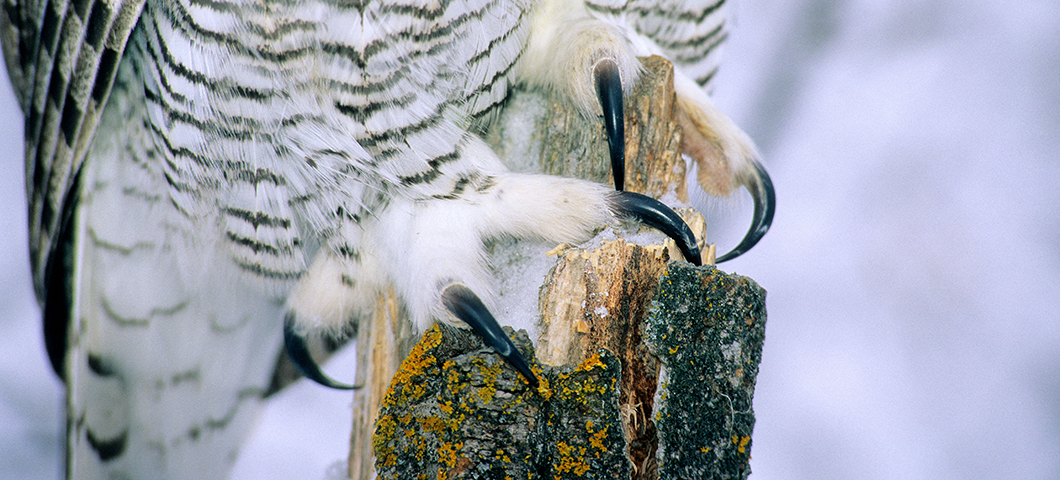
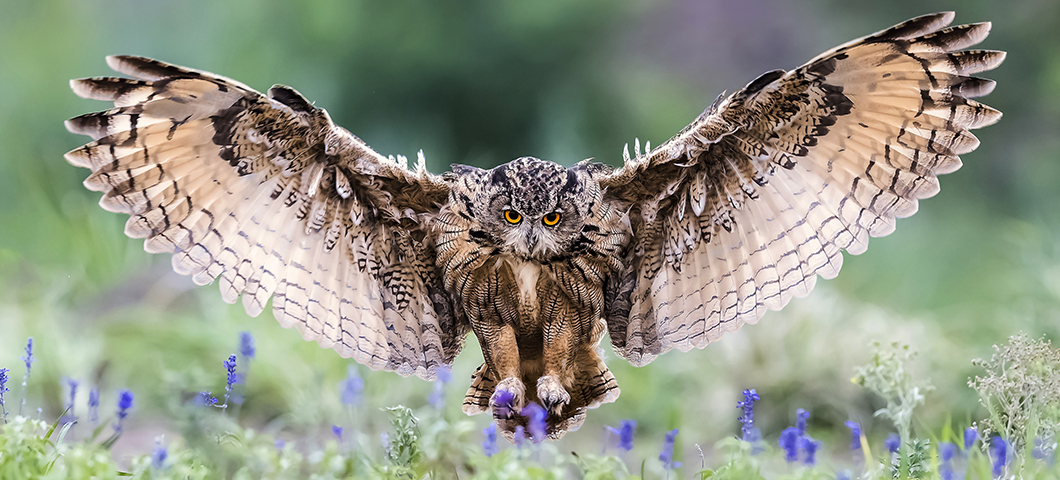
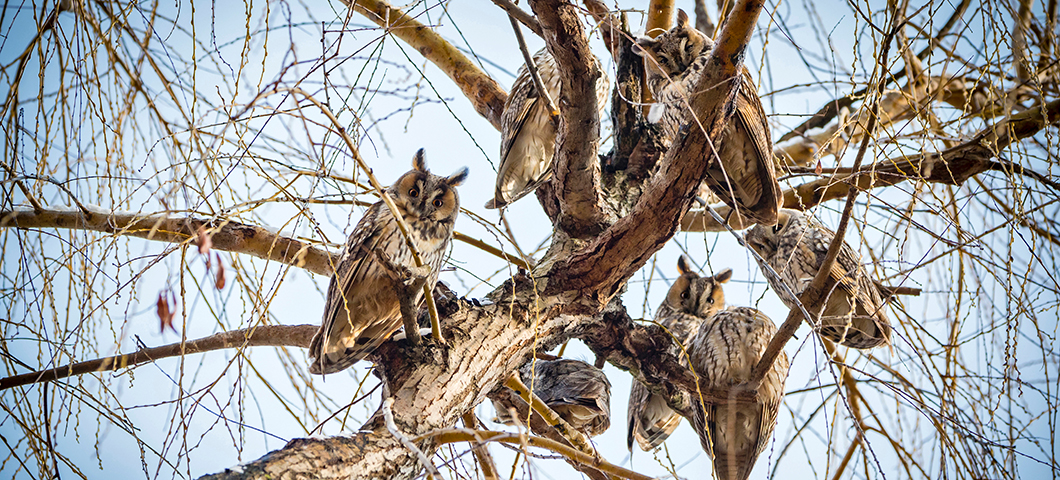

Owls are raptors, or meat-eating birds. Their main diet is small animals like mice and rats. But they’ll also dine on insects, snakes, lizards, frogs, and fish.
Check It Out!
What do people of different cultures think of owls?
In ancient Greece, owls were thought to bring victory if seen by soldiers before a battle. In Japanese culture, owls are thought to protect people from suffering. Members of the Zuni tribe of the American Southwest may put an owl feather next to a baby to bring on sleep. In other cultures, owls are connected to disasters and death.
