
Free
You may have heard someone refer to lions as the “king of the jungle.” The truth is that lions don’t live in the jungle at all!
These huge members of the cat family live mostly in grasslands and among the low trees and bushes of scrublands. A small group of lions lives in a forest in India, definitely not a jungle. All the rest live in Africa – mostly in open plains and mountain areas. You won’t find them anywhere near a jungle.
Check It Out!
How did lions come to be called king of the jungle?
Hindi is a language spoken in India. In Hindi, the word jangal means “forest” or “wilderness.” It describes an area that is nearly a desert. English “borrowed” the word, and it became jungle, which has a totally different meaning from the Hindi word. Lions probably got the name king of the jungle because of their size and strength.
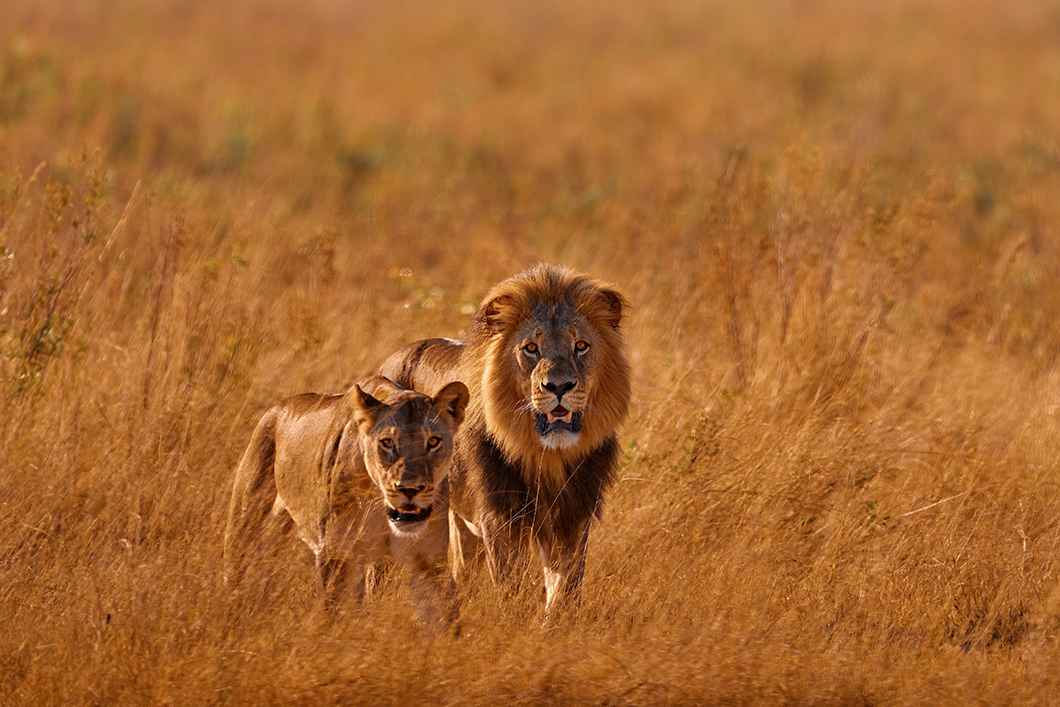
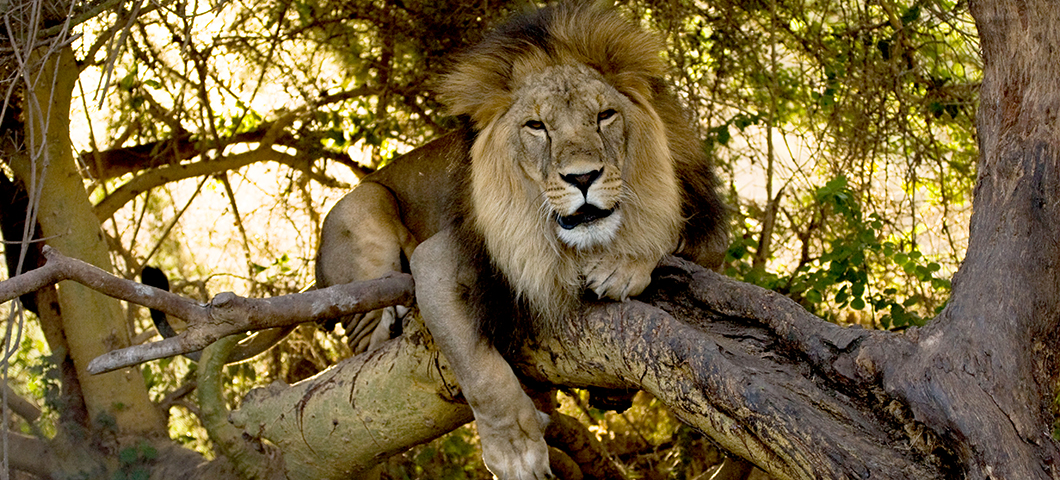
▲ When standing on all fours, lions may be as tall as you. They may weigh two or three times as much as you. Their shoulders and front legs are extremely strong. Great for hunting and catching prey. Male lions are the only cats with manes, which may cover their head, neck, and throat. Some kinds of lions have no mane at all.
Loading the player...
▲ Lions are the only cats that live in a group, or pride. Usually all the females in a pride are part of the same family. They may be mothers, sisters, grandmothers, or daughters. They hunt together. They defend their territory together. And they raise their young together. Male lions help defend the pride.
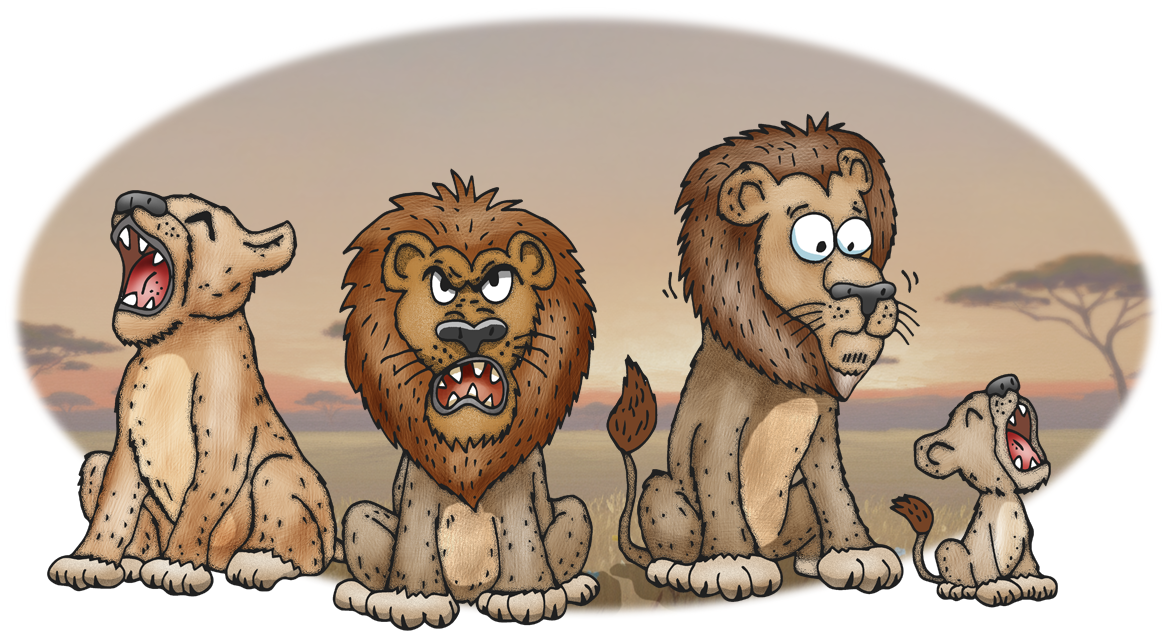
▲ Researchers believe lions are the only cats that roar together as a group. Males, females, and even the young join in. Their roar, the loudest of all the big cats, can be heard five miles away. The purpose of roaring is to identify their territory and communicate with members of other prides.
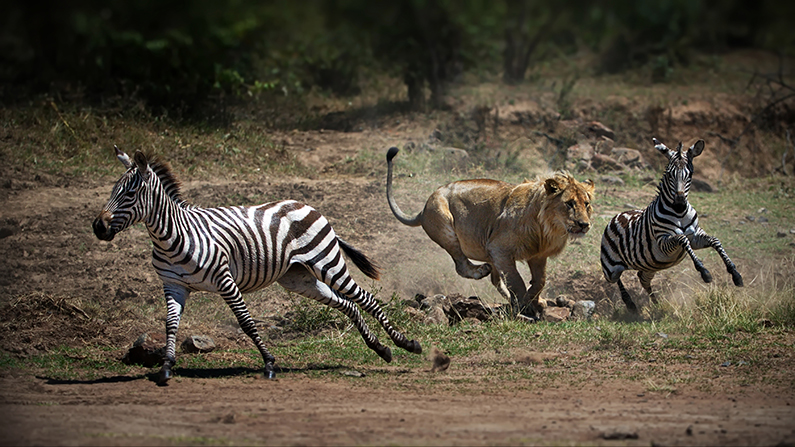
The females in a pride work together to hunt for food, often at night. They’re fast runners, but they get tired quickly. Instead of long chases, they surround what looks like a tasty meal and then burst into a full run to chase it down. A zebra or antelope may feed the pride for three or four days. ▶
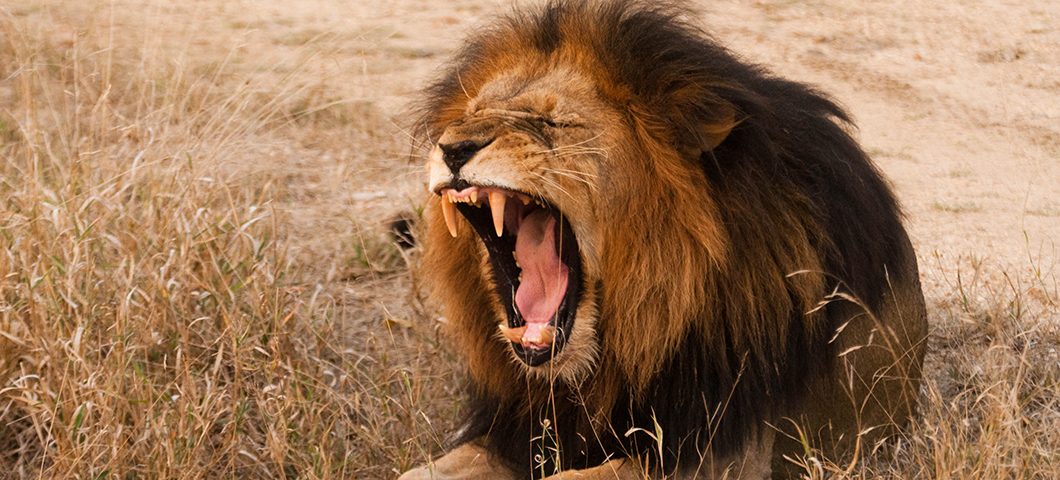
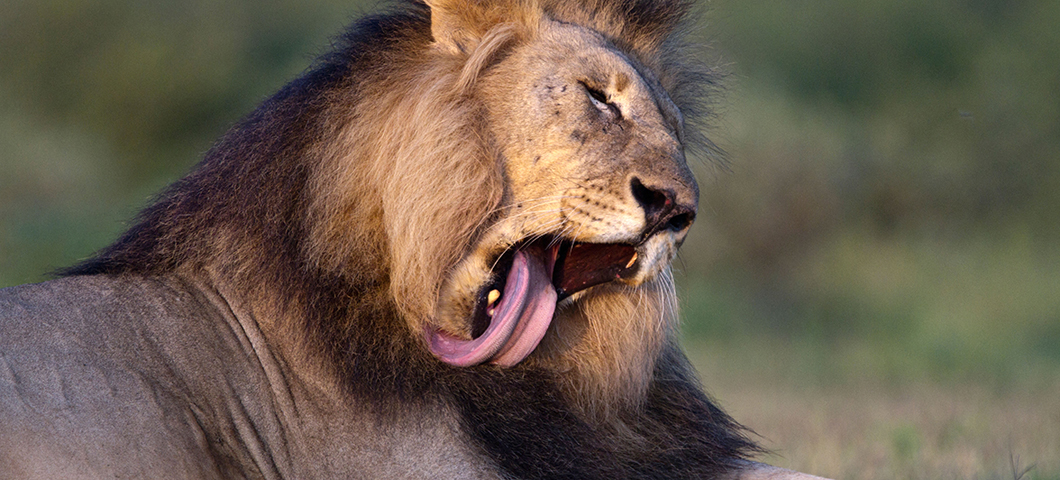
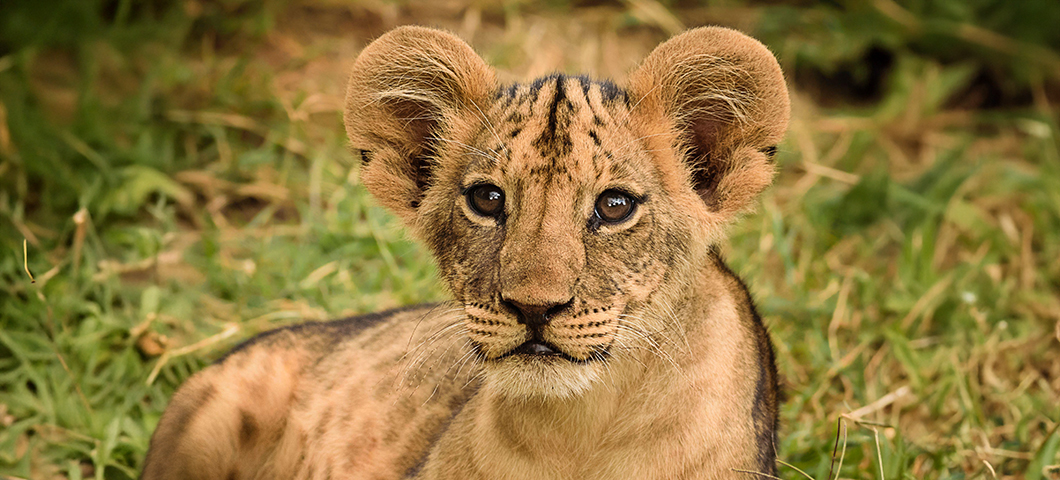
At about one year old, a lion’s mane starts to grow. Its light color changes to dark brown or black with age.
