
Free
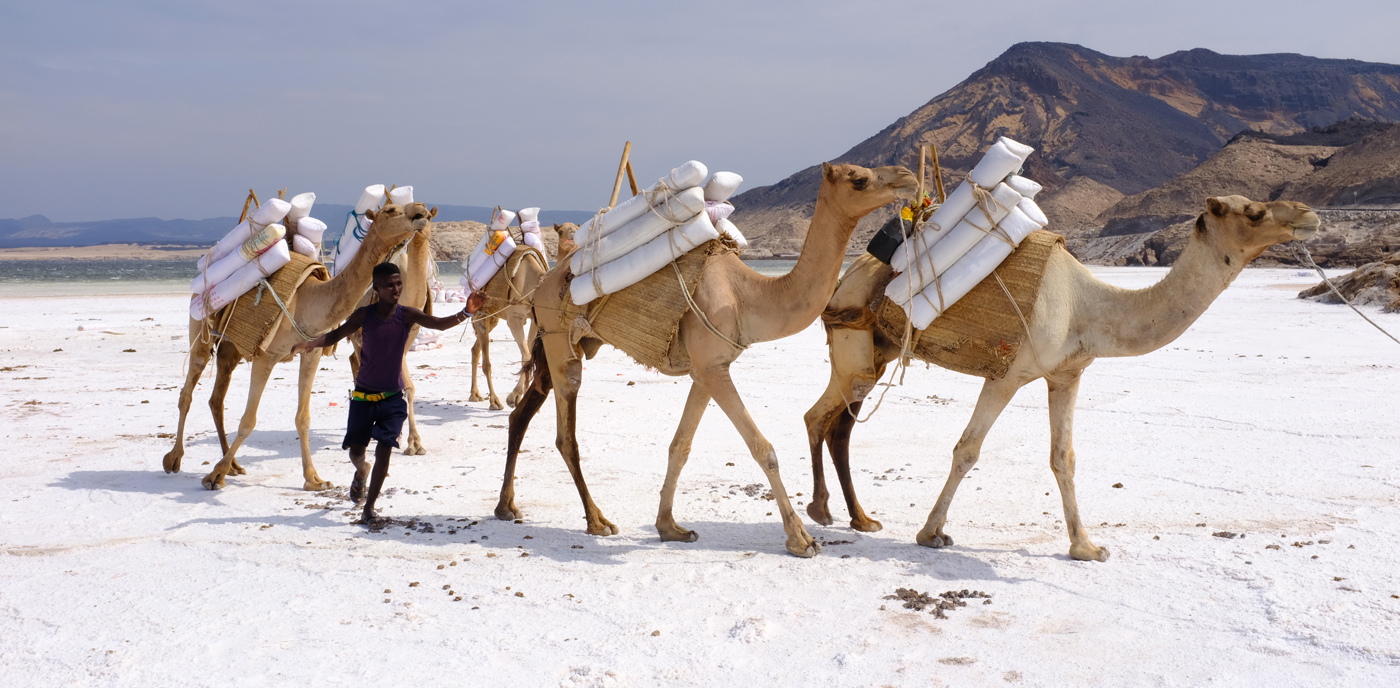
Camels are known as ships of the desert. And it’s no wonder. They travel across the sand just as ships travel across the sea. And like ships, they carry people and heavy loads.
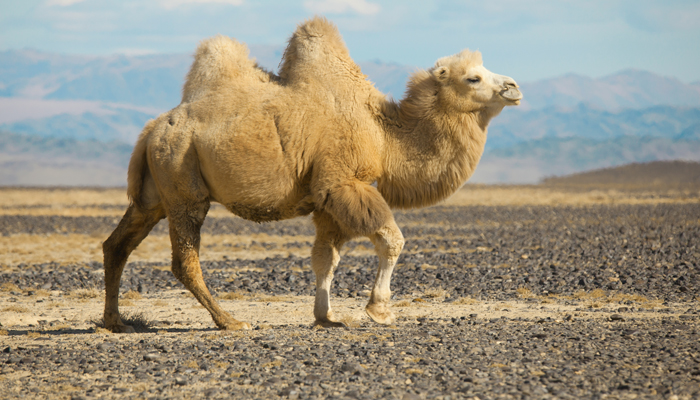
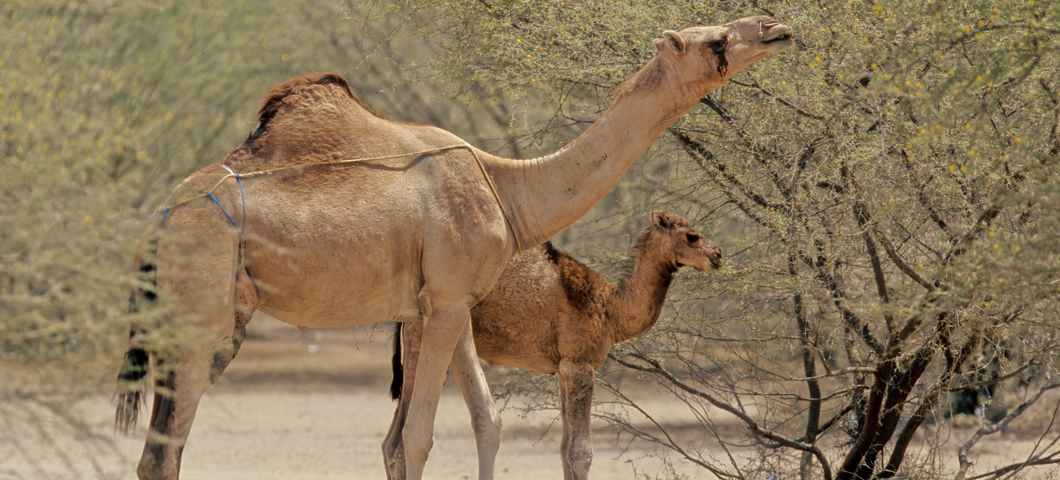
These “ships” are known for their hump, though they aren’t born with them. Camels’ humps start to develop when they’re between six months and a year old. Some camels have one hump. These are dromedary camels, found in the deserts of North Africa and the Middle East. Others have two humps. These are Bactrian camels, from the Gobi Desert in China and Mongolia.
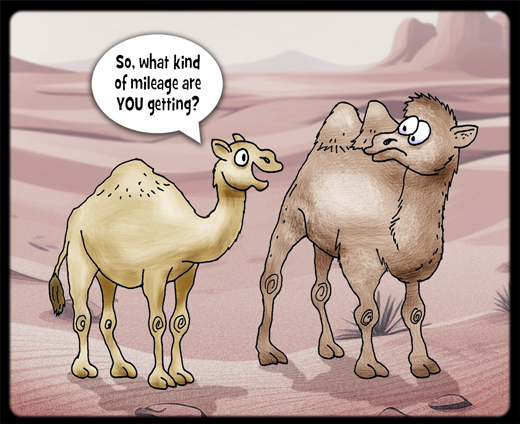
◀ Camels can travel up to 100 miles without water. Their humps are life-savers. That’s because the humps store fat. Up to 80 pounds of it. If needed, the camel’s body can break down the fat and use it for energy and water. When water becomes available, camels can’t get enough of it.
Bactrian camels grow a thick, woolly coat for the winter while dromedary camels do not. Their coat is coarse and short all year round. Both kinds of coats act as protection from the hot sun. As a result, camels almost never sweat. Not even if the temperature goes up to 120°F. ▶
Check It Out!
Why don’t camels get sand in their eyes?
Like you, camels have an upper eyelid and a lower eyelid. Both lids have long, thick eyelashes to protect their eyes from sand. They also have a third eyelid. This one moves from side to side to brush sand away. (Think of a windshield wiper.) The third eyelid is very thin so the camel can see through it.
Loading the player...
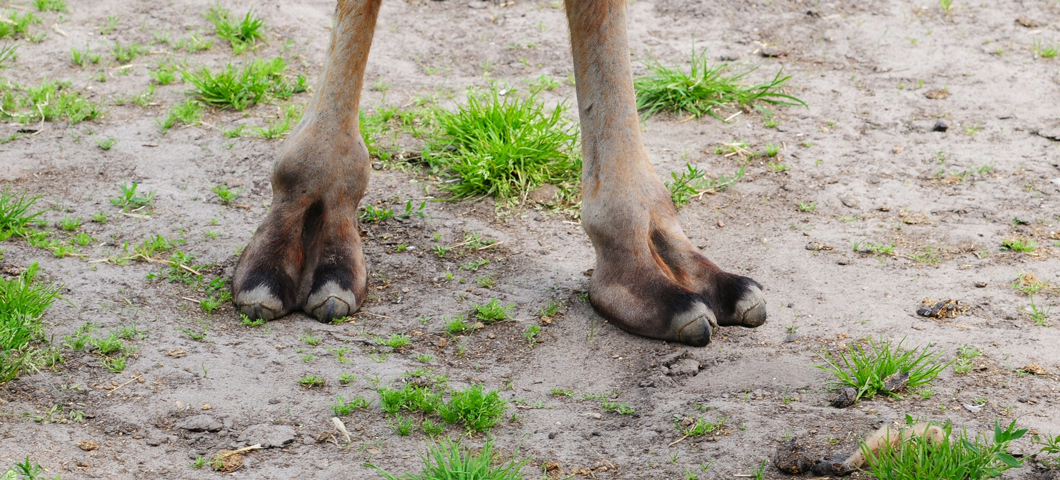
▲ Camels walk with a pacing motion. That means that the legs on one side of their body both step at the same time. This way of walking works well on flat ground, like the desert. Camels are best suited to walk slowly, three to four miles per hour. But they can gallop at 40 mph for short distances.
Suited for Sand
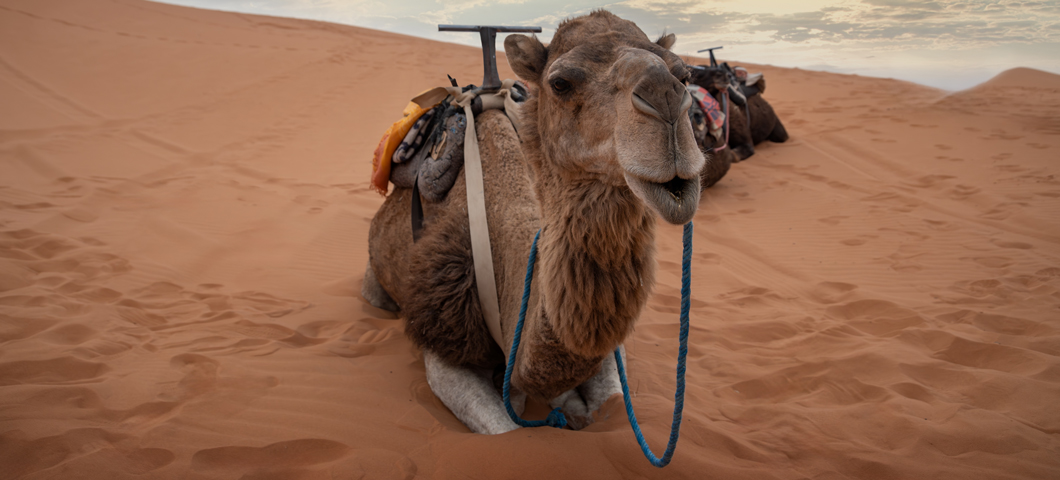
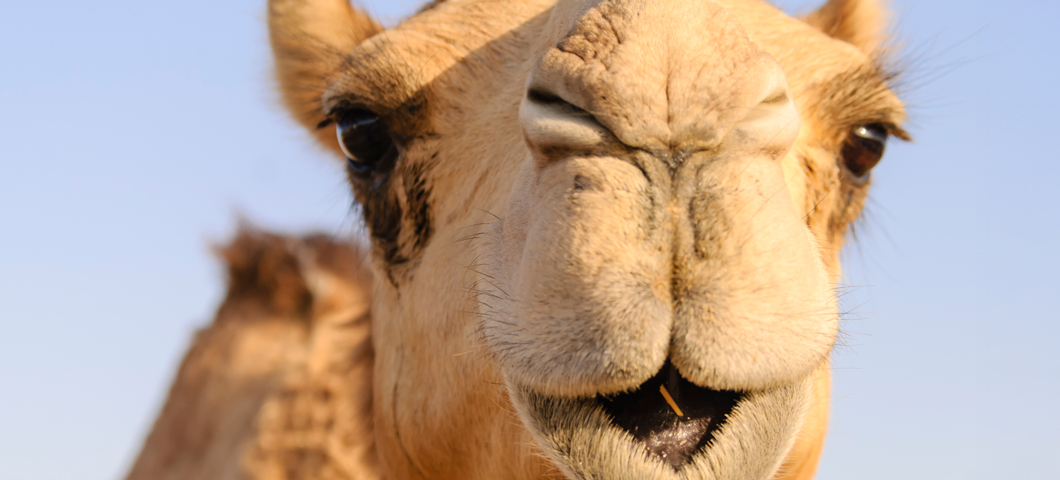
Camels’ nostrils are narrow slits instead of wide openings like ours. Luckily, they can close their nostrils partly or completely to keep sand out.
