Free
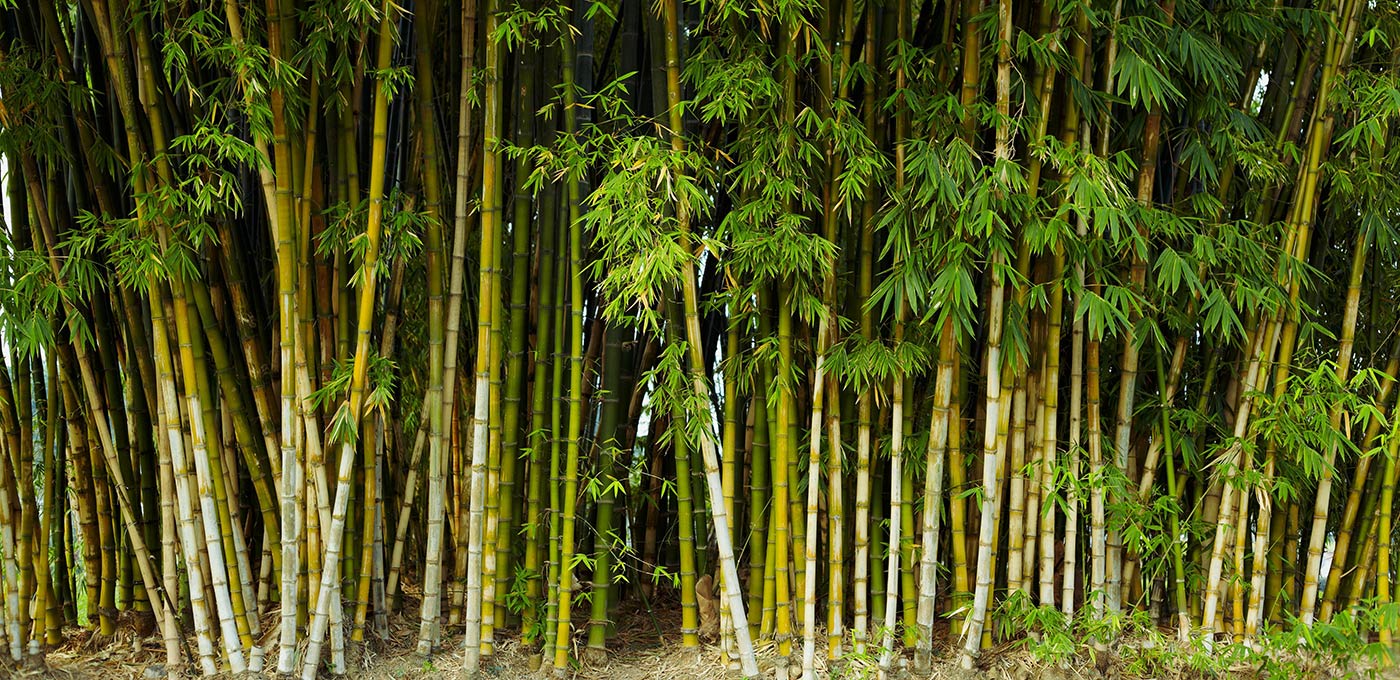
Over millions of years, plants have adapted (changed) to help them survive on almost every part of our planet.
Some adaptations help to keep the plant safe from animals. Others help the plant meet its need for water, sunlight, or nutrients. Many help ensure that seeds survive to germinate (sprout) and become new plants.
Meat-eating Plant
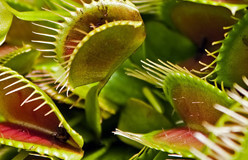
When an insect lands on a pair of its jawlike leaves, the Venus’s-flytrap closes up, trapping the unfortunate bug. The flytrap’s digestive juices dissolve the insect, turning it into a high-protein meal for the plant.
Loading the player...
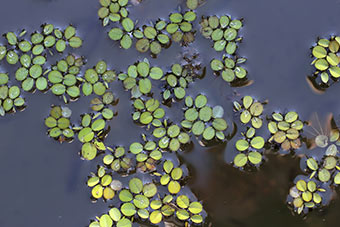
Smallest Plant
A bouquet of a dozen wolffia, also called duckweed, will fit on the head of a pin. These tiny aquatic plants look like grains of green sand floating on water.
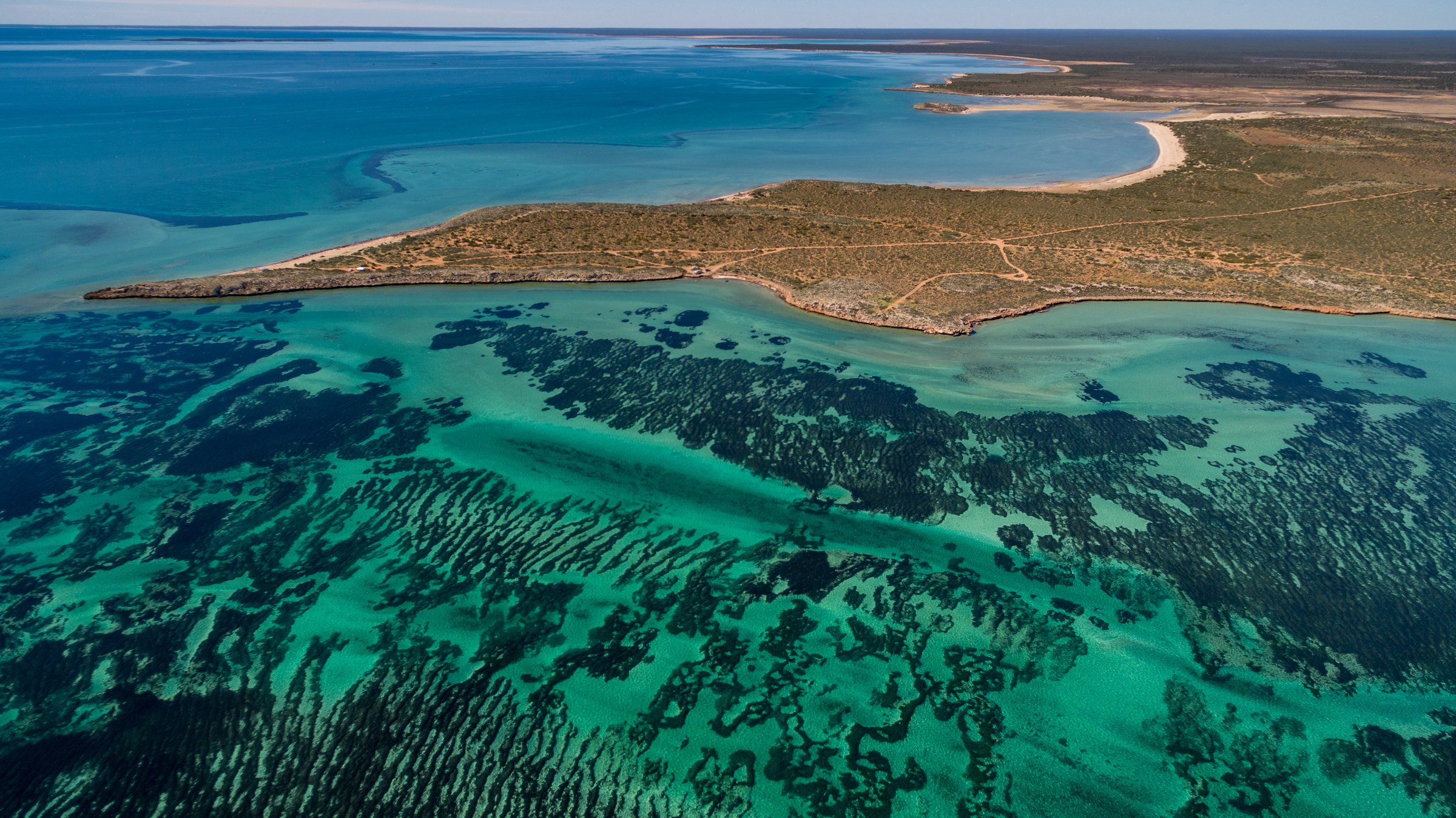
▲ Imagine a single plant the size of about 20,000 soccer fields. It may sound like something from science fiction, but it’s not. Called Poseidon’s ribbon weed, scientists have recently discovered that one plant of this seagrass covers the ocean floor off the western coast of Australia in an area known as Shark Bay. It is the largest-known single plant on Earth. According to scientists, this one plant has been growing by cloning itself for 4,500 years. In other words, it’s been growing since the Bronze Age. Cloning is creating an exact copy of a cell or a whole living thing. The Poseidon ribbon weed does this by sprouting new shoots off its roots. In spite of the plant’s longevity, scientists question whether it can survive a changing climate.
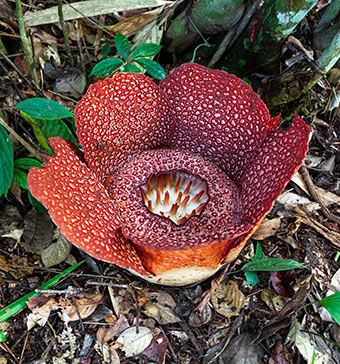
Biggest Flower
At three feet across, the rafflesia is the world’s biggest flower, weighing in at about 20 pounds. The flower grows inside the roots of climbing vines in the rain forests of Indonesia. At first, it looks like a small dark bump. After almost a year, a flower that looks and smells like rotten meat develops. The smell attracts flies that carry the flower’s pollen to nearby plants, where seeds can develop to make new rafflesia plants.
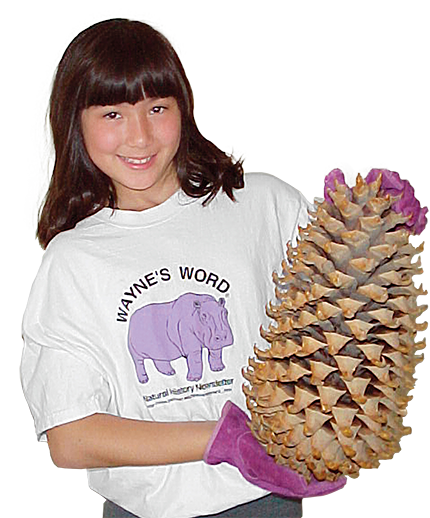
Biggest Pine Cone
There are approximately 100 species of pine trees in the world, but none has a cone as massive as California’s coulter pine. These cones are the size and weight of a very large pineapple.
Exploding Plant
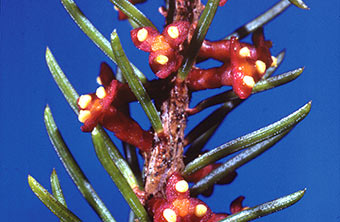
Most of the world’s plants reproduce by means of seeds. But not many of them launch their seeds the way the dwarf mistletoe does. In order to get the job done, this tiny plant has pods that explode, sending seeds as far as 15 yards at more than 60 miles an hour.
Seeds of Life
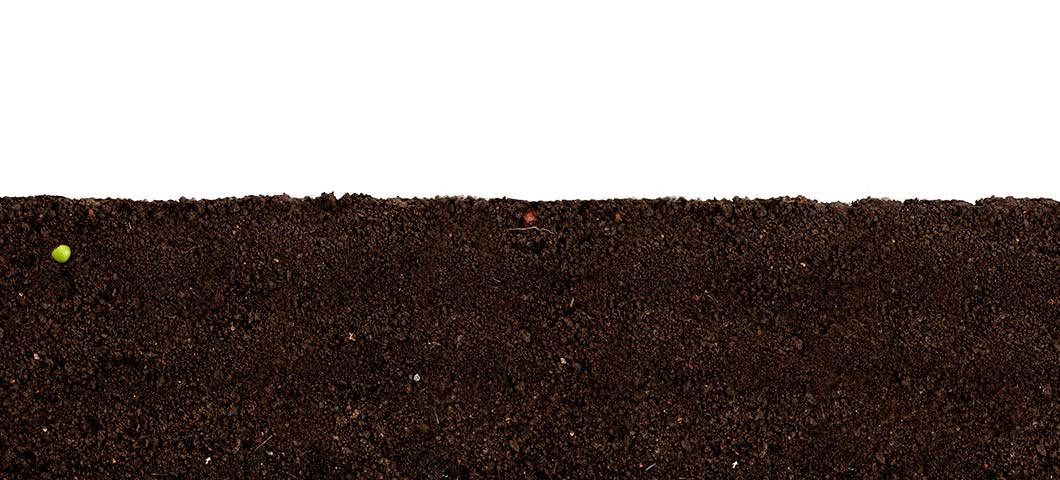
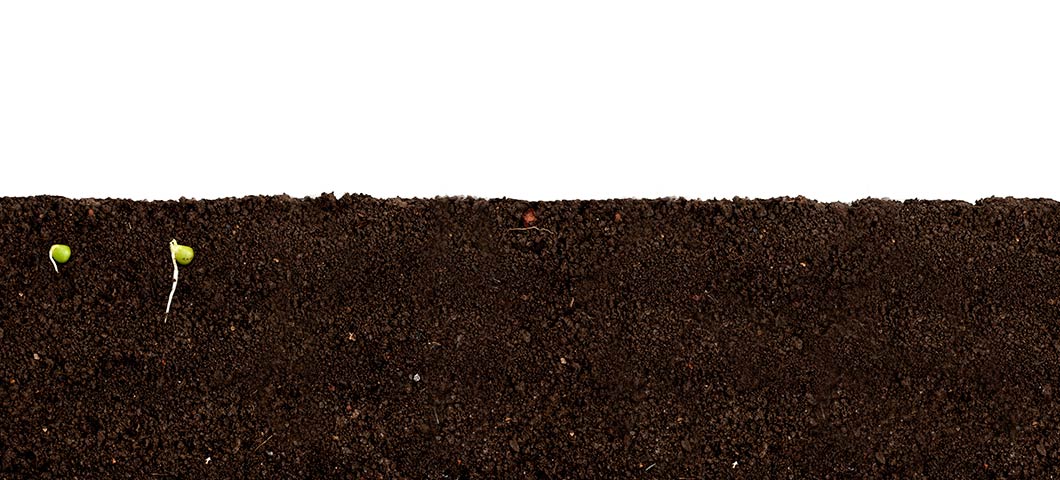
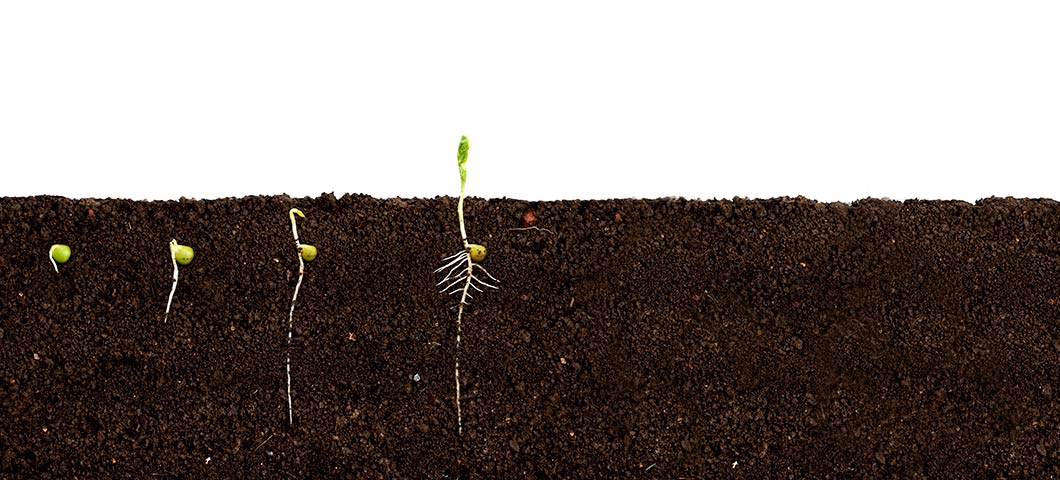
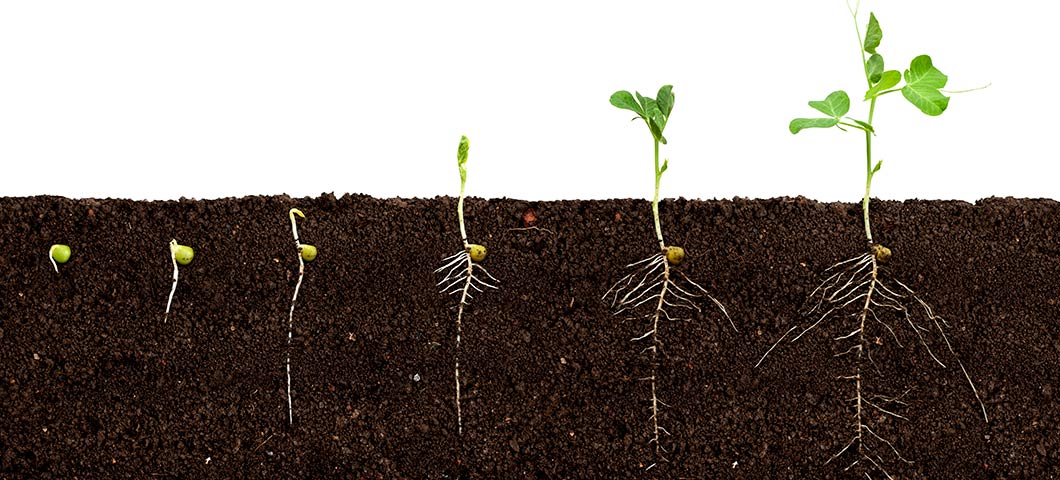
Most of Earth’s plants reproduce by means of seeds. The seeds of some plants, such as tomatoes and oranges, grow within a fleshy fruit. The seeds of evergreens develop in cones. All seeds have the same three parts: an embryo (young plant), stored food, and a seed coat. The seed coat protects the embryo and stored food until conditions are right for germination. The right conditions include air, warmth, and moisture.