Free
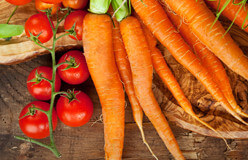
Think about that cotton shirt in your closet. The luscious berries on your breakfast cereal. The crisp carrots in your lunch. If there were no plants in the world, none of these things would exist.
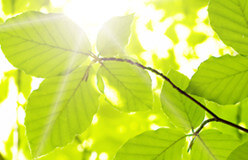
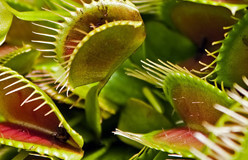
Plants range in type and size from microscopic, water-based algae to enormous sequoia trees. Technically speaking, plants are living things that capture and use the Sun’s energy to synthesize their own food. Come discover some of the more than 350,000 species, or kinds, of plants and see how important they are.
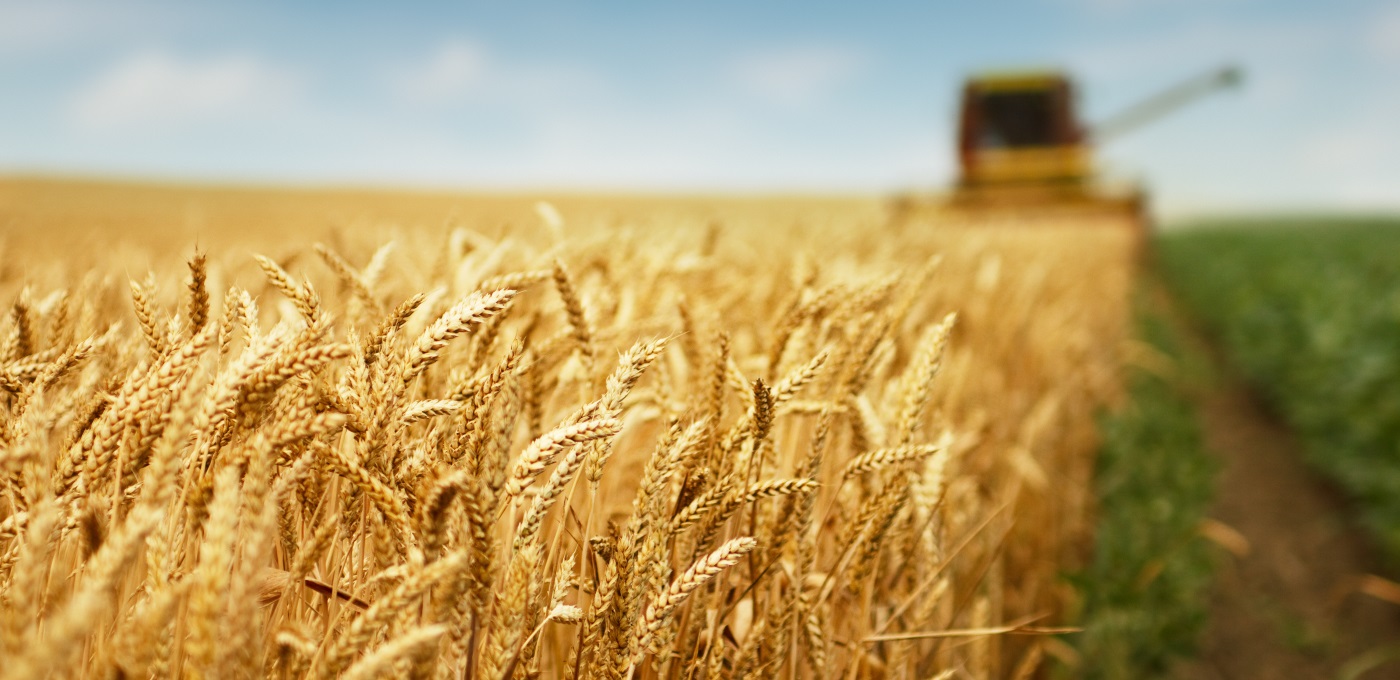
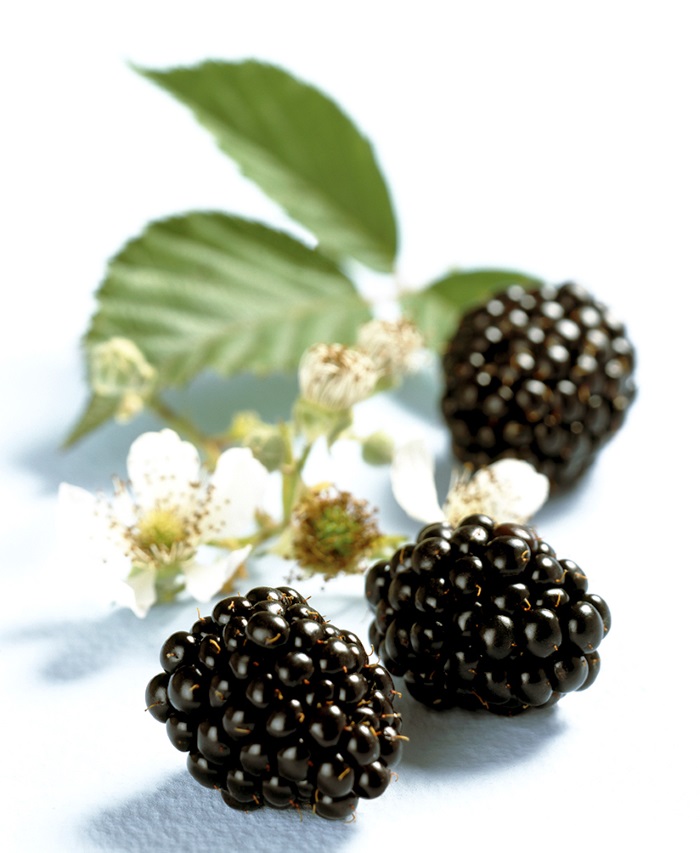
◀ The fruits and vegetables we eat are different parts of plants.
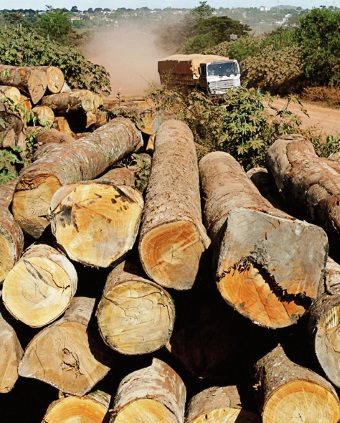
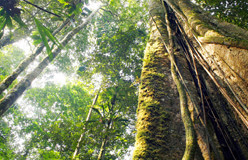
▲ Each year, logs from millions of trees around the world are cut into lumber and used for all kinds of construction, as well as in products from baseball bats to pencils.
Botanists—scientists who study plants—usually divide plants into two groups.
Plants with Roots, Stems, and Leaves
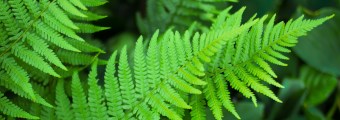
Fern
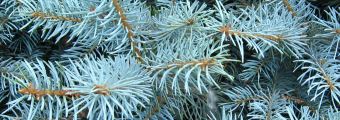
Blue Spruce
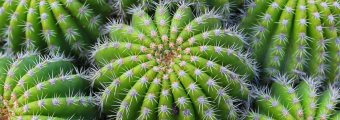
Cactus
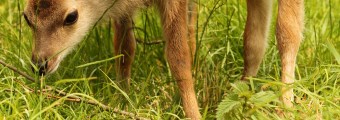
Grass
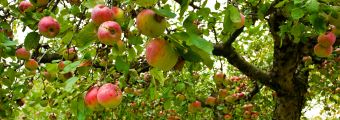
Apple Tree
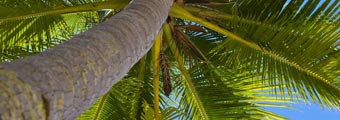
Palm Tree
Plants without Roots, Stems, or Leaves
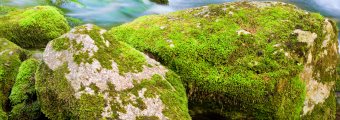
Moss
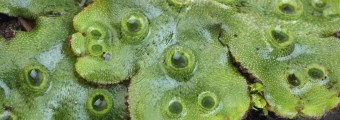
Liverwort
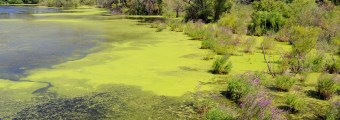
Green Algae
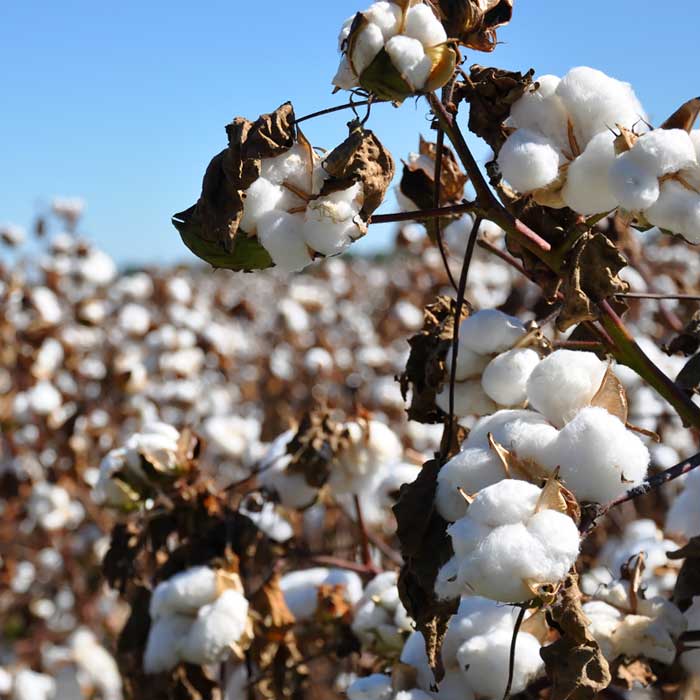
◀ Almost every part of a cotton plant is used, starting with the fluffy white fiber, which is spun into thread. The seeds are covered with short fibers called linters, which are used in making items from mops to explosives. Machines crush the seeds to squeeze out the oil for a variety of food items.
Check It Out!
Which in each pair is a plant?
1) Spearmint or mold
2) Maple tree or mushroom
3) Oats or mildew
Spearmint, maple tree, and oats