Free
Look around. An electric light probably illuminates the room you’re in. Perhaps the space contains a chair or a desk. Maybe there’s a laptop or tablet in view.
If you’re at home in the kitchen, you may see a box of juice on the counter. If the TV is on, you might see images and hear voices or music. These are things most of us take for granted. But all these things — every single one of them — is the solution to a problem and the end product of the engineering process.
The evolution of light bulbs is an example of the design process at work. First came the incandescent bulb, an electrical engineering answer to candles and kerosene lamps. Incandescent bulbs gave off lots of light, but they used lots of energy, too. In response, engineers developed fluorescent bulbs. These bulbs lasted a long time and used less energy. But they gave off a bluish light, which consumers didn’t like. The engineers’ response? A whole new technology — light-emitting diodes. LED bulbs give off a warm light. They’re also energy efficient and long lasting. Problem solved. ▼
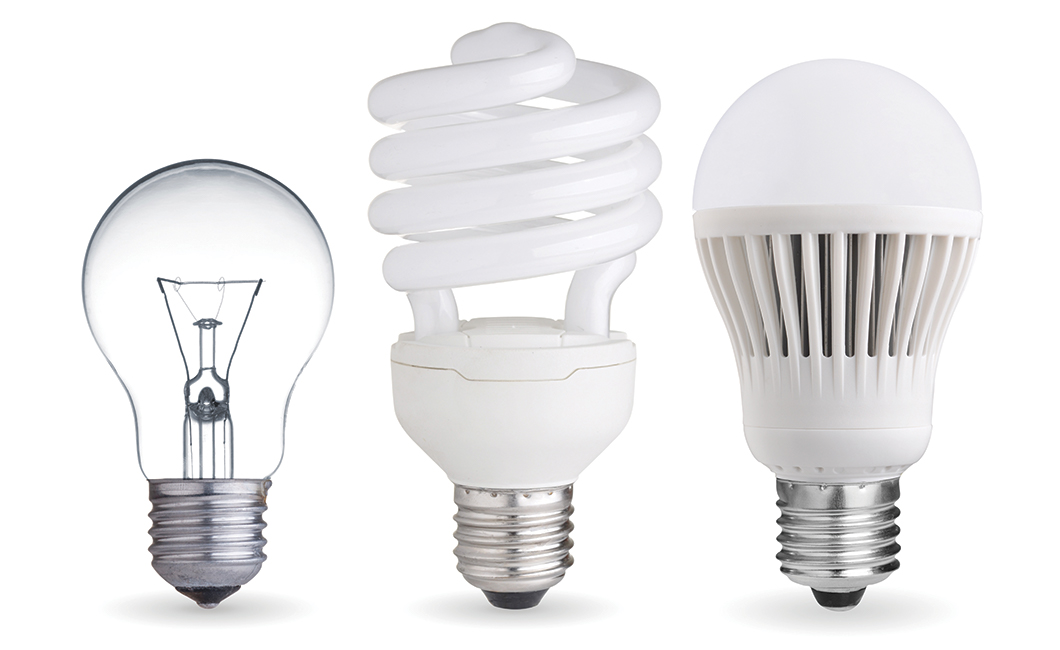
Incandescent Bulb Fluorescent Bulb LED Bulb

◀ Milk that lasts 10 or more days. Frozen vegetables that keep their look, taste, and nutritional value even after they’re cooked. An unopened box of juice that stays fresh even without being refrigerated. Foods enriched with vitamins and minerals. All these products are solutions chemical engineers have come up with as they worked to solve problems in the food industry.
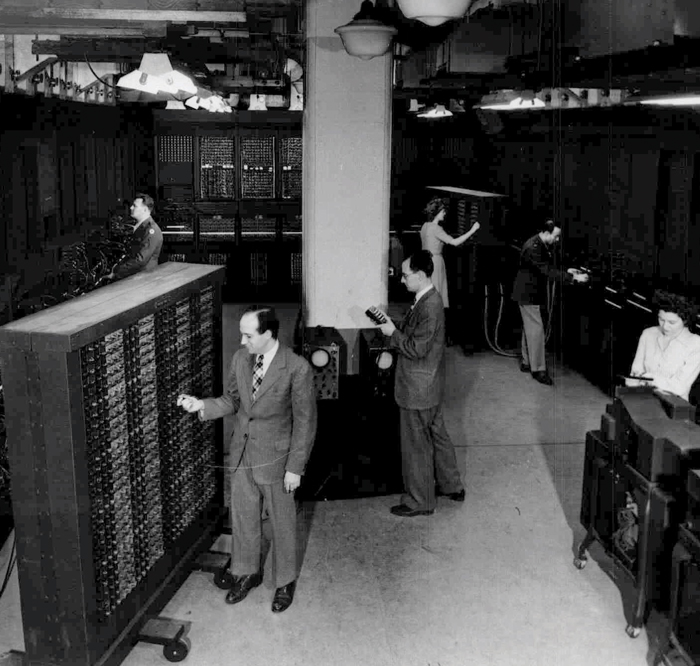
Meet ENIAC, short for Electronic Numerical Integrator and Computer, the first large-scale computer in the United States. The size of a huge room, ENIAC was built between 1943 and 1945. Today, all the software written for ENIAC would fit on a chip smaller than the palm of your hand. Six women were the engineers who wrote the software for ENIAC. ▶
Think Piece!
What do you think will be the next development in computers?
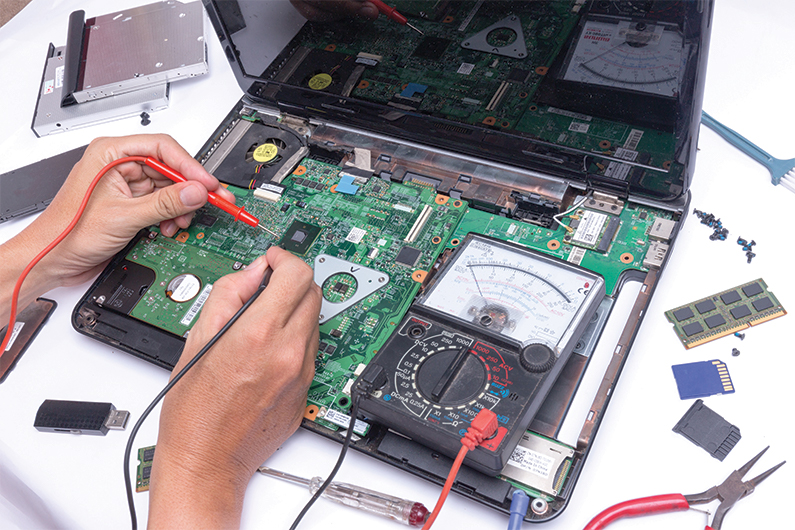
◀ It’s called the motherboard and functions like the central nervous system of a computer or cell phone. Designing and building motherboards as well as keyboards, routers, and printers is the work of hardware engineers. How can we make the hardware lighter? Smaller? Faster? Smarter? These are just some of the questions that keep developers hard at work.
Software engineers are the people who design and create computer programs. These engineers test and revise their work many times, often with the help of users. Operating systems are an example. Some operating systems have numbers after their name, such as 10.14, where 10 refers to the number of different versions of the operating system and 14 refers to the number of changes within that version of the system. ▶


Kids Discover talked with Elvis Herbert, an audio engineer in love with sound.
KD: How would you describe your work?
Herbert: I like to think of it as creating a world of color with sound.
KD: How do you, as an audio engineer, make that happen?
Herbert: I work with all technical aspects of sound during the process of recording, mixing, and reproducing. For example, I adjust the intensity and volume of the different sounds, like the sound of the room, the sound of each singer and each instrument. That’s what mixing is. I also work with record and TV producers, and writers and musicians. There, my role is to help give their work or their project the sound they want.
KD: What kinds of projects have you done?
Herbert: I’ve worked on projects with well-known musicians. I’ve also worked on jingles and on dubbing advertisements from Japanese to English and Spanish to English.
KD: What is something most people probably don’t know about your work?
Herbert: That you don’t have to love the music you’re working on to do a great job. You do need to be open to the music and not judge it.