Free
By 2030, it’s predicted that the world population will be more than 8.5 billion people. That’s up almost a billion from where it is now.
Just imagine. All those people needing food. Where will it come from? All that waste needing to be disposed of. Where will it go? All that farmland and all those rivers and lakes needing protection from pollution. Many of the solutions come from environmental engineering.
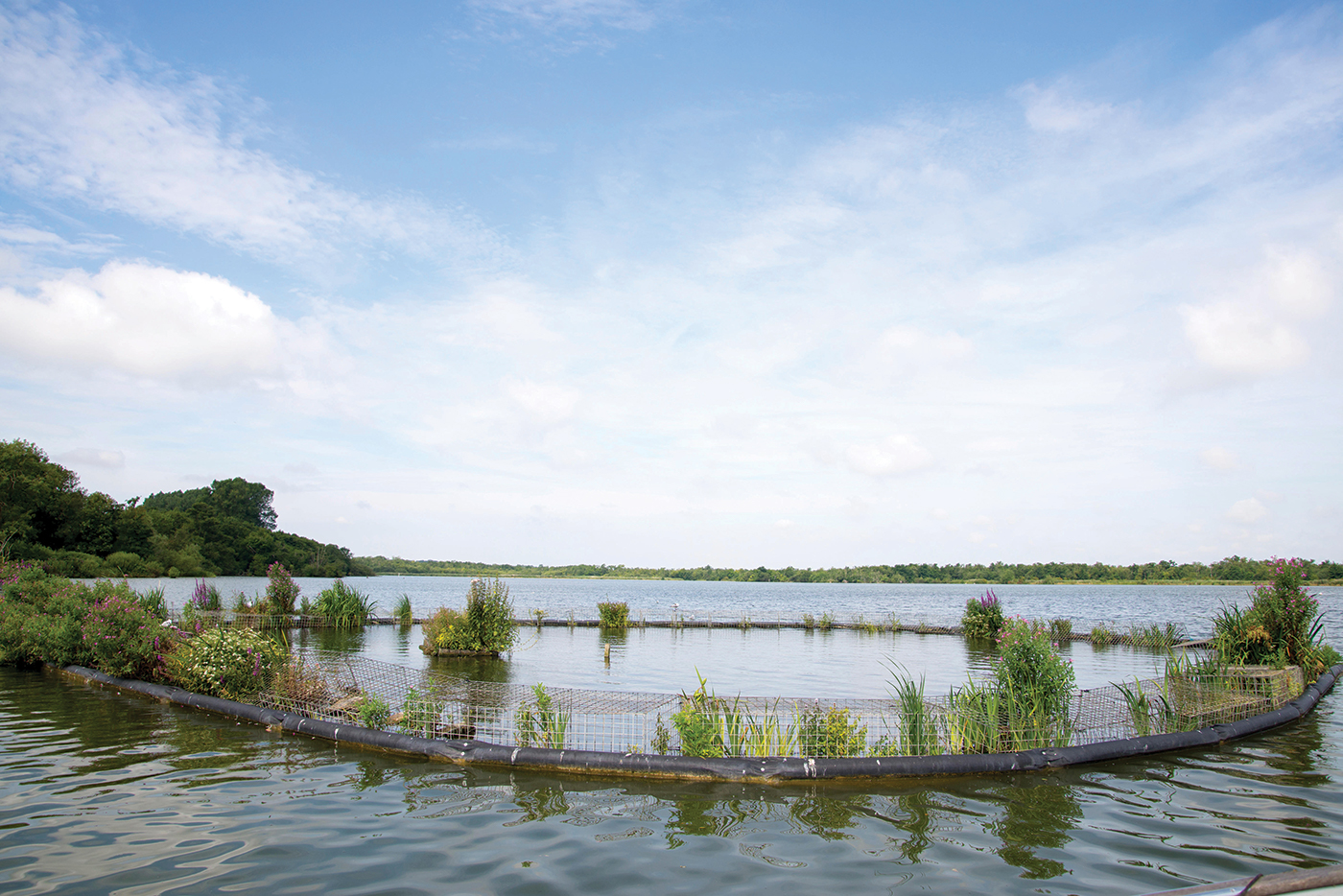

◀ Norma Alcantar applied her background in chemical engineering to an environmental problem — polluted water. As a child in rural Mexico, Alcantar learned from her grandmother how people there cut and boiled a prickly pear cactus plant and used the boiled water to purify their own drinking water. In her laboratory, Alcantar learned that the fleshy interior of the plant’s leaves was the key ingredient. Using biobeads made from that part, she tested her idea on the water in Haiti that had become polluted after an earthquake. It worked.
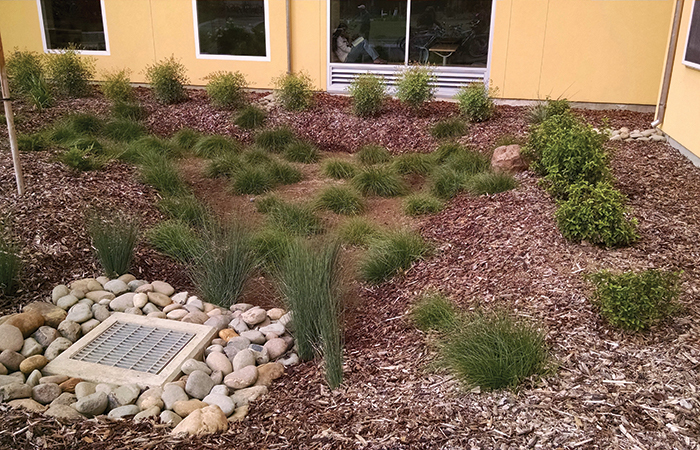
A swale is a low place between two ridges. A bioswale is a low place filled with grass, trees, or other plants. The plants in a bioswale cause rainwater to sink into the soil slowly. As water passes among the roots of the plants, most of the pollutants are removed from it. Engineers and landscapers have used these carefully designed plantings to help purify the water that flows into rivers, streams, or sewer systems. ▶

◀ Flushing the toilet brings a rush of water that moves everything down and out toward the sewer. Depending on how old the toilet is, that may mean up to six gallons of water down the drain. (Newer toilets use fewer gallons to flush.) What if you live in or near a desert, where water is scarce? Or in an area with no sewage lines? Environmental engineers have solved that problem with bio-toilets. Some of these toilets use materials like sand or sawdust to turn waste into compost. The process takes about 25 days and results in dry material that has no odor and only about 5 to 10 percent of its original mass.
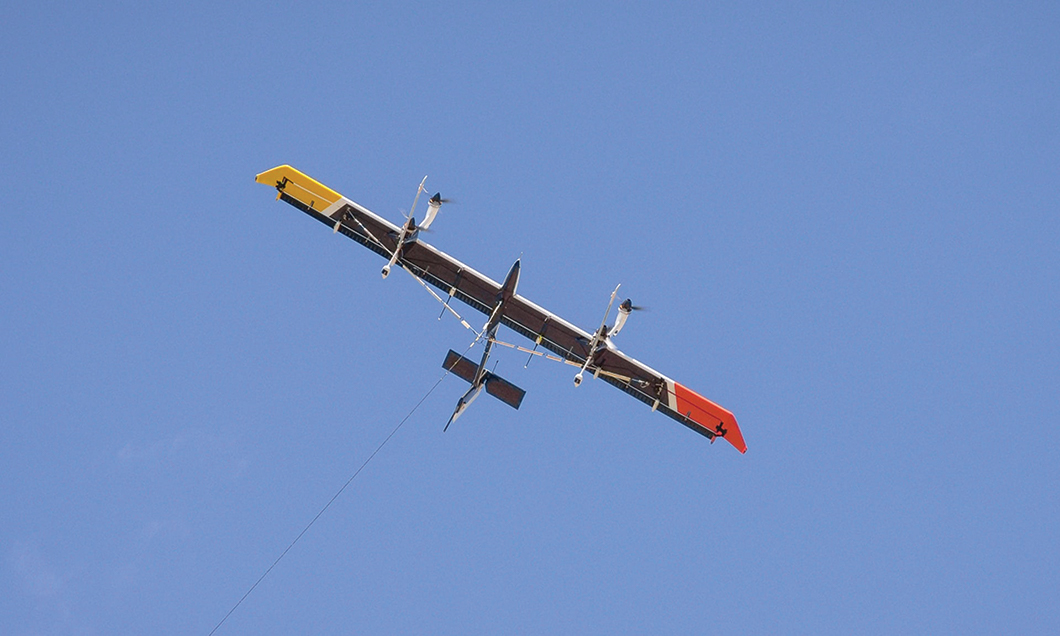
▲ Winds at high altitudes provide over four times the energy of winds near the ground. Knowing this, engineers ask, how can we use high-altitude winds to generate power? Their answer — wind turbines mounted on kites. Of course, these are no ordinary kites. They’re about 100 feet long and made of thin filaments of carbon. Flying up to 2,000 feet above the ground, a kite’s turbines can generate 600 kilowatts of energy. That’s enough to power around 300 homes. And it’s about twice as much power as a wind turbine on the ground produces.

◀ More than 800 million people in the world don’t get enough food to eat. Surely, one reason is there just isn’t enough food being produced. Engineers have designed indoor farms as a solution. This particular farm is about half the size of a football field. With thousands of LED lights and controlled conditions, the lettuce here grows twice as fast as it does on a traditional farm. About 10,000 heads are harvested each day.