Free
It’s been rolled up and moved from state to state. The original Declaration has traveled a long way to reach its home in Washington, D.C., the nation’s capital.
Today, anyone can see the document at the National Archives Building. But its ideas are still on the move. They’ve inspired people struggling for freedom and equal rights.
1789
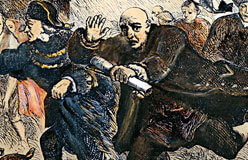
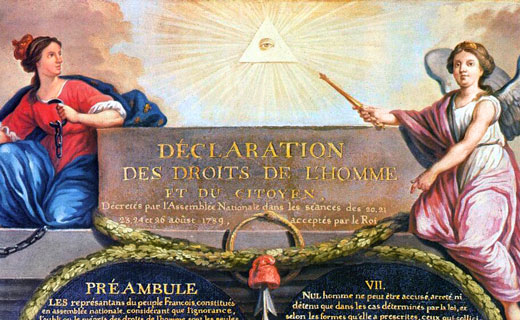
At the start of the French Revolution, French rebels call for a document like the Declaration of Independence to explain the rights of citizens. They create the French Declaration of the Rights of Man and the Citizen. ▶
1848
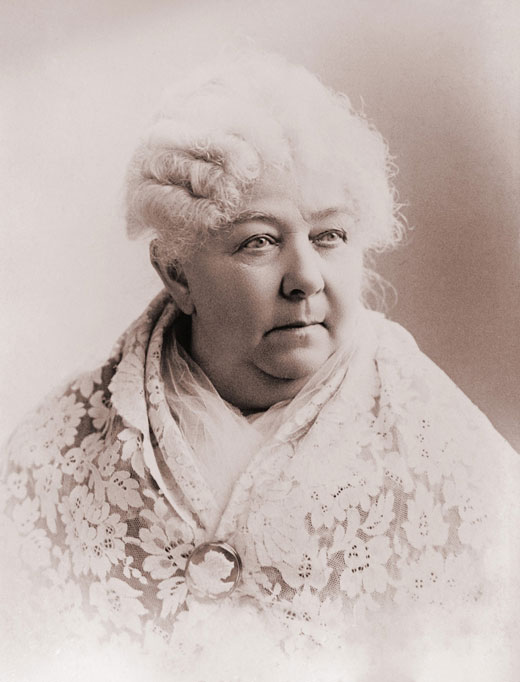
◀ Elizabeth Cady Stanton leads a group of 300 people, mostly women. They hold the first women’s rights meeting in U.S. history. They create their own declaration. It calls for women to have the same rights as men.
1863
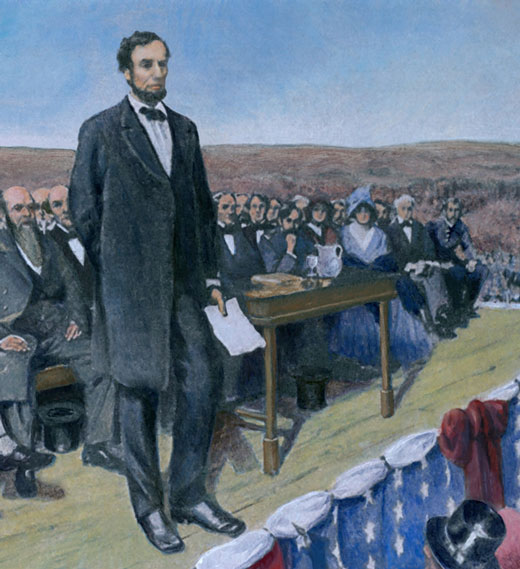
During the Civil War, many people who speak against slavery quote the Declaration of Independence. In his Gettysburg Address, President Abraham Lincoln calls the United States a “new nation, conceived in Liberty and dedicated to the proposition that all men are created equal.” ▶
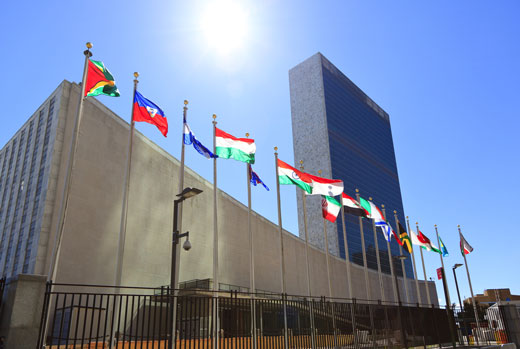
1948
◀ The United Nations creates the Universal Declaration of Human Rights. It includes these words: “All human beings are born free and equal in dignity and rights.”
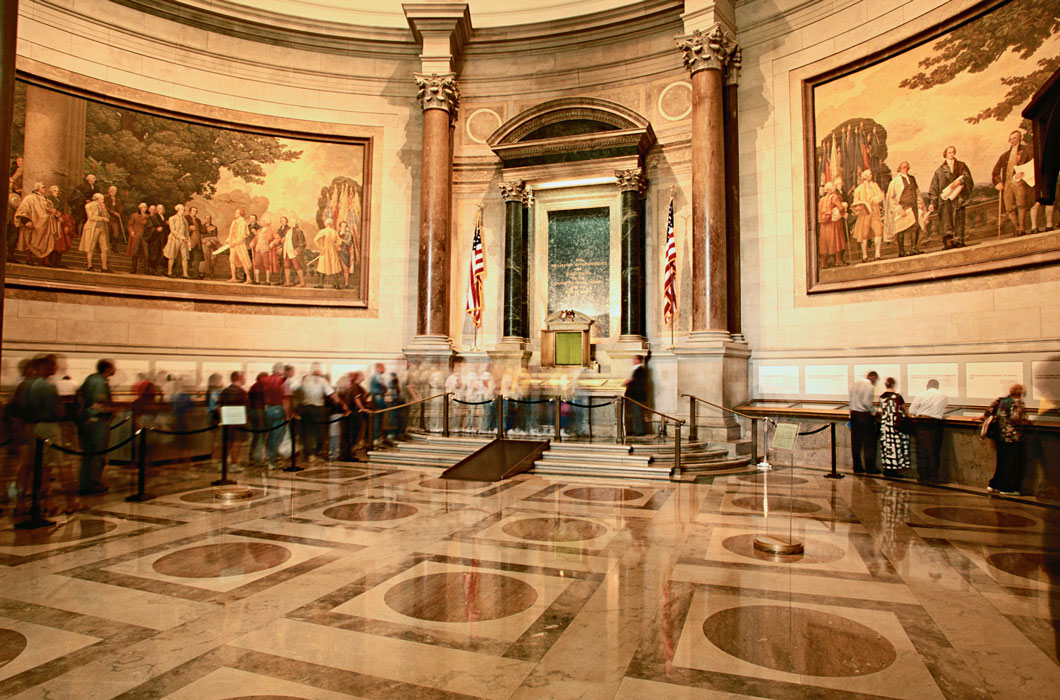
1952
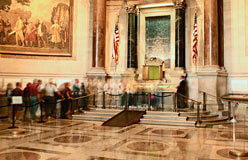
▲ The Declaration is housed in the Rotunda for the Charters of Freedom at the National Archives Building in Washington, D.C. During the American Revolution, the Declaration traveled with the Continental Congress. During World War II, it stayed in an underground vault in Fort Knox, Kentucky.
Explore the Rotunda for the Charters of Freedom
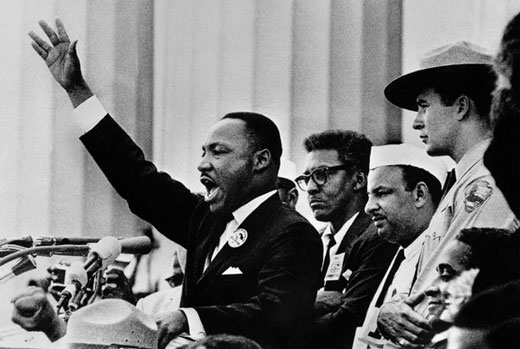
1963
◀ Civil rights leader Martin Luther King Jr. speaks about the Declaration in his “I Have a Dream” speech.
2002
Caretakers restore damage time has done to the Declaration. It’s written on parchment, which is stretched animal skin. They examine it with a microscope. They clean it and reattach flakes of loose ink. ▶
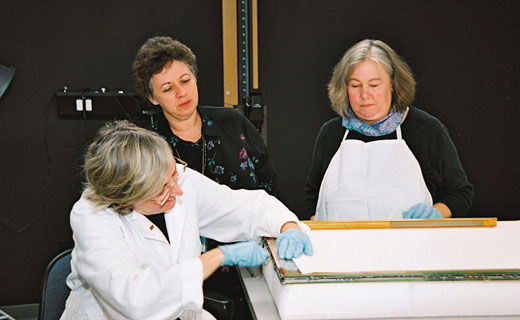
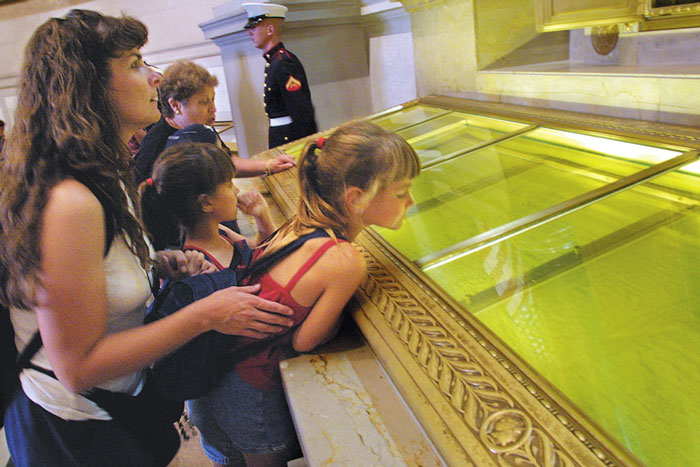
◀ Today, people from around the world come to the National Archives to see the Declaration of Independence. They can also see the Constitution and the Bill of Rights. The Declaration sits in a multimillion-dollar high-tech container. The outside is made of bulletproof glass. The inside is filled with argon. That’s a gas that helps keep the Declaration from fading. There’s also a thin light beam that shines inside. It’s used to measure the temperature. At night, the three documents are stored in an underground vault that’s designed to keep them safe.
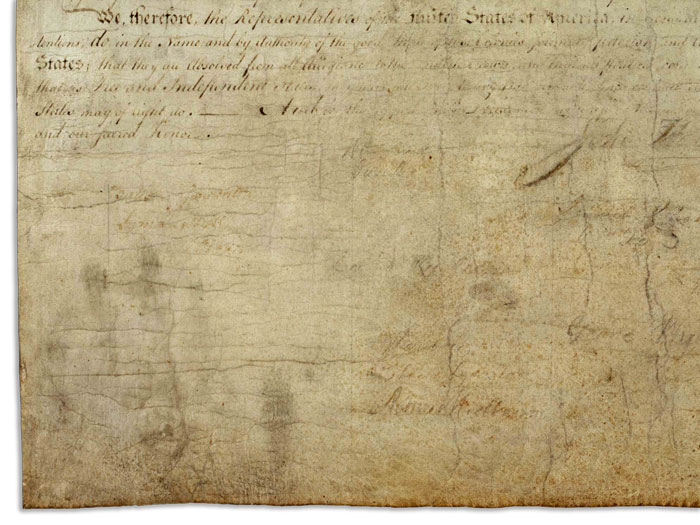
◀ Check out this handprint. No one knows how it got there. But trying to remove it could damage the Declaration.