Free
Everyone knows bones are hard. That’s because they’re made from some of the same minerals found in rocks, such as calcium, magnesium, and phosphates.
In fact, about two-thirds of a bone’s weight comes from minerals. But bones don’t just give the body structure and strength.
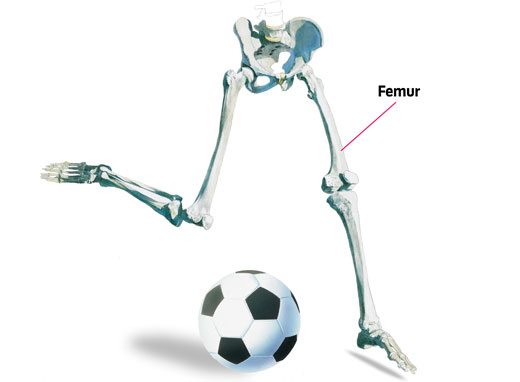
▲ The longest and strongest bone in the human body is the femur, or thighbone.
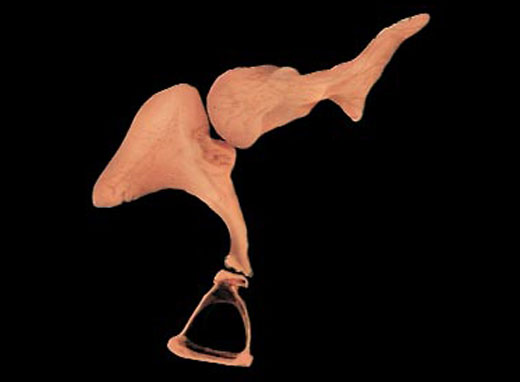
▲ The smallest bones are the ossicles—three tiny bones in the middle ear.
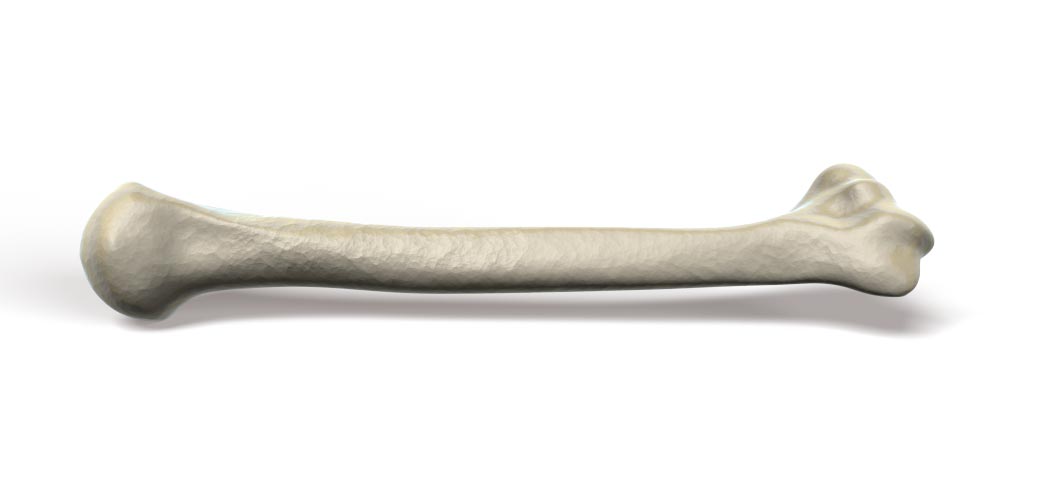
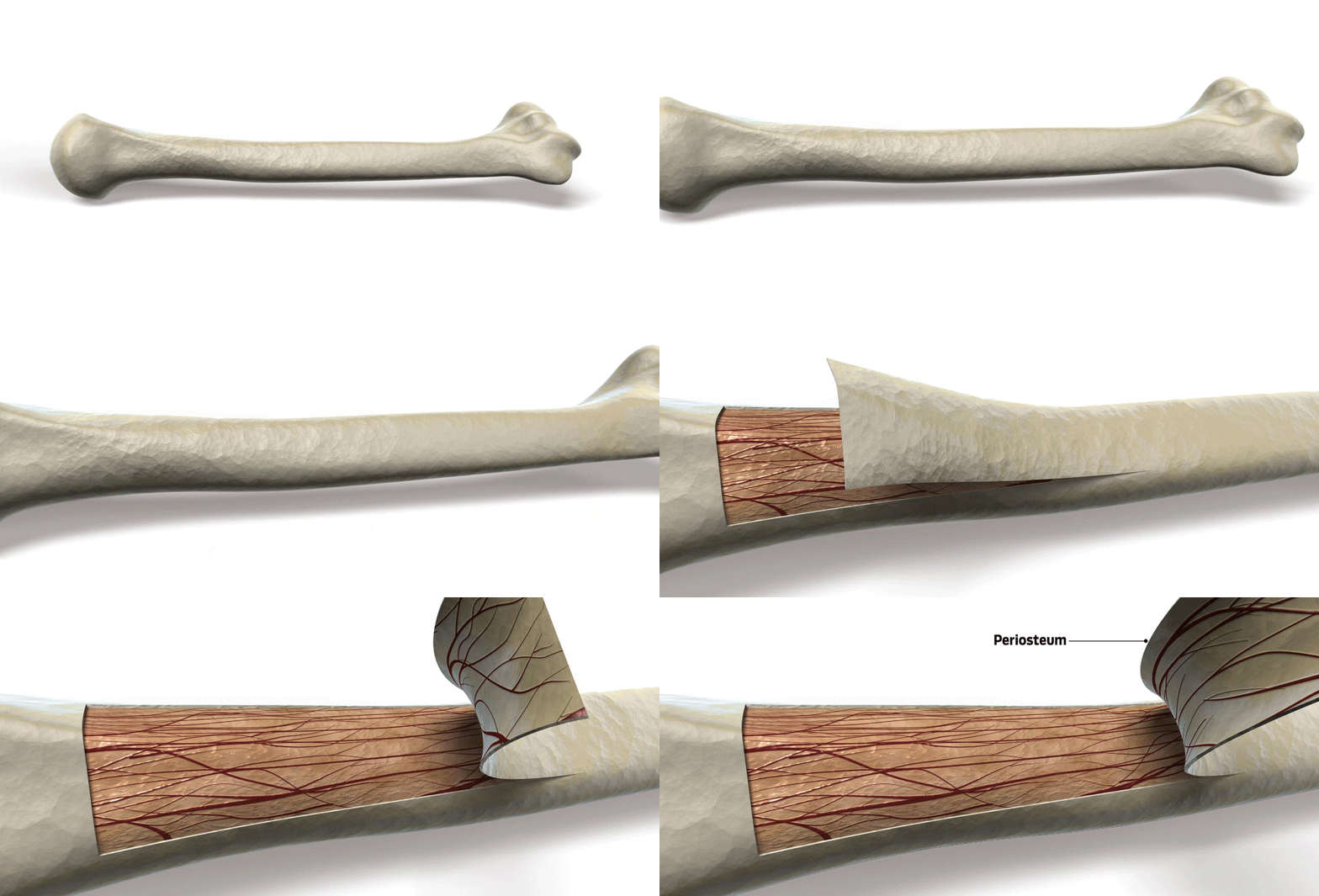
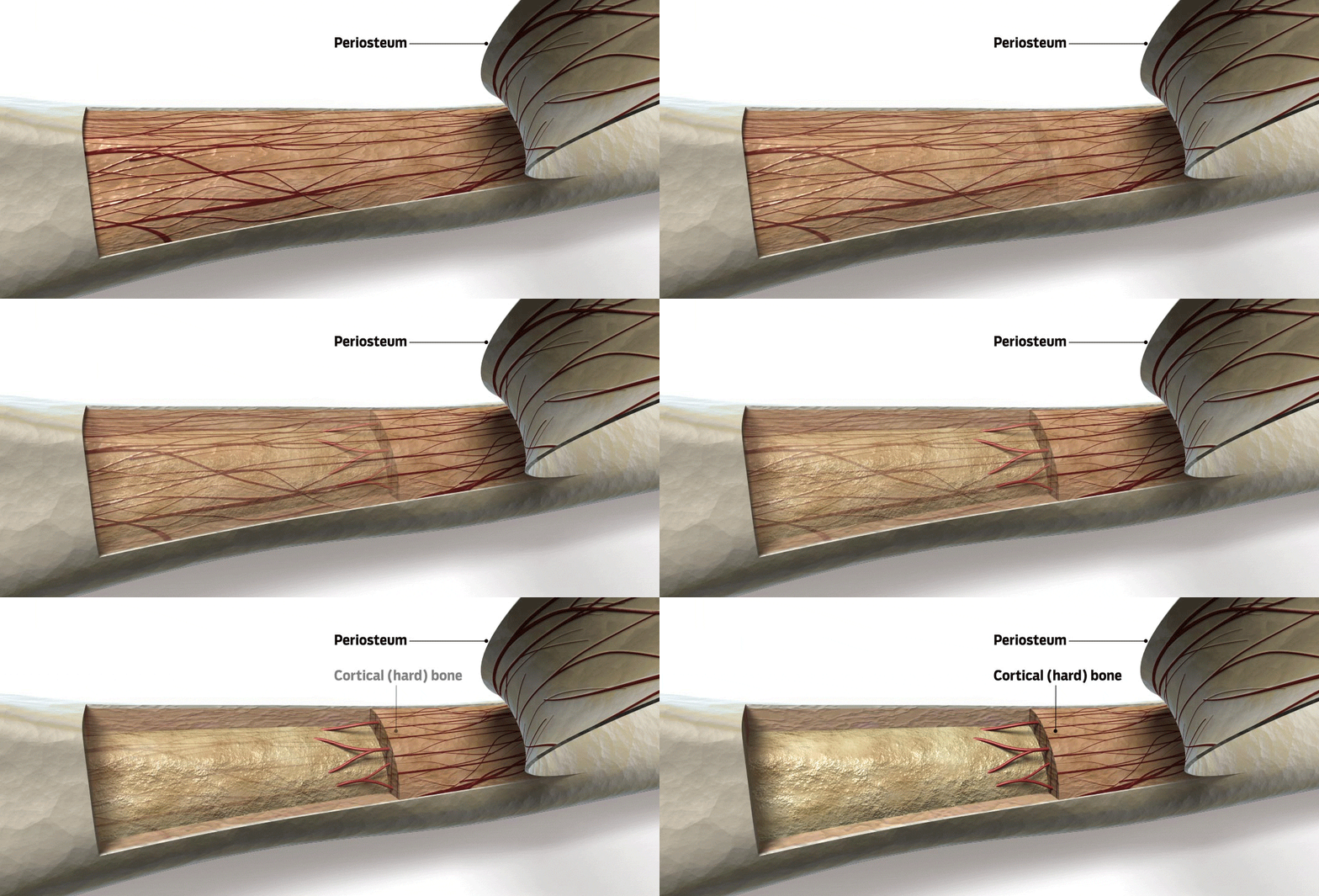
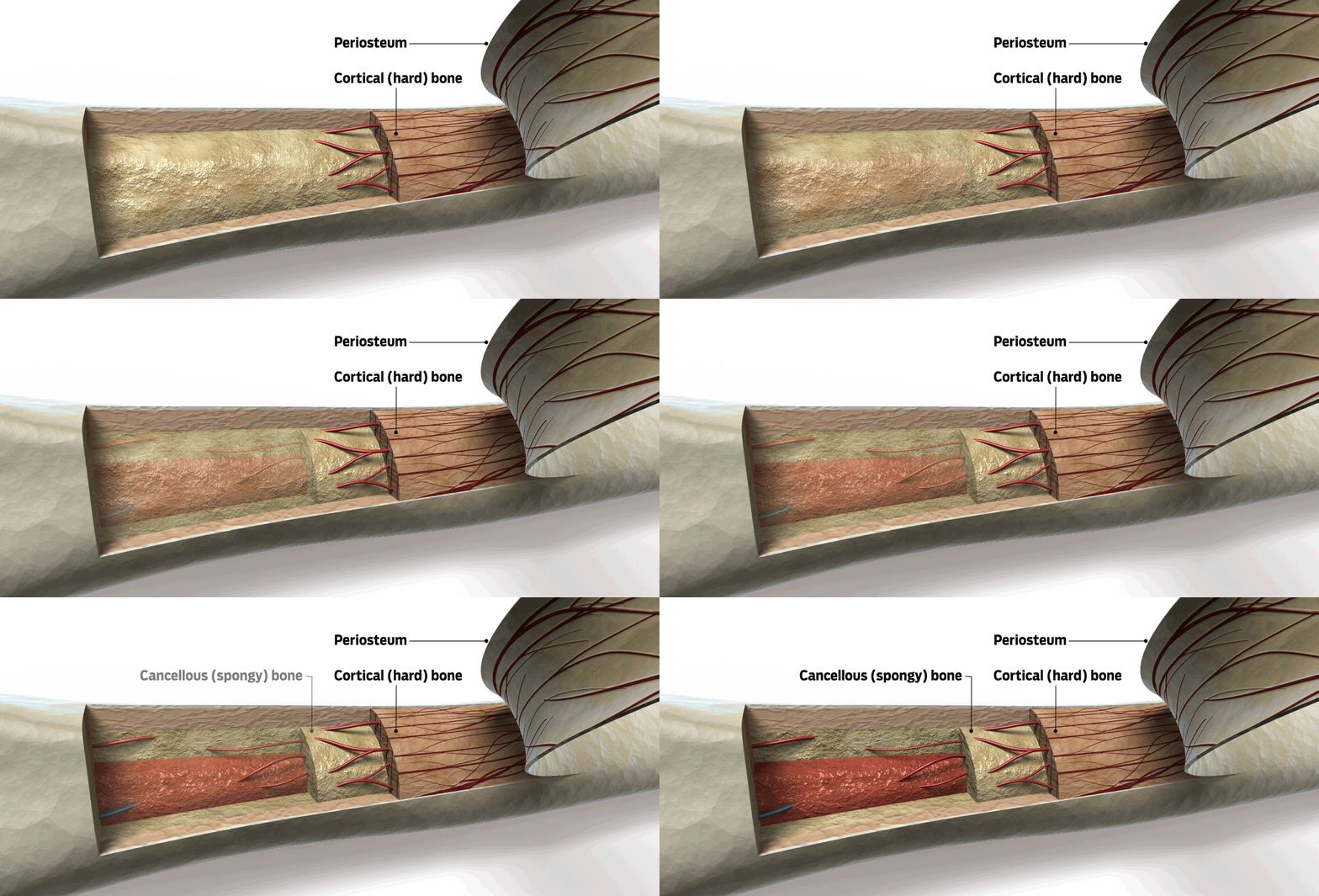
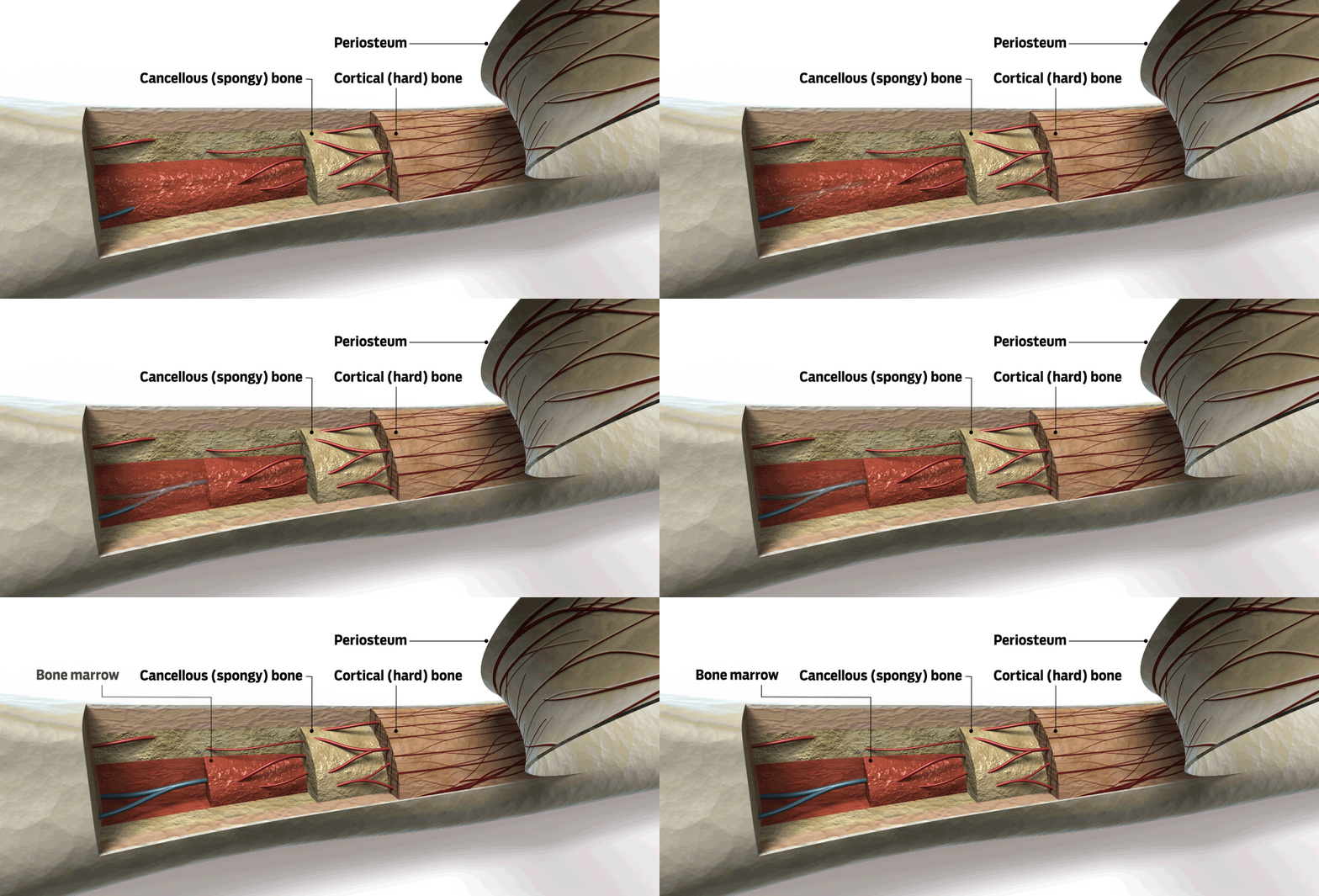
Underneath the tough exterior of most bones lies a mushy center that’s just as vital to the body as soft organs, like the heart or lungs.
Blood and Bones
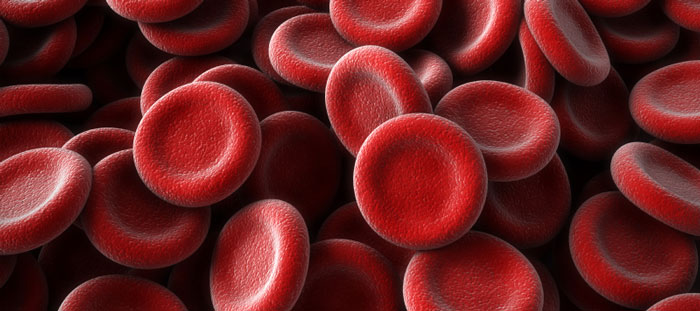
About 25 trillion red blood cells race through your bloodstream all the time. They’re delivering oxygen to all parts of your body. Red bone marrow pumps out about 200 billion new red blood cells each day. That’s just to replace the ones that wear out. ▼
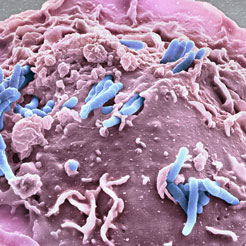
▲ Many—but not all—white blood cells are produced in the bone marrow. White blood cells fight off infections from bacteria, viruses, and other bodily invaders.
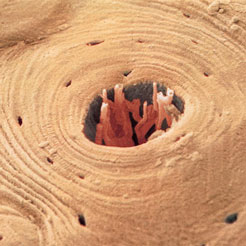
▲ This cross section of compact, or hard, bone shows osteons in circular layers surrounding blood vessels and nerves. An osteon is composed of tiny bony tubes, which are made up of a fiberlike protein called collagen
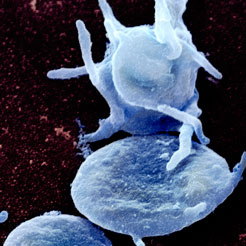
▲ Whenever you cut yourself, platelets help form a plug of clotted blood that keeps you from bleeding to death. Platelets are produced in the bone marrow and lymph nodes.
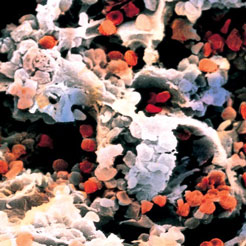
▲ People who have trouble producing enough blood cells, such as leukemia victims, must sometimes accept bone marrow from someone else. After a bone marrow transplant, they can produce healthy new blood cells
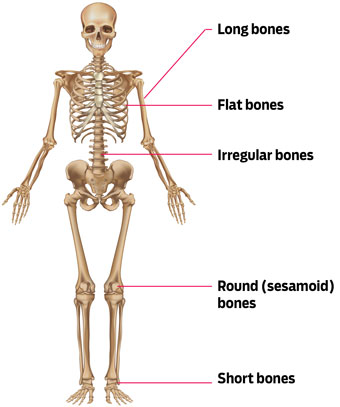
◀ Five Kinds of Bones
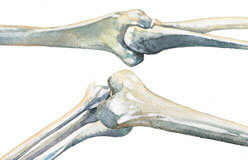
1. Long bones, such as the humerus, in the arm, are longer than they are wide.
2. Flat bones, such as the ribs and breastbone, are thin and broad.
3. Irregular bones, such as vertebral bones in the spine, come in various shapes to accomplish special jobs.
4. Round (sesamoid) bones, such as the kneecap, are usually found near the joints and help with movement. They are called sesamoid bones because they resemble sesame seeds.
5. Short bones, such as ankle bones, are about as long as they are wide.
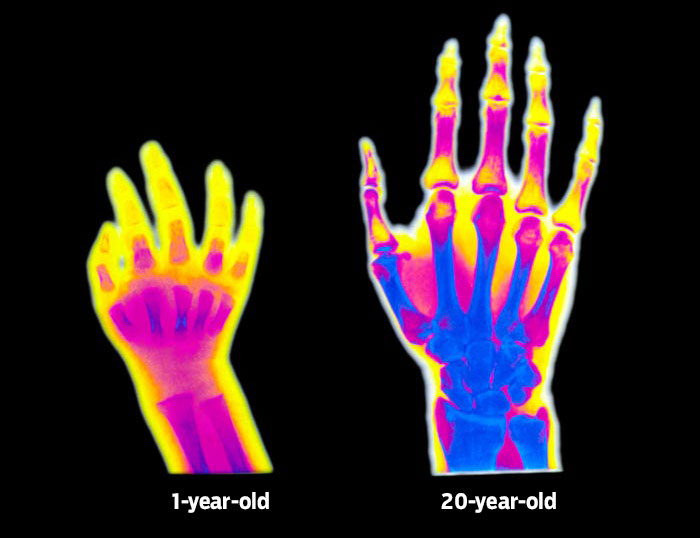
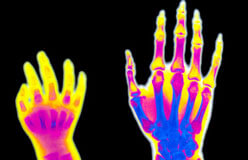
▲ When the skeleton first forms, it is made up mainly of cartilage. Bone (in pink or blue) starts forming when an embryo is around six weeks old. As a person ages, most cartilage turns to bone, but some does not, such as that between the vertebrae (backbones) and in the joints. Cartilage cushions some bones from shock and keeps others from rubbing together.