Celebrate America's 250th Anniversary with Kids Discover Online

As America approaches its 250th anniversary, these Kids Discover Online resources help students explore the people, ideas, and events behind the nation’s founding. From the Declaration of Independence to the Fourth of July, these engaging lessons bring America’s story to life.
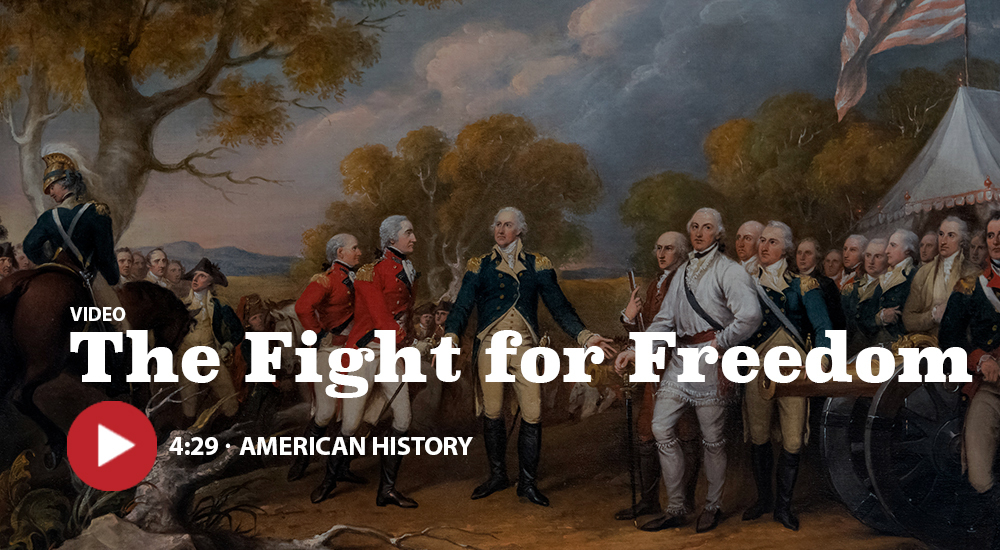
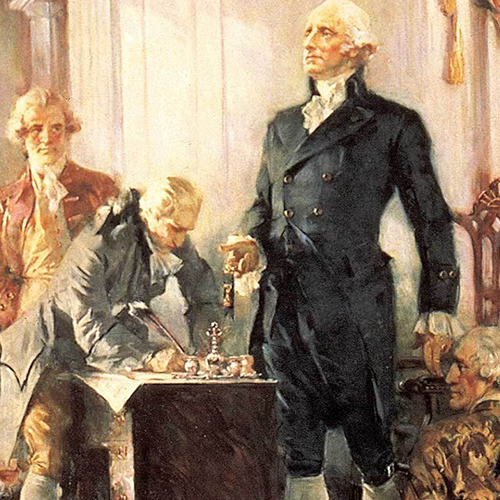
On July 4, 1776, when the Second Continental Congress adopted the Declaration of Independence, the American Revolutionary War was in its second year. The 56 men who signed the Declaration had put their lives on the line. If the United States lost the war, they could be executed as traitors by the British government.

Imagine you're a member of a sports or chess club, and the club wants to donate money to an organization or charity. How will everyone decide on the recipient? You'll probably vote, and the charity or organization with the most votes will get the money. That’s how democracy works—people decide things by voting.
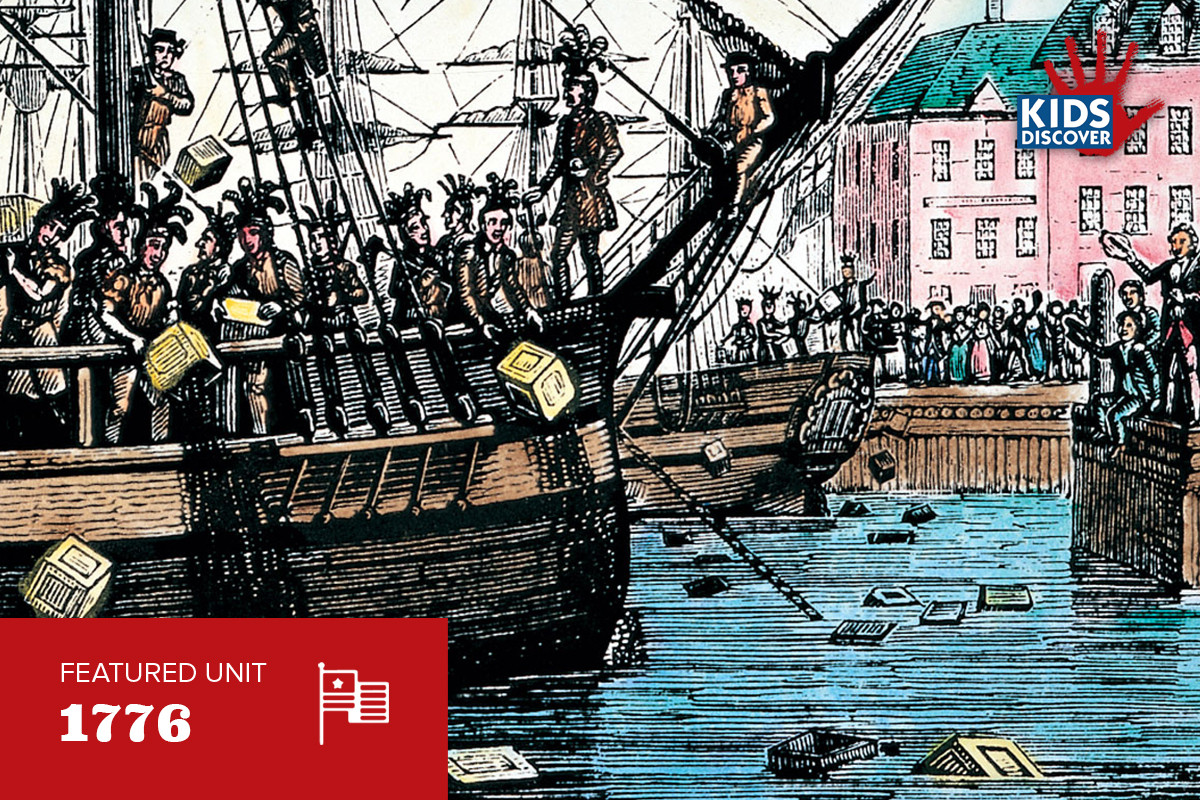
Learn about the events and people that caused delegates to the Second Continental Congress to switch from not wanting freedom to arguing for independence from British rule.
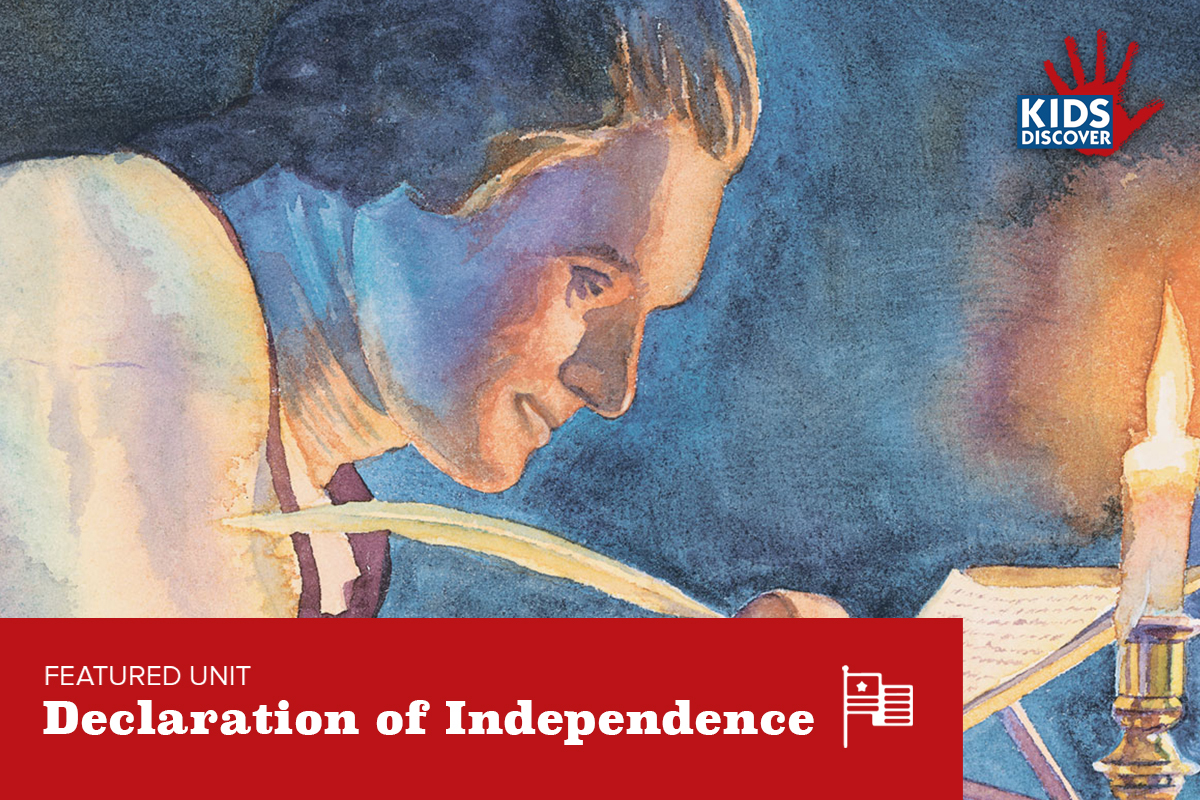
It’s hard to believe that just over a thousand words could change world history, but one document—only 1,337 words long—holds ideas more powerful than dynamite.
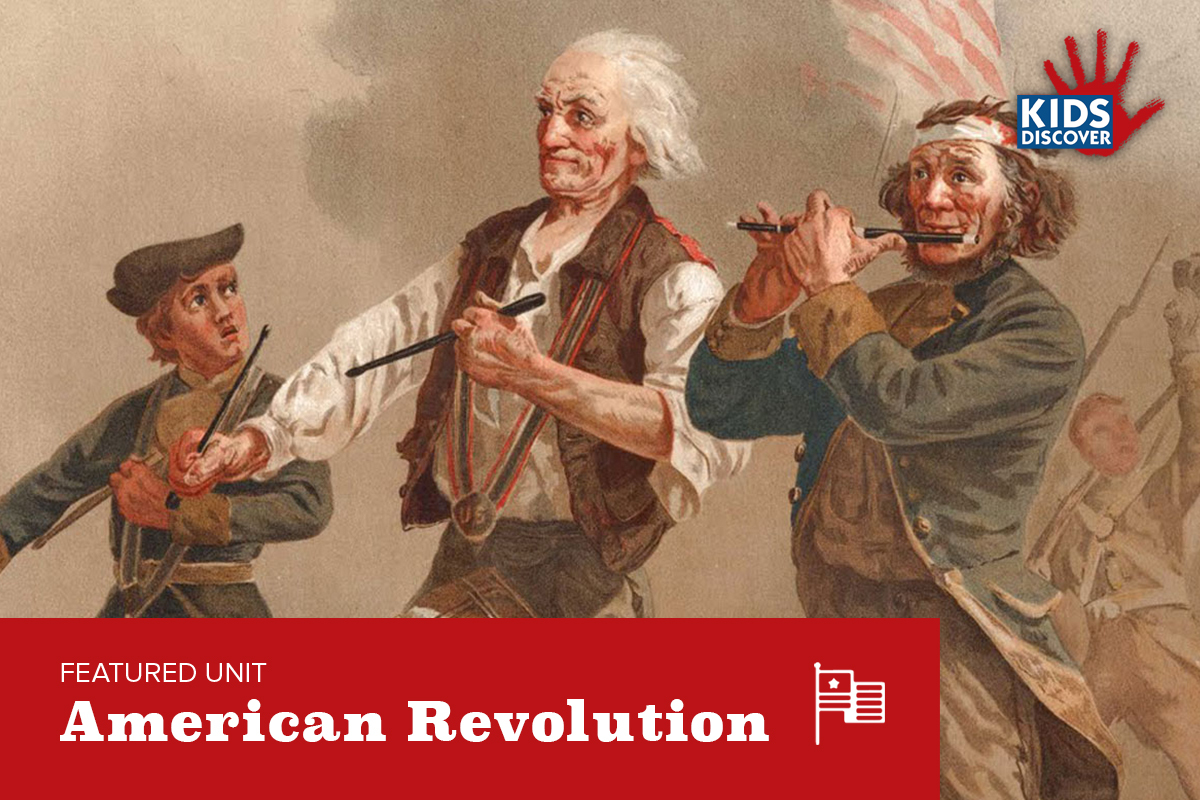
Explore the people, events, and turning points that led to America’s independence. These engaging lessons bring the Revolution to life through stories of soldiers, women, leaders, and the birth of a new nation.
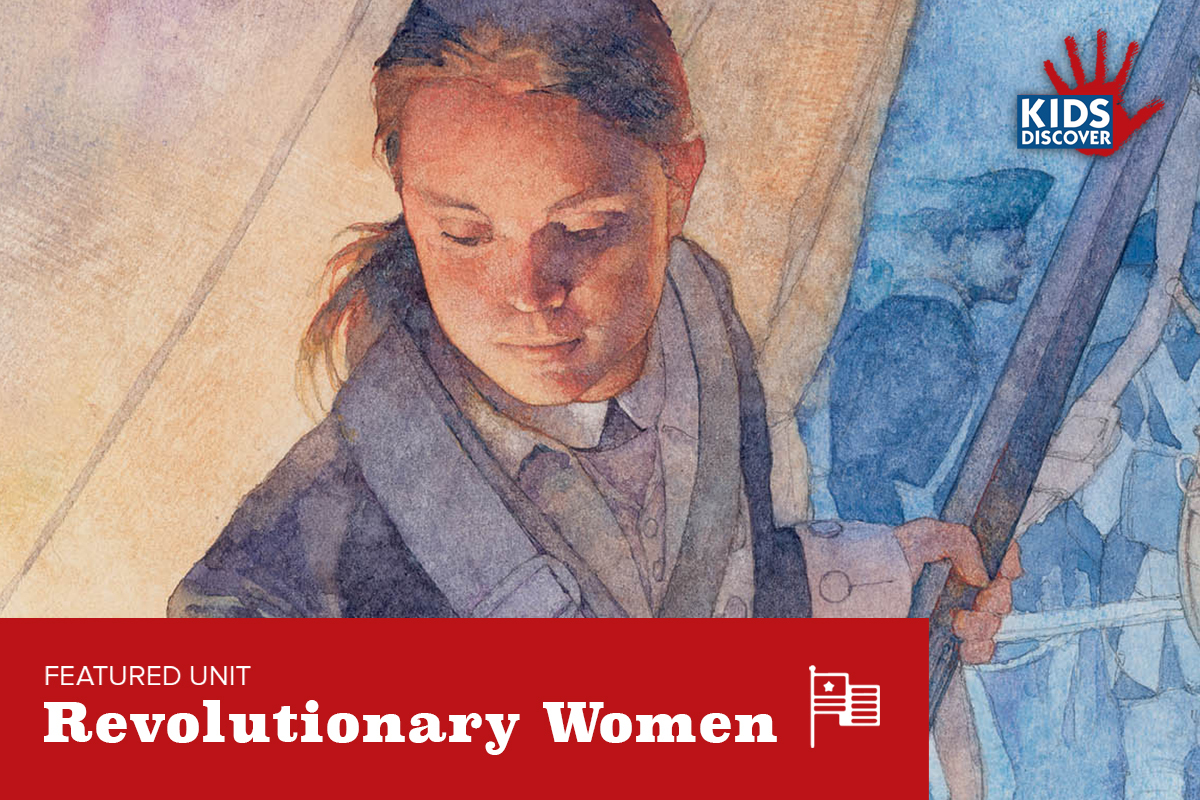
While women did not hold the front lines during the War of Independence, they greatly contributed to efforts to keep soldiers fed on the battlefield, lent their voices to political debates, and generally kept the home fires burning.

Holidays are important days. On holidays we celebrate our history. On some holidays we remember special times. Independence Day is July 4. We celebrate our country’s freedom. Many places have parades.
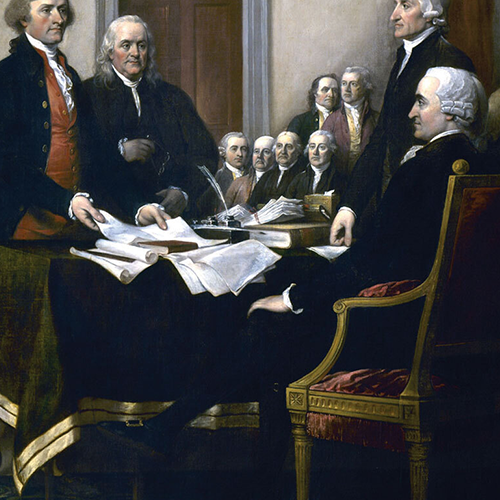
Britain, which includes England, was far away. Even so, people in the colonies had to follow Britain’s laws. Many people thought some laws were not fair. The leaders of the colonies wanted freedom.
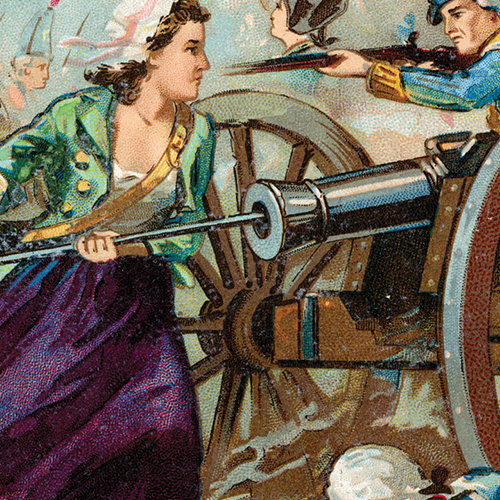
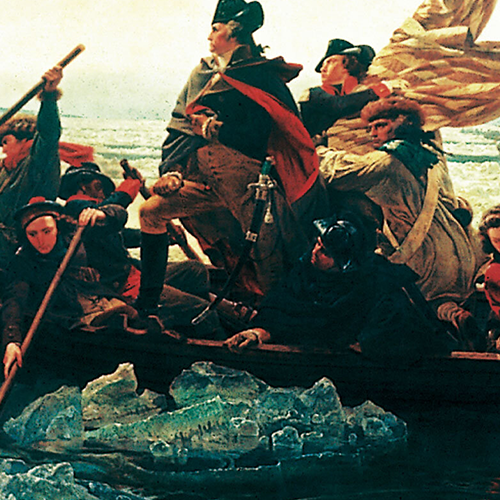
Many patriots helped our country win the war with Britain. Patriots are people who love their country. George Washington was the leader of all those who fought in the war with Britain.
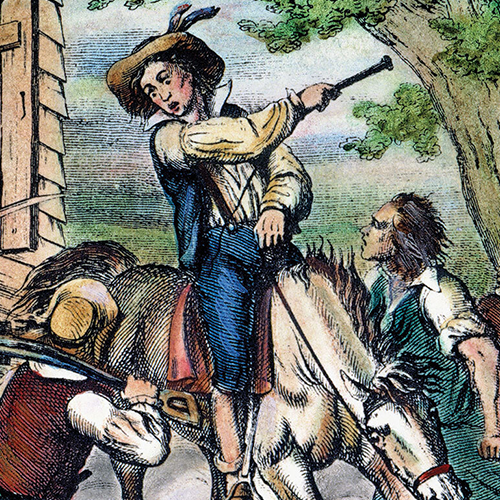
George Washington wasn’t the only American freedom fighter. Many people helped win the fight for independence from Britain. How would you have liked to help?

The United States has a uniquely diverse population. Some of us are native to this very land. Many of us (or our forebears) come from Europe, from Asia, from Africa, from the Middle East, and from South America.
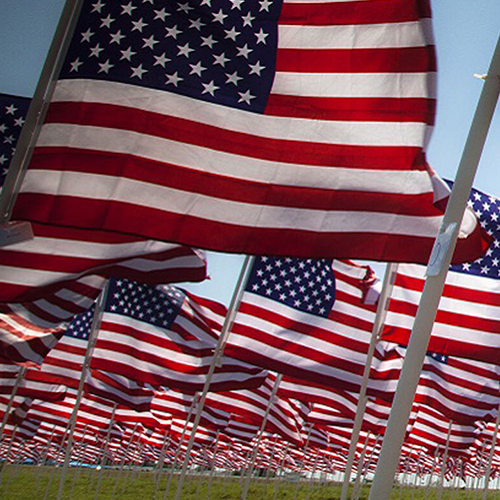
You’ve probably seen the American flag thousands of times. But how closely have you looked? How many stripes are there? What color is the top stripe? The bottom stripe? How many stars are in each row?
Four days after the delegates approved the Declaration, Philadelphia’s Liberty Bell rang out loudly. Over and over, it called the people to come hear the reading of the Declaration of Independence.
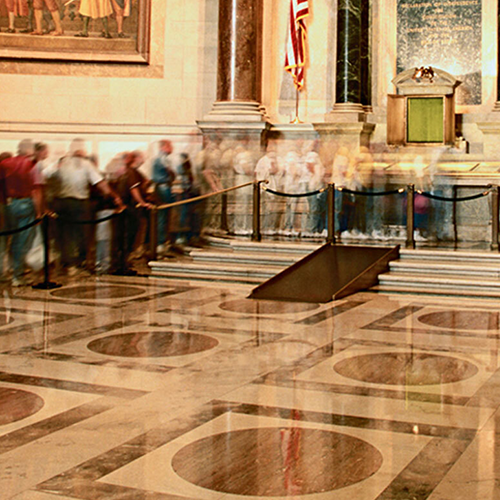
It’s been rolled up and moved from state to state. The original Declaration has traveled a long way to reach its home in Washington, D.C.. Today, anyone can see the document at the National Archives Building.
They were badly clothed, poorly fed, barely trained, and often unpaid. But the American soldiers went up against the finest fighting force in Europe—and won.
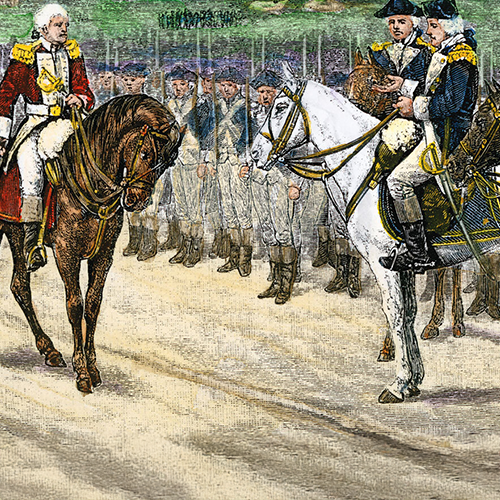
On July 4, 1776, the Second Continental Congress adopted the Declaration of Independence. But the American Revolutionary War was already in its second year. The 56 men who signed the Declaration had risked their lives.
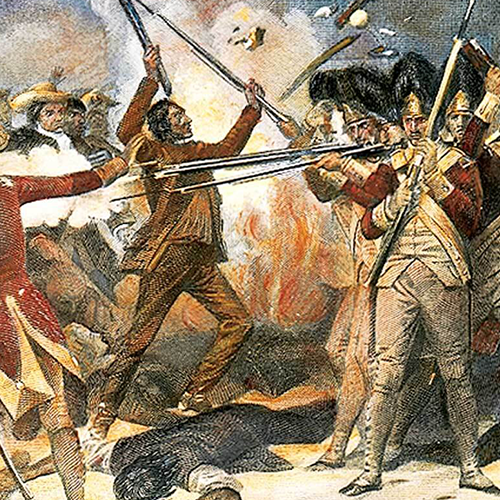
If you sometimes don’t want to do what your parents tell you, then you have an idea of how Great Britain’s 13 American colonies felt in the 1770s. Since 1607, people had been leaving Britain and coming to America. They did so for many reasons.
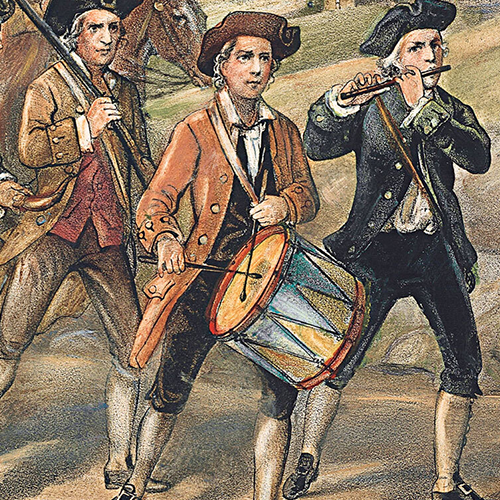
The Declaration of Independence has three parts. The first section explains the basic rights of all people. It says that because these rights haven’t been respected, it is the colonists’ duty to split from Great Britain.

This is my alert message