
Free
An emperor is the ruler of an empire, or huge kingdom. In many ways, the emperor penguin rules the “kingdom” of penguins. For one thing, it is the biggest penguin of all.
The emperor penguin’s body allows it to survive – and raise a family – in Antarctica, a place with one of the harshest climates on Earth. Here, winter temperatures in the interior can dip to as low as –58°F, and winds can top 100 miles per hour. (The temperature in the freezer of a home refrigerator is about 5°F.) This is no place for the unprepared.
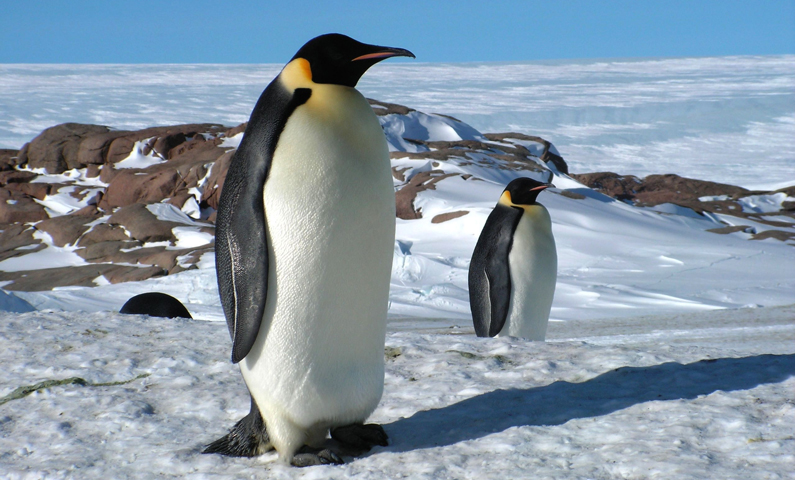
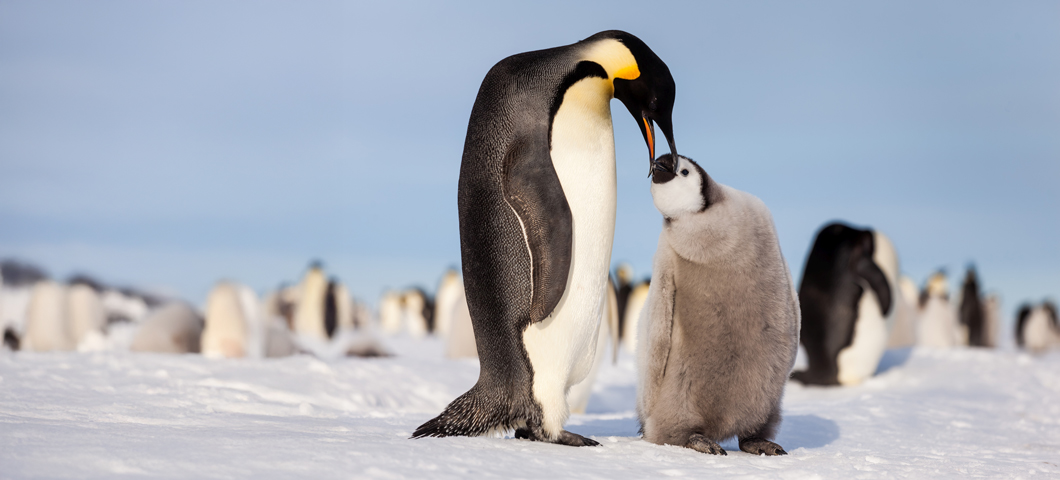
◀ Practically every part of an emperor penguin’s body helps it survive in the extreme climate of Antarctica. It has a layer of fat more than an inch thick and two layers of feathers to help keep it warm. It also has feathers on its legs that help keep its ankles warm. Its beak and flippers are relatively small, so they don’t lose much heat.
Loading the player...
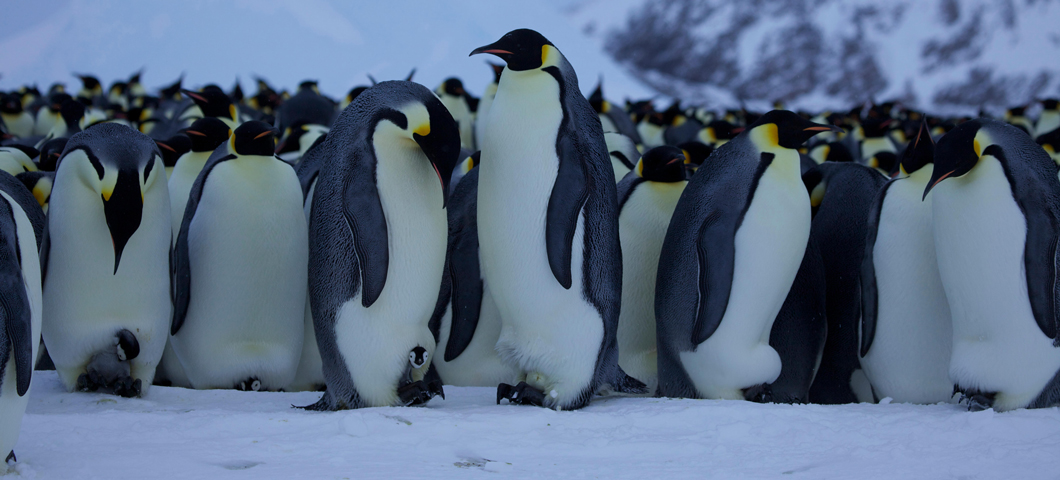
▲ Have you ever huddled together with others to stay warm? That’s exactly what emperor penguins do. . . often in groups of 4,000 or more! Adults and chicks are packed together. They continually rearrange themselves so each takes a turn being on the outer edge of the group where it’s especially cold. Huddles last from several minutes to a few hours.
Check It Out!
Are emperor penguins affected by climate change?
In Antarctica, climate change means warmer temperatures. Warmer temperatures cause sea ice to melt and break up. The problem for emperor penguins is that they need the ice as a place to take care of their eggs and their chicks. It’s no surprise that researchers have discovered that the number of emperor penguins has gone down.
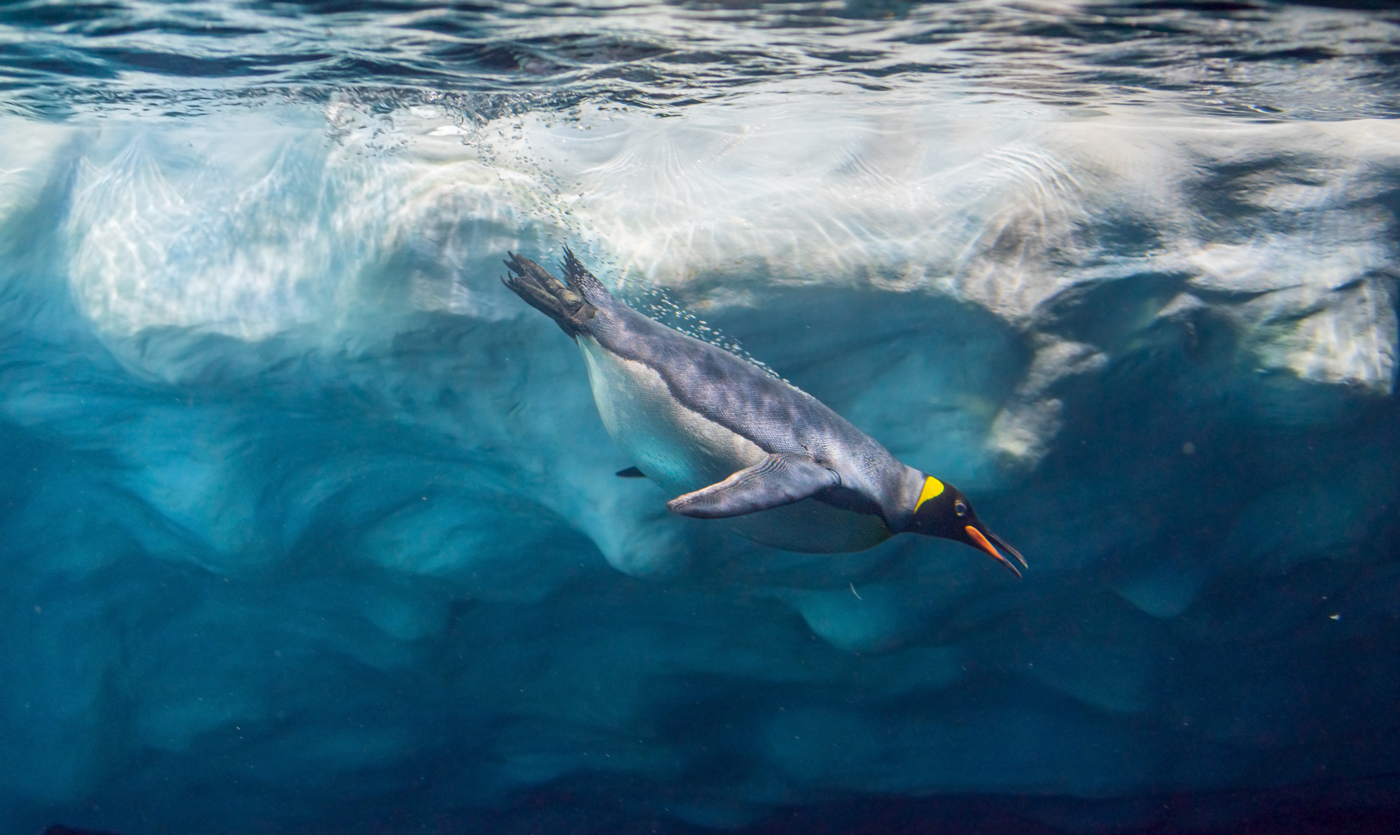
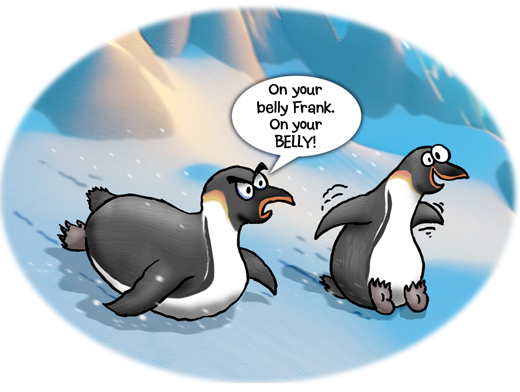
Emperor penguins have short legs. So walking long distances on snow and ice is a challenge. The penguin’s solution? To flop on its belly and slide. Called tobogganing, the penguin uses the strong claws on its feet to push itself forward. Its flipper-like wings help with steering and moving on soft snow. ▶

Family Life
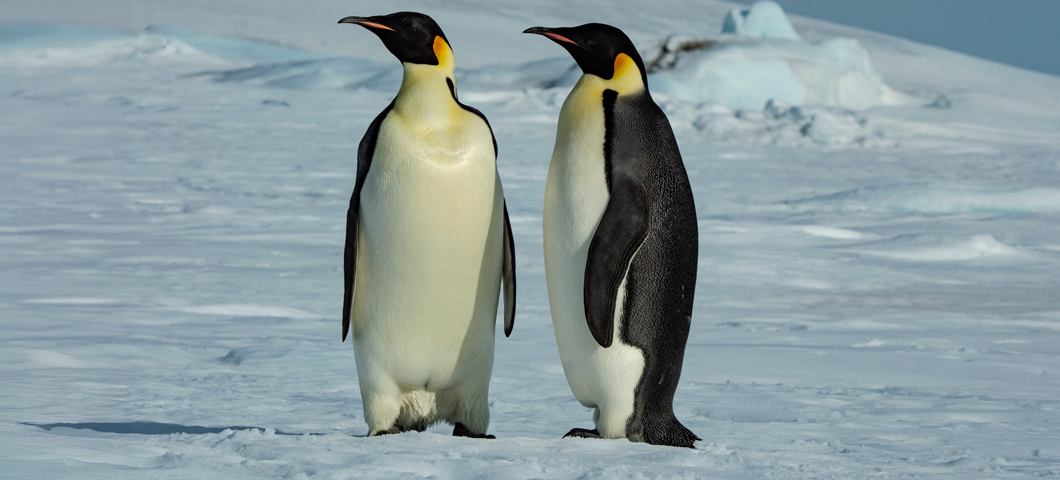
Emperor penguins don’t build nests. After laying an egg, the female passes it to the male and he holds it on the top of his feet. A fold of feathered skin keeps the egg warm.
