
Free
Suppose you’re swimming near the ocean shore. You can see colorful fish darting back and forth beneath you. Then suddenly your feet touch what feels like a huge rock. What’s that, you wonder.
You may have touched a coral reef. Coral reefs are made of thousands – even millions – of animals called polyps. A polyp has a soft body shaped like a tube. At one end is a mouth surrounded by tentacles. Algae live in the tissue of many kinds of coral polyps. Each provides the other with what it needs to survive. The connection is called symbiosis.
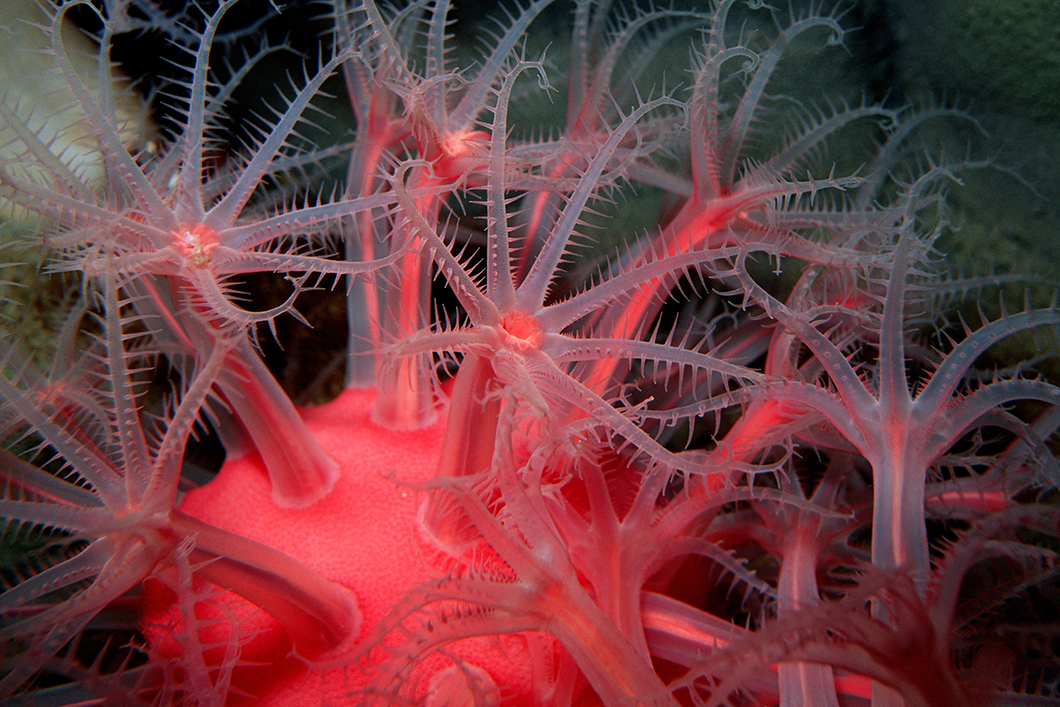
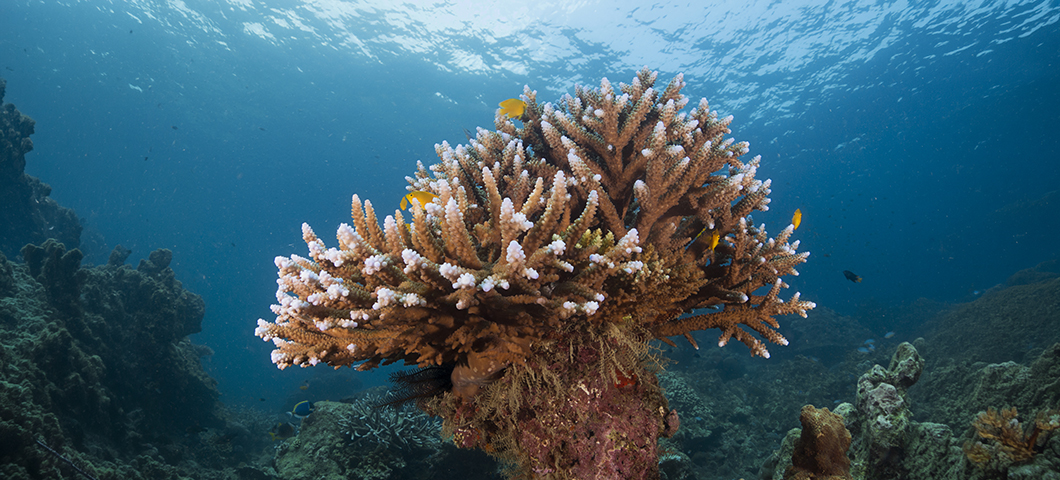
▲ Of the 6,000 or so kinds of coral polyps, most are no bigger than a grain of rice. Some live in the deep, dark parts of the ocean. Others live in warm, sunlit waters near the shore. Green or brown corals get their color from the algae living in them. Bright colors are produced by the corals themselves.
Loading the player...
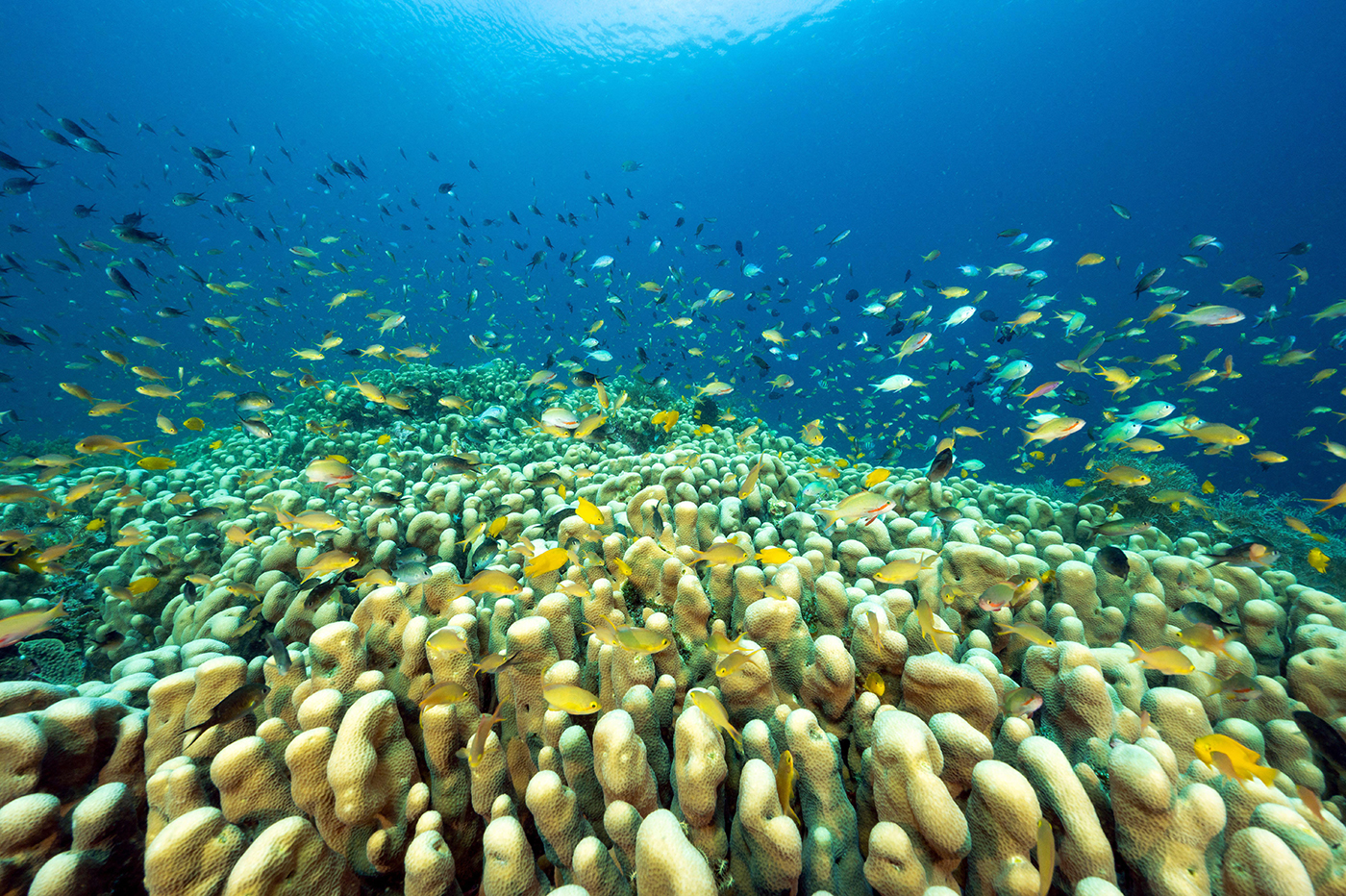
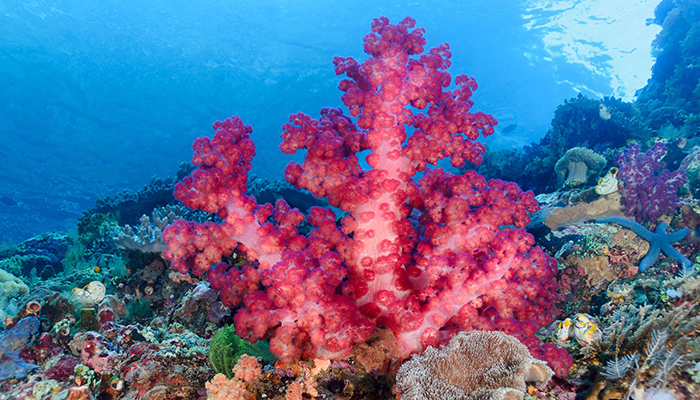
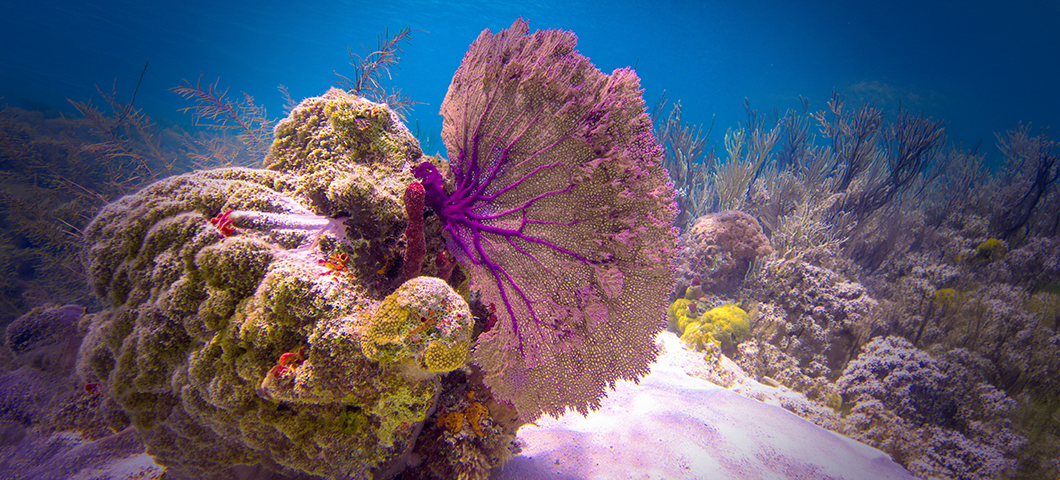
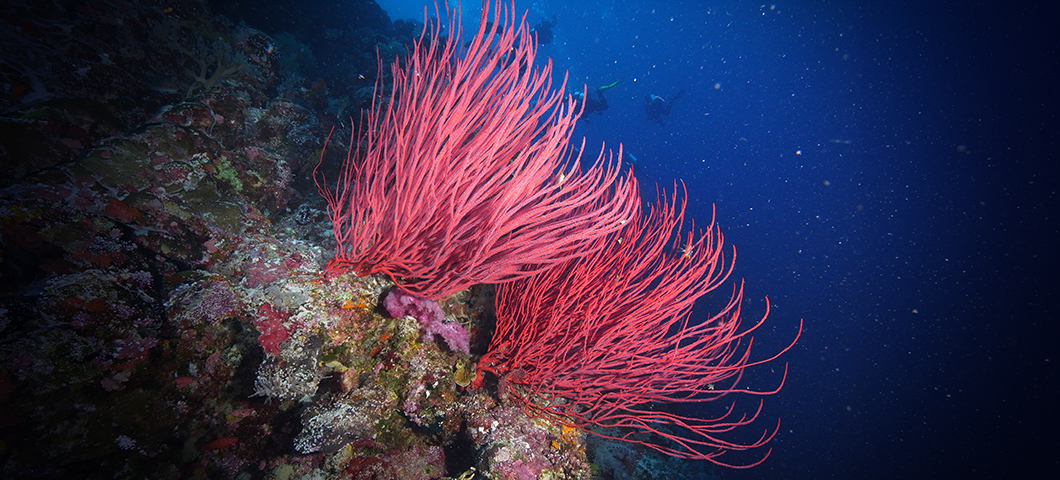
▲ Soft coral does not produce an exoskeleton. Instead, the polyps produce tiny calcium needles that support their body. These corals look like trees or fans that sway with the ocean currents. They feel squishy or rubbery to the touch. In general, soft corals are better able to live in cool or cold water than hard corals.
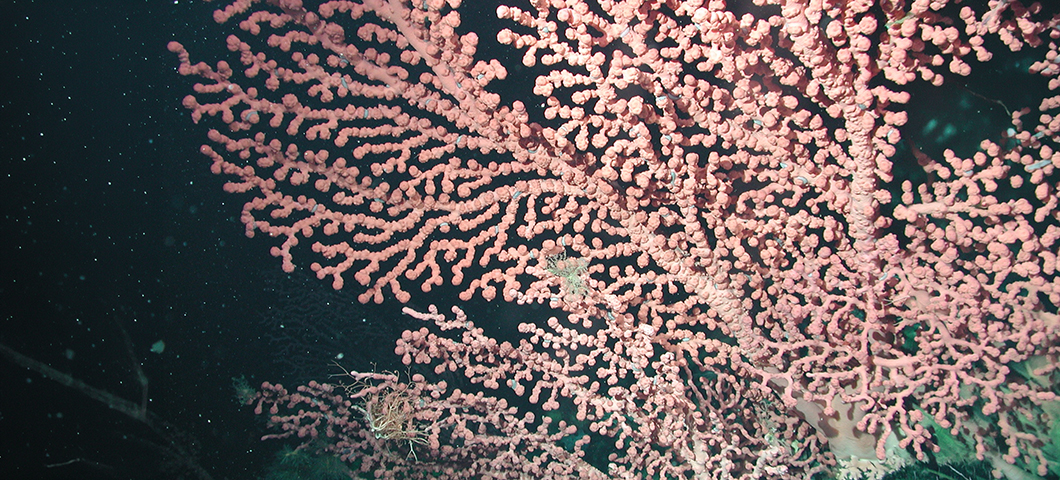
Deep-sea corals may live more than a mile below the water’s surface. They feed on bacteria and very tiny animals that flow with the ocean current. Most grow very slowly, an inch a year or even less. Some are more than a dozen feet tall and thousands of years old. ▶
Check It Out!
What is the Great Barrier Reef?
The Great Barrier Reef is off the coast of Australia. It’s so big it can be seen from space. The reef has over 9,000 different kinds of corals. It’s home to many animals, from dolphins to turtles to fish. As the water warms due to climate change, the coral dies. It turns white in a process called bleaching.
A Corral of Coral
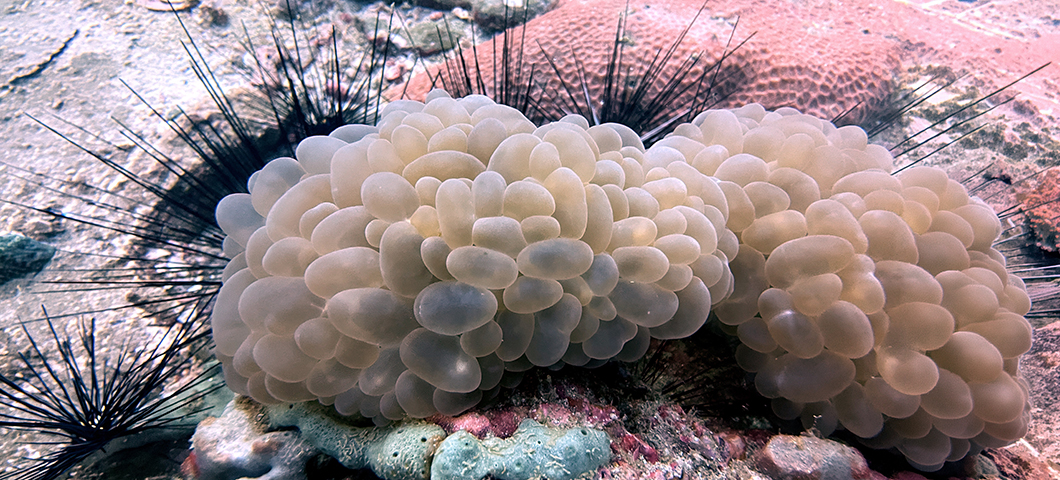
You might mistake these bubble corals for fish eggs. At night the bubbles shrink. Their tentacles stretch out and they look for food.
