
Free
Mail delivered by a letter carrier is sometimes called “snail mail.” Why is that? Cars stuck in a traffic jam are sometimes described as moving at a “snail’s pace.” Why?
Snails are among the slowest-moving animals on Earth. Those living on land move at about one and a half feet per hour. Those living in oceans and fresh water move a bit faster – some as fast as five feet per hour. Scientists have discovered over 60,000 different kinds of snails. They live on every continent – including Antarctica – and in all the oceans.
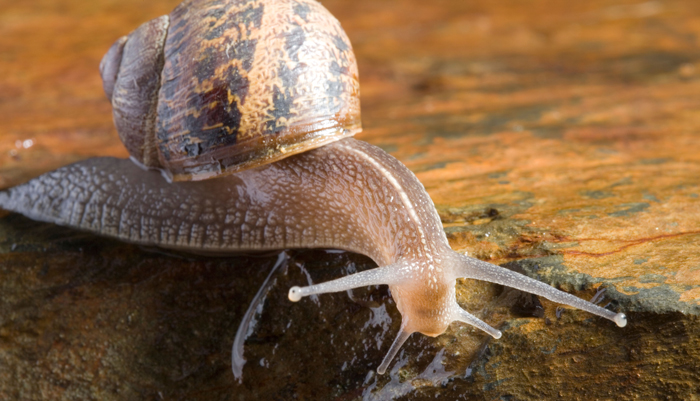
◀ Snails are born with a shell that grows as they grow. Their shell protects them from enemies and keeps them from drying out. Snails have two pair of feelers. The smaller pair often points toward the ground. It allows them to smell and feel their surroundings. Most snails have eyes on the tips of the larger pair. These sense light and motion.
Loading the player...
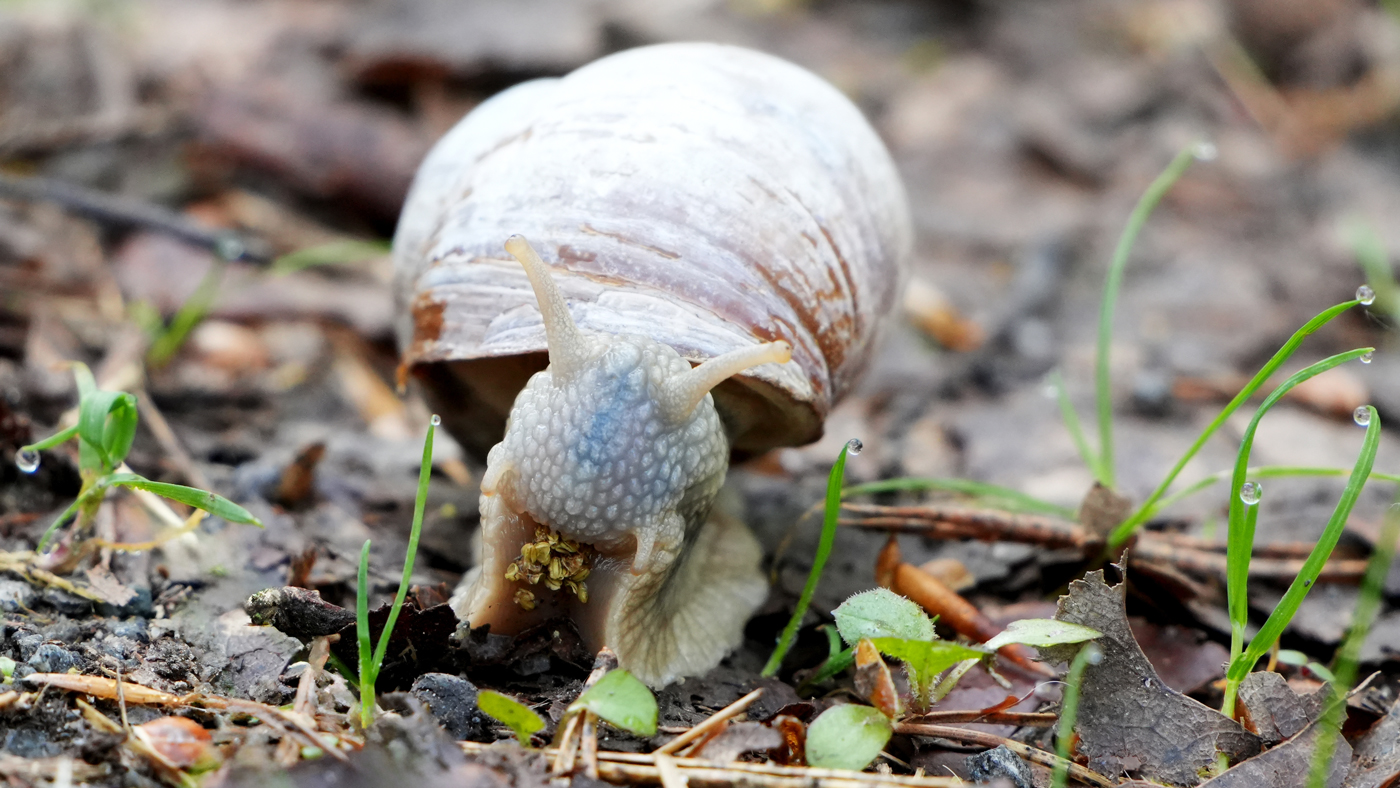
▲ Snails don’t have legs, but they do have a foot. Their foot is a muscle that contracts and relaxes. This allows them to move along a surface. The snails’ foot produces a mucus, or slippery material, which helps them move as easily on rock as it does on grass, soil, or bark.
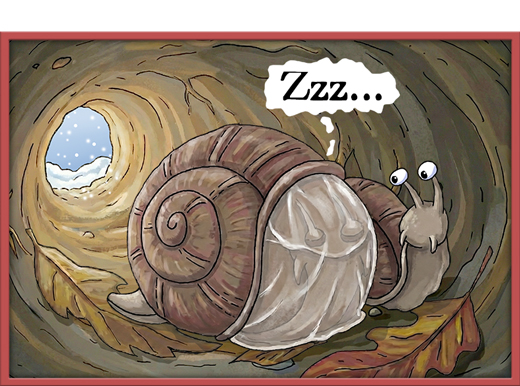
You may not see land snails during the winter. That’s because they’re hibernating. When weather gets cold, snails go into their shell and seal the opening with mucus. This keeps them from drying out. Desert snails do the same thing during extremely dry weather. They may stay in their shell for years waiting for “better days.” ▶
Check It Out!
How do snails breathe?
Land snails have lungs. Snails that live in fresh water and salt water have gills. Some have both gills and lungs. Certain snails also breathe through their skin. The apple snail is a land snail that spends lots of time in water. It uses a siphon, or straw, that extends out of the water’s surface to breathe.
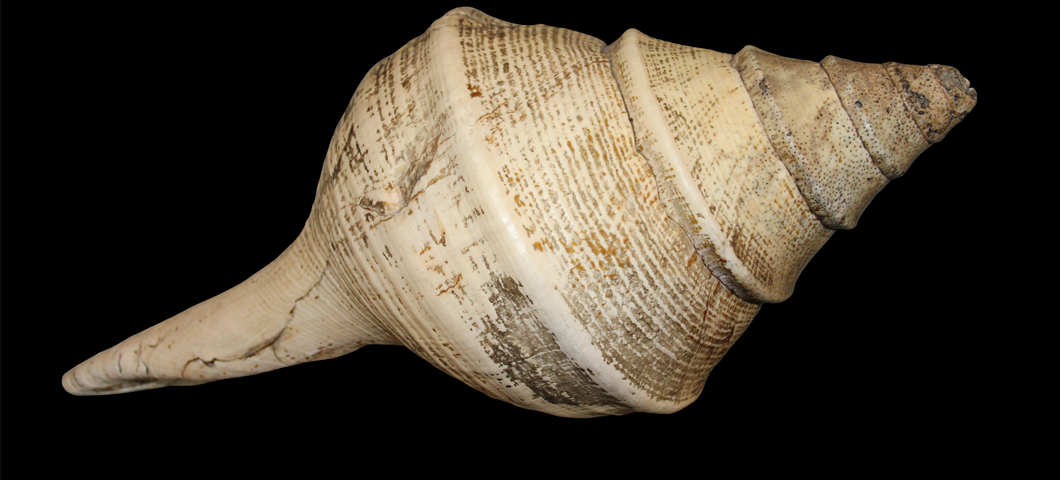
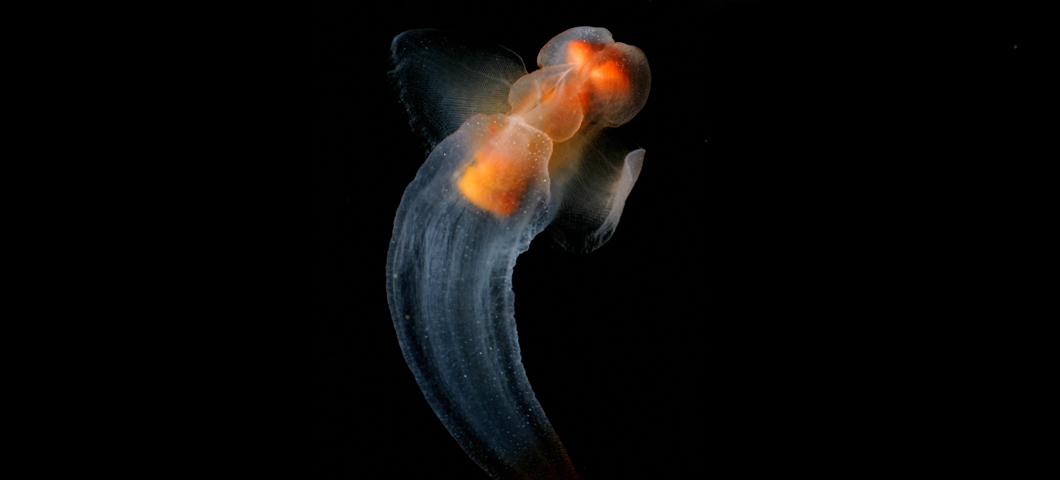
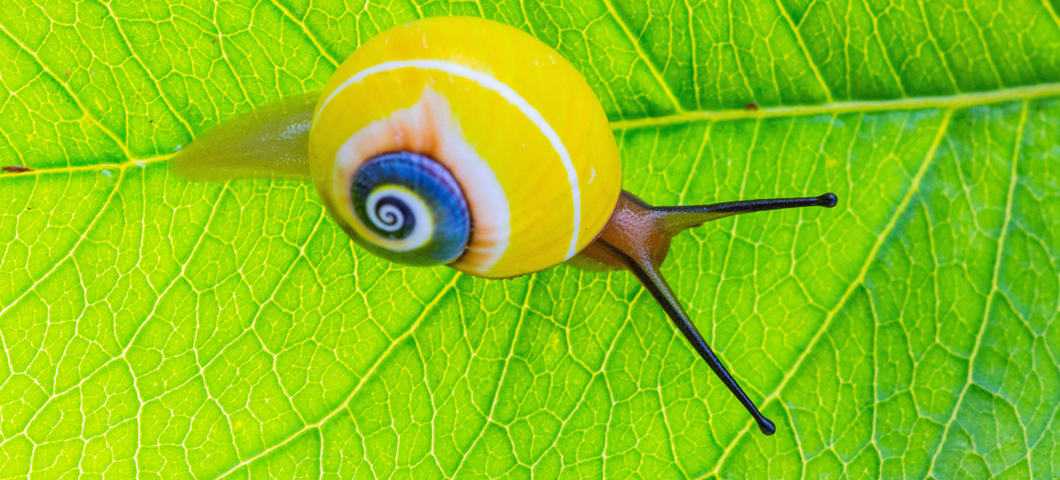
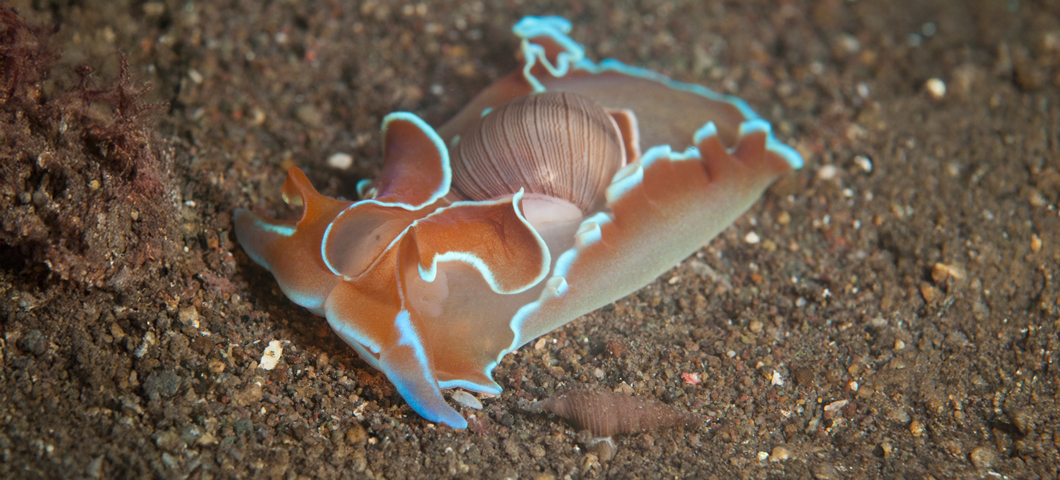
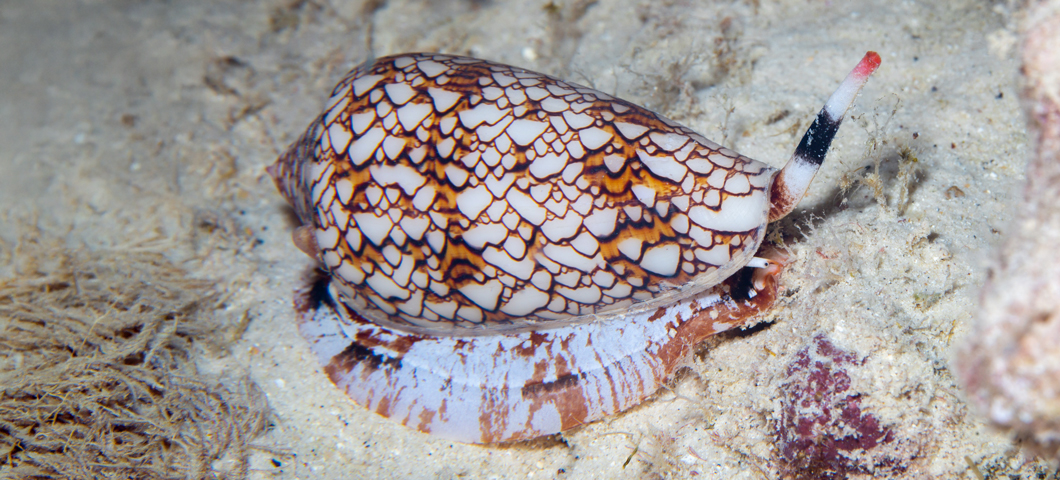
Showy Snails
The Australian trumpet snail is the biggest sea snail in the world. Its shell may grow to be three feet long. It may weigh up to 40 pounds.
