
Free
When you think of a fish, you probably picture a goldfish or even a trout. You’re not likely to picture a seahorse. Yet, seahorses are fish every bit as much as goldfish and trout.
Just like other fish, seahorses breathe with gills. They swim with the help of fins. And they have a swim bladder, or gas-filled bag, that allows them to float. They live in warm, shallow salt water. You can find them in coral reefs, hiding in seagrass, and among the roots of plants. Scientists have discovered more than 40 kinds of seahorses. But there may be more.
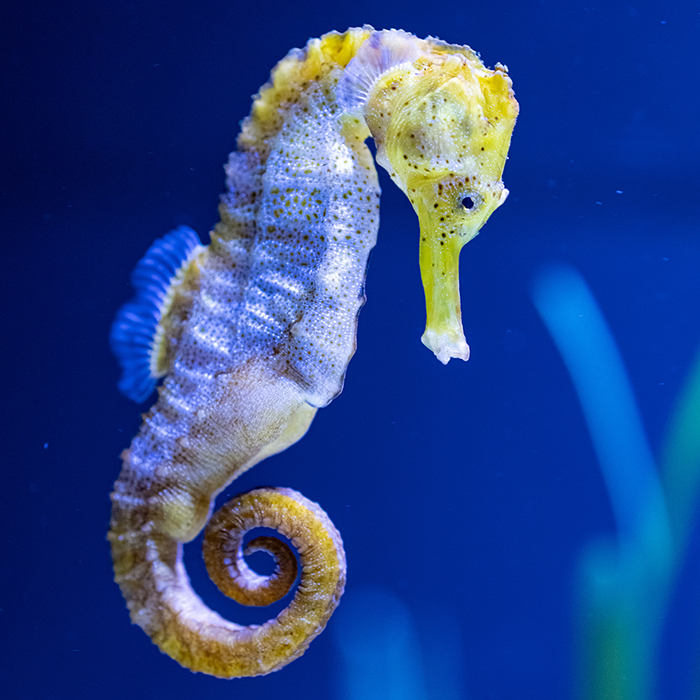
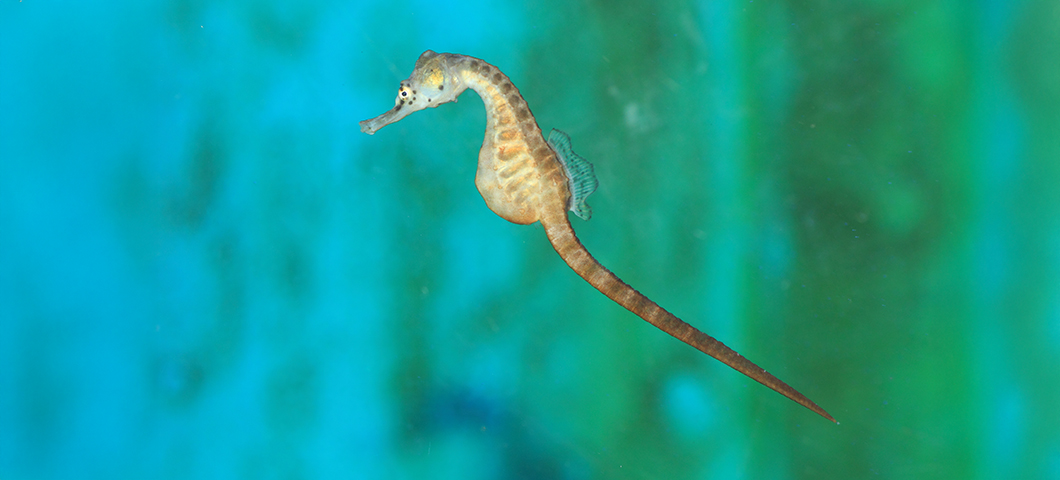
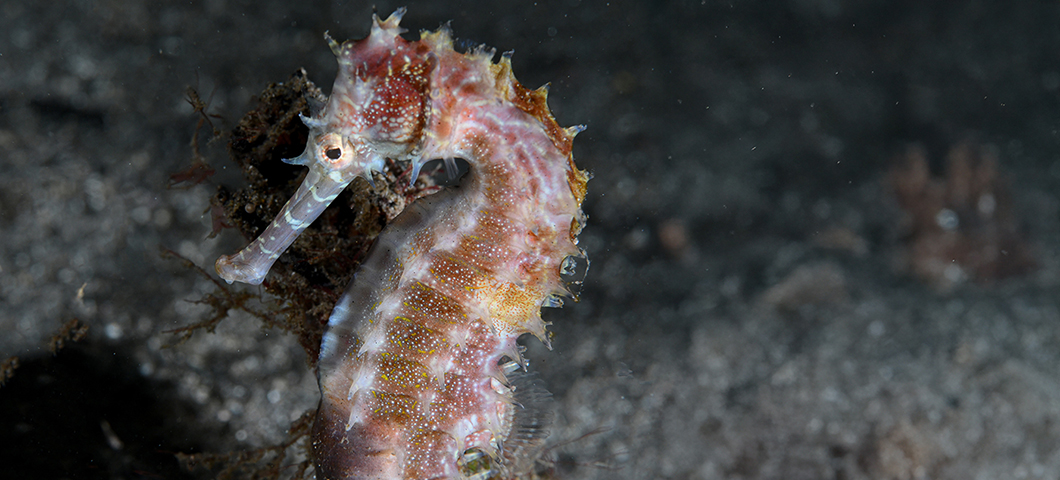
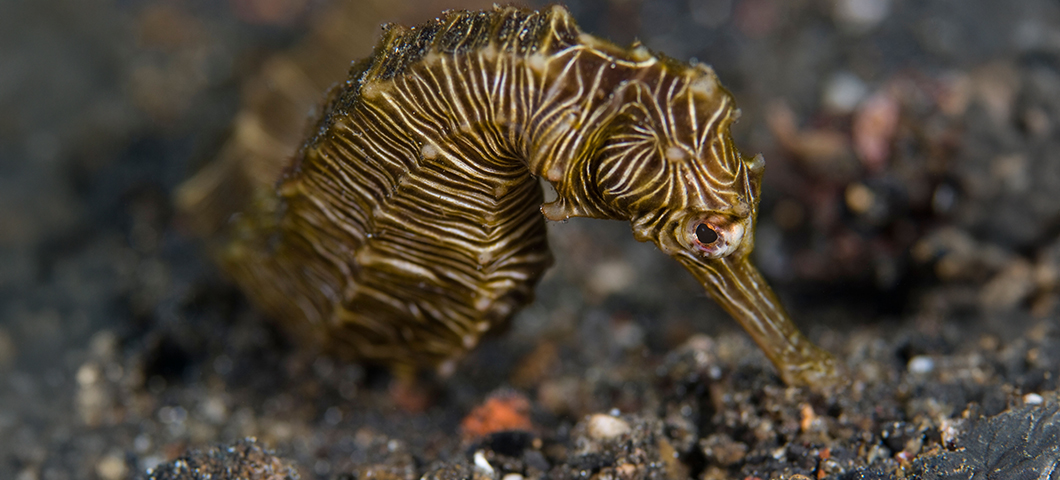
A seahorse has three fins. Two are on the sides of its head. One is on its back. Instead of scales like most fish, a seahorse has hard plates covering its body. A thin layer of skin covers the plates. Seahorses can look forward and backward at the same time! That’s because their eyes move independently. ▶
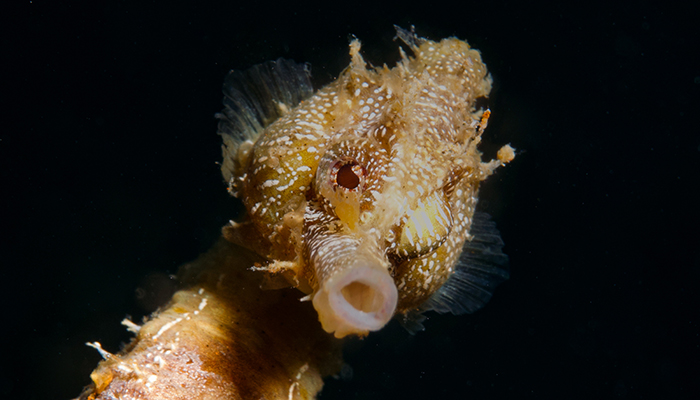
◀ Seahorses cannot chew, and they have no stomach. That means they have to digest food as they take it in. They use their long, thin snout like a straw. When they find a tiny shrimp or other food, they suck it in like a vacuum. Seahorses need to eat almost constantly – more than 30 times a day!
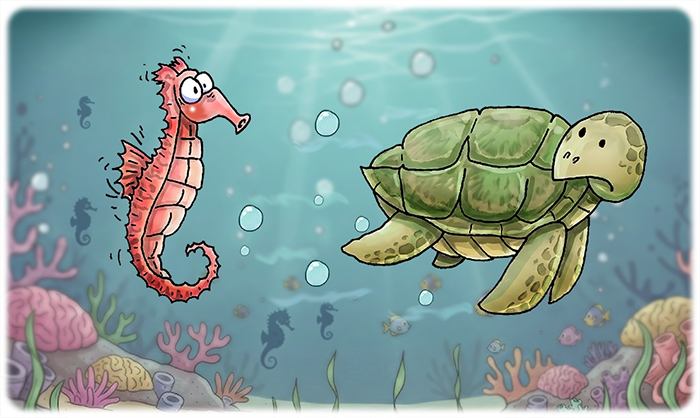
▲ Seahorses are poor swimmers. The tiny fin on their back beats up to 50 times per second to move them forward. The even tinier fins on the sides of their head help them turn right or left. The smallest seahorses can move only five feet in an hour. It’s no wonder they’re the slowest of all fish!
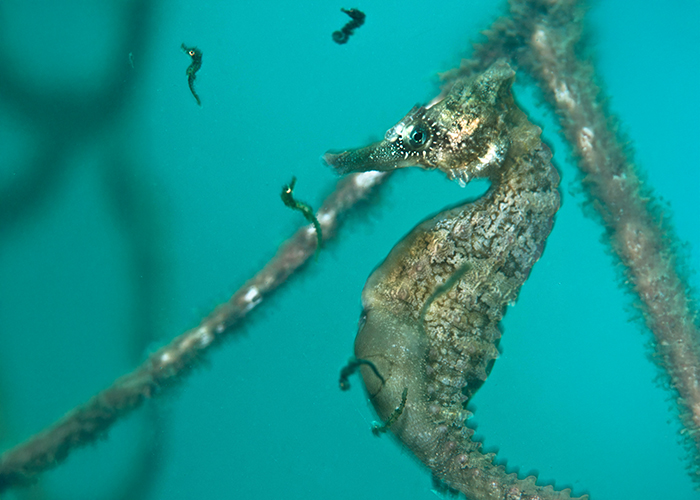
Unlike almost every other animal, male seahorses (not females) give birth. The female passes her eggs to a pouch in the male’s body. The male fertilizes the eggs and takes care of them until they hatch. The fry, or young, are ready to be born between 10 and 25 days later. ▶
Surprising Seahorses
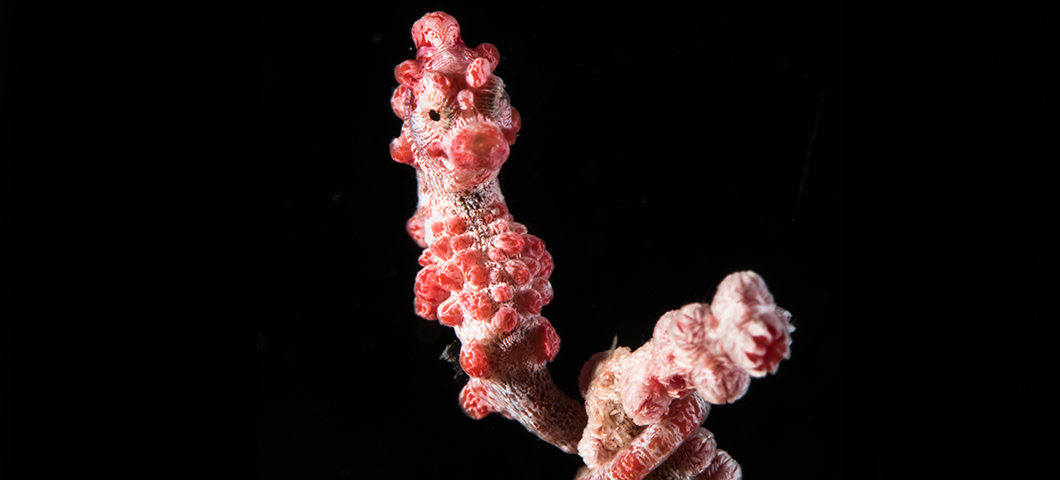
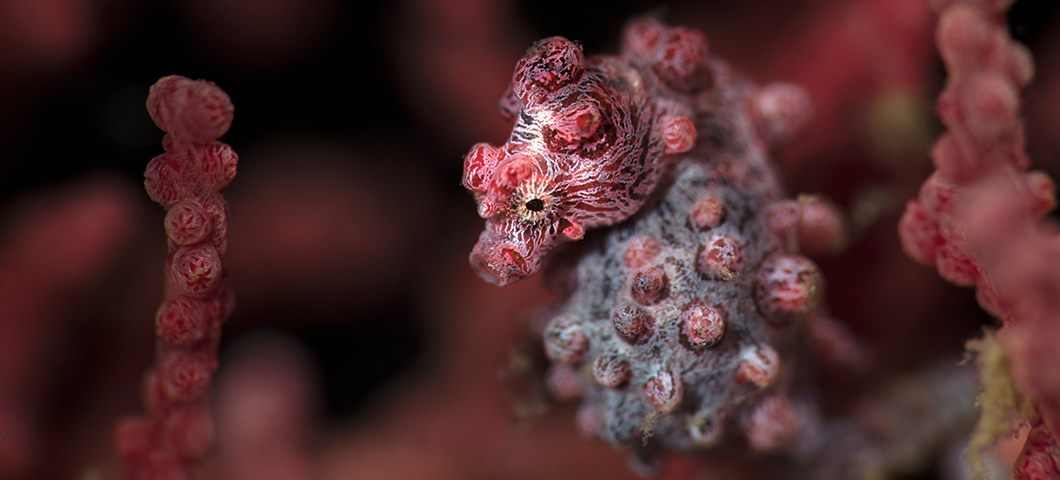
Smaller than a dime, the Satomi’s pygmy seahorse is the smallest of all. It may spend its whole life in an area the size of a dinner plate.
Check It Out!
What’s so special about a seahorse’s tail?
Seahorses can grab or wrap their tail around something and hold on. That something might be a blade of seagrass that helps anchor them in fast-moving water. Or helps them stay still while they slurp up a meal. Or it might be a piece of plant floating by that they hitchhike a ride with.
