
Free
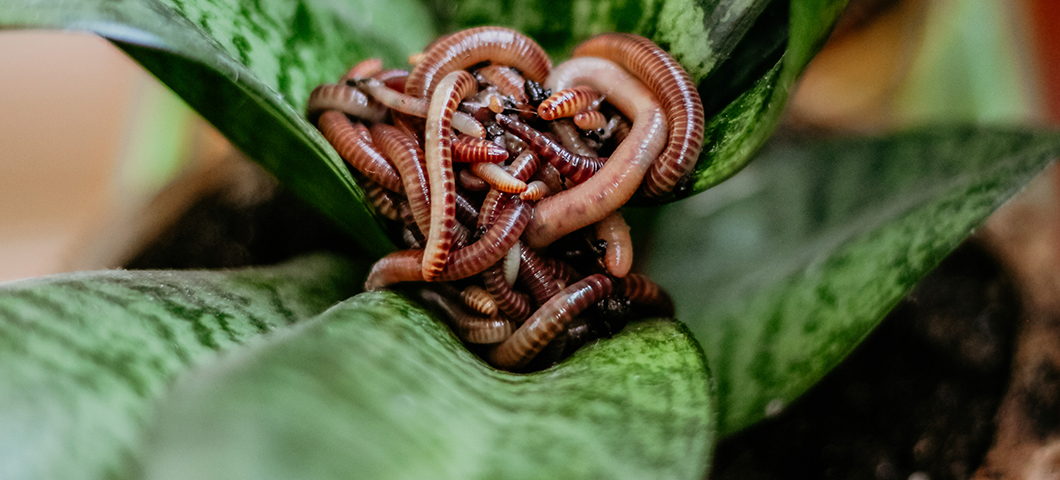
Whether you think they’re yucky or cool, earthworms take first place when it comes to helping keep soil rich. These slippery critters can be found inching through dirt on every continent except Antarctica.
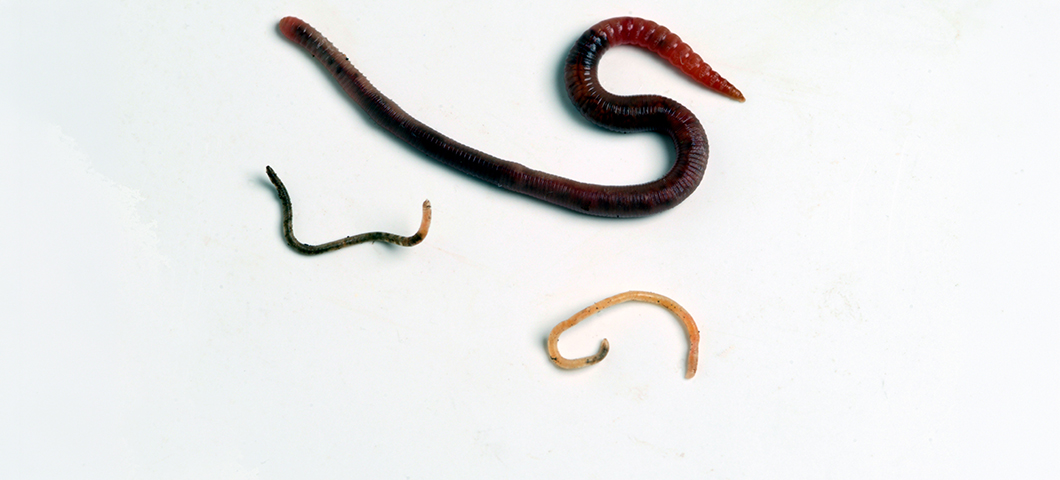
The thousands of different kinds of earthworms are different sizes. Some are little more than an inch long. The biggest may grow to be 12 feet long and weigh over a pound. Earthworms do well in warm, wet places. Some live on the surface of the soil where they feed on parts of plants. Others – like nightcrawlers – dig tunnels that may go down eight feet.
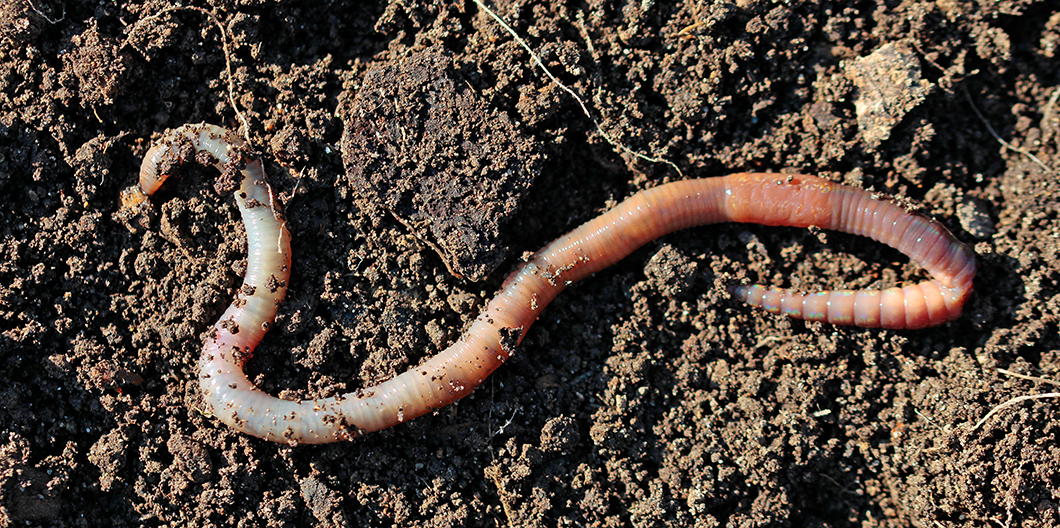
▲ An earthworm’s body is a tube within a tube. The outer tube is made up of ring-like segments containing muscles. At one end is the worm’s mouth. On most segments are small bristles called setae that allow the worm to grip the soil. The inner tube is a long digestive system.
Loading the player...
▲ Each muscle in an earthworm’s body can contract and relax on its own. To move forward, the worm stretches the muscles at the front of its body. At the same time, the setae at the rear grip the soil. Then the setae at the back relax, and the worm pulls its rear end toward the front. The result? Forward motion!
Earthworms are strong – an estimated 1,000 times stronger than people. They can push 10 times their body weight. That’s like a person pushing a polar bear out of the way. A young earthworm can push 500 times its body weight. That’s about the same as a person shoving a whale to the side. ▶

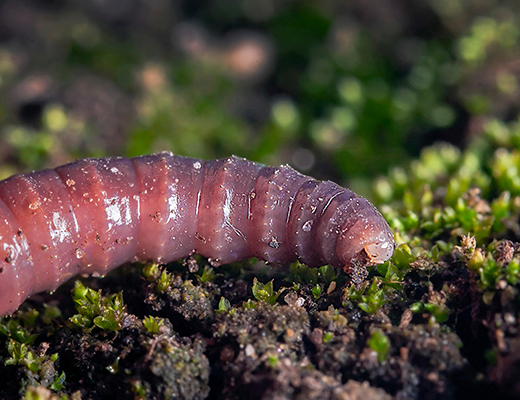
◀ Earthworms eat dead leaves, plant roots, and grass. They also eat bacteria, fungi, and other rotting plant material. Just above an earthworm’s mouth is a small bump that works like an upper lip. The worm uses it to suck food into its mouth. If the food isn’t already wet, it’s moistened and then swallowed.
Check It Out!
How do earthworms benefit soil?
Earthworms help make soil healthy. They move through soil by eating what’s in front of them and leaving tunnels behind. The tunnels allow air and water to get into the soil. Plus, their waste is a natural fertilizer for plants. Researchers have found that earthworms may help improve the growth of plants by 25 percent.
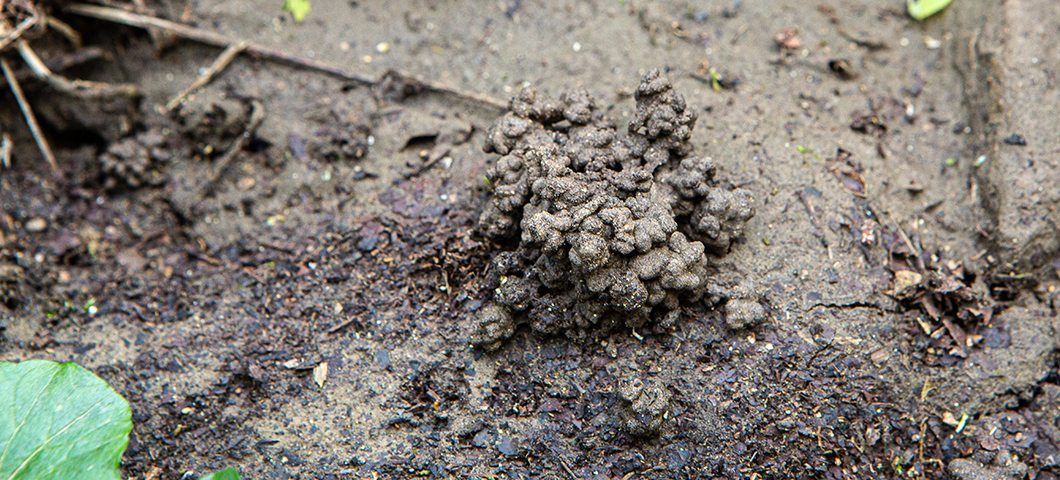
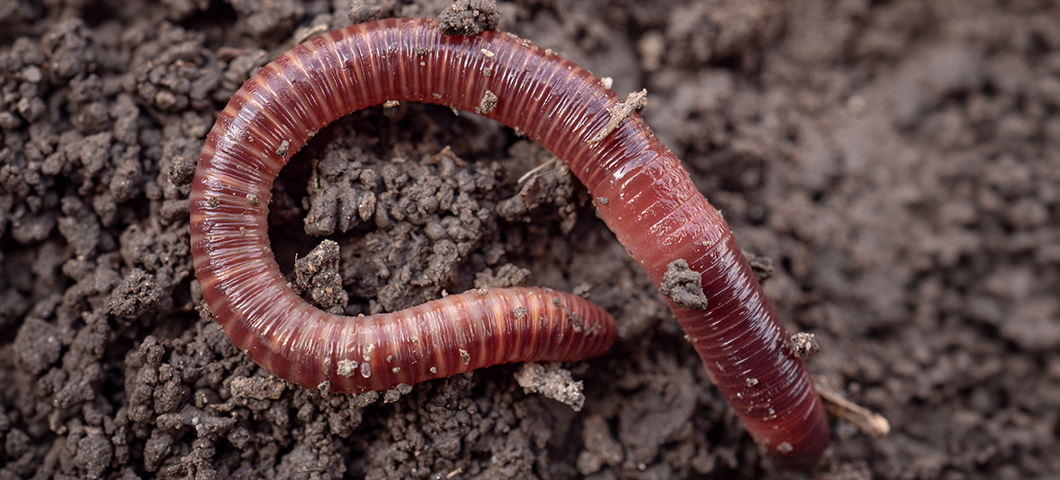
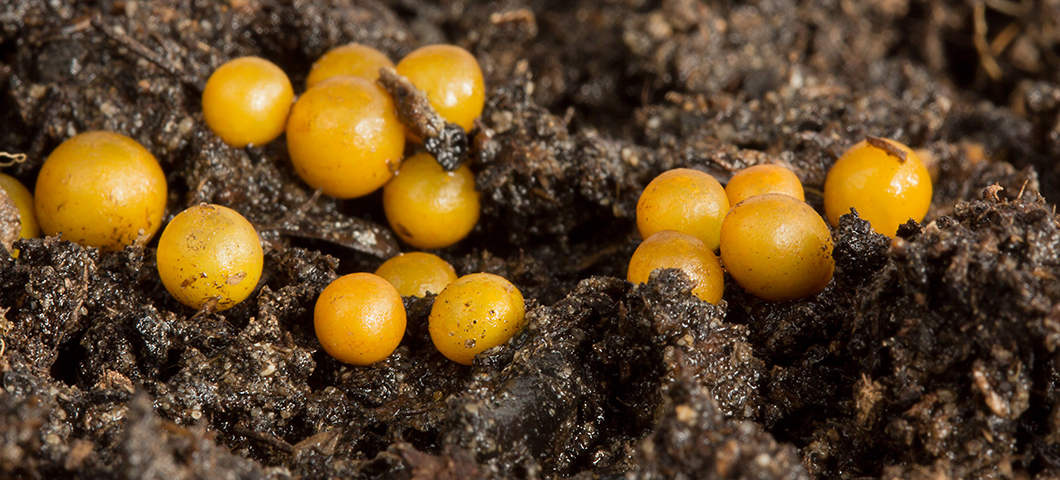
Middens are piles of waste earthworms leave behind at the entrance to their tunnels. They’re packed with nutrients and the good kind of bacteria.
